


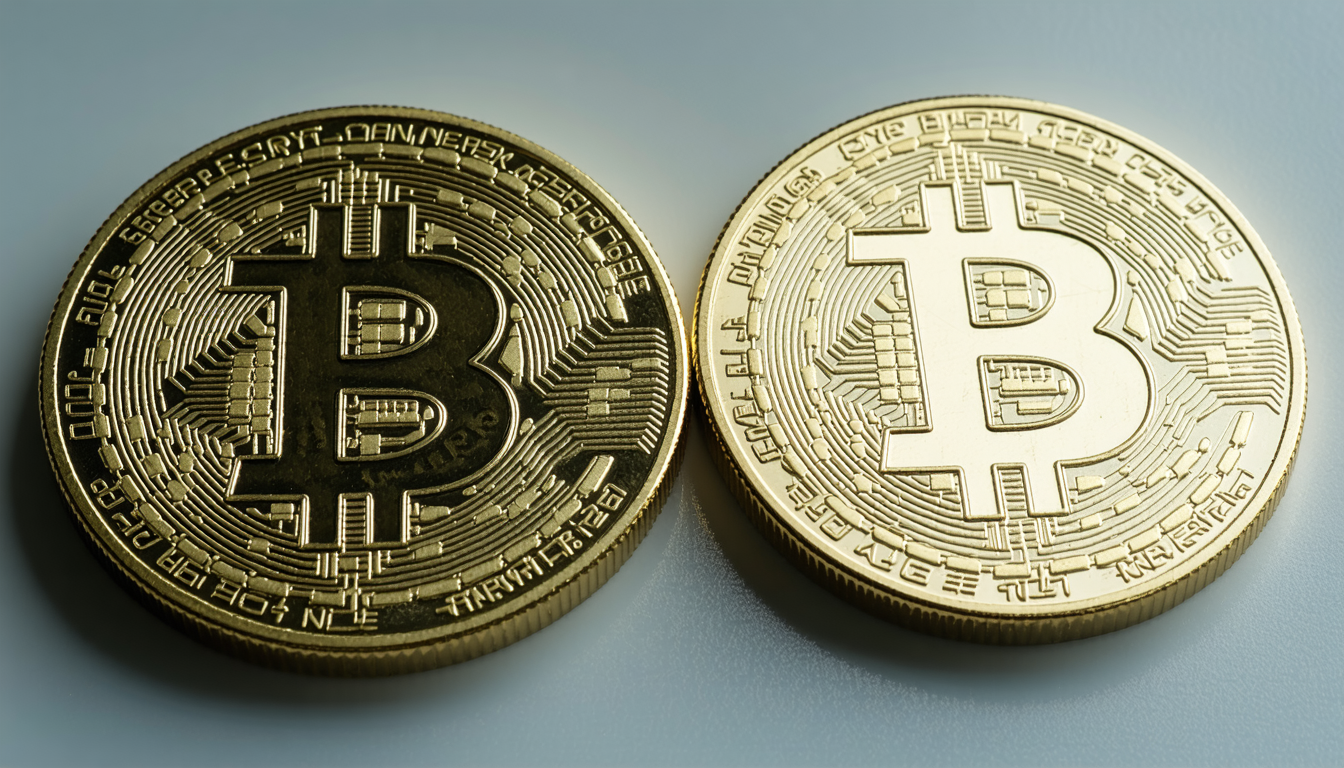
Pi Coin, the native token of the burgeoning Pi Network, continues to spark both intrigue and debate across crypto communities. What began as a highly touted blockchain experiment striving for mainstream adoption has yet to secure a stable market foothold. Despite an exuberant base of millions of users, Pi Coin’s price remains volatile, buffeted by token unlock schedules, liquidity concerns, and forecasting models that swing wildly from skeptical to sky-high. Let’s untangle the latest developments, examine diverging forecasts, and explore what might lie ahead for Pi Coin.
Current Market Pulse: Supply Pressures and Liquidity Woes
Pi Coin’s price has drifted perilously close to its October 2025 lows, with recent trading hovering around $0.19. The slide is largely attributed to persistent oversupply—over 4.6 million PI tokens are unlocked daily, saturating the market with minimal accompanying demand . Coupled with reduced trading volume—estimated at around $28 million daily—and delayed listings on major exchanges, investor sentiment remains tepid .
Moreover, structural challenges persist: tokenomics lack deflationary mechanisms such as burning, distribution timelines remain opaque, and absence from top-tier exchanges continues to limit liquidity and visibility . In this environment, the prospect of sustained upward momentum seems remote—unless meaningful changes arrive soon.
Diverging Price Forecasts: From Modest to Moonshot
Price predictions for Pi Coin span a staggering range, underscoring both the token’s speculative nature and the varied assumptions behind each analysis.
Conservative & Moderate Scenarios
According to CoinLore’s model, Pi Coin may reach around $4.33 by the end of 2026—a bold yet not absurd target if adoption picks up and supply stabilizes . DigitalCoinPrice offers a more modest outlook, projecting an average price of approximately $0.21 in early 2026—reflecting only incremental growth . Similarly, CoinCodex estimates an annual average near $0.17, with potential highs up to $0.44 . CryptoDisrupt follows suit—forecasting Pi Coin to average around $0.35 through 2026, with limited upside .
Bullish Scenarios
On the bullish end, CoinStats anticipates Pi could range between $0.85 and $3.50, with an average near $2.25 for 2026 . Further bullish forecasts from Rivarly suggest Q1 2026 could see Pi climb to around $3.70 and potentially peak near $3.80—assuming a return of positive market sentiment . Ainvest outlines a dramatic brief rally: estimates include a potential April 2026 surge to an average of $0.87 and a high of $1.30, before stabilizing around $1 into mid-year .
Hyper-Bullish & Speculative Outlooks
At the extreme end, DigitalCoinPrice’s long-term model suggests Pi could climb into the hundreds by 2030, even forecasting up to $119 in 2026 and $264 by 2030 . Reddit posts have floated jaw-dropping figures—ranging from $60 to $280 by 2026, and even $1,425 to over $3,400 in decades ahead, though pitched explicitly as speculative . A media report once evoked potential returns of over 146,000%, suggesting Pi might reach $500–$1,000 by 2030—but with caveats about uncertainties and execution risks .
“Analysts remain optimistic about Pi’s long-term prospects, but such extreme predictions hinge on global adoption and ecosystem execution.” — Industry commentator
Why Predictions Diverge So Widely
At the heart of conflicting forecasts lie assumptions around several variables:
- Token Supply Dynamics: Daily unlocks fuel near-term sell pressure unless offset by strong demand .
- Adoption & Utility Growth: Without real-world usage or dApp integration, Pi risks being seen as speculative novelty.
- Exchange Listings: Access to major exchanges could boost liquidity and price discovery; current absence is a hindrance .
- Sentiment and Market Cycles: Broader crypto sentiment—bull or bear—will significantly sway pricing, especially for fringe tokens.
- Forecast Models: Technical models often extrapolate patterns without accounting for fundamental weaknesses.
These variables introduce huge uncertainty. Conservative models lean on low adoption and slow growth; bullish ones envision breakout adoption and structural changes; hyper-bull forecasts assume rare execution success and full ecosystem uptake.
Toward a Balanced View: What to Watch in 2026
Despite the volatility, there are a few indicators that could mark a turning point:
- Supply Exhaustion or Burn Mechanisms: Introducing deflationary controls could alleviate selling pressure.
- Exchange Listings: Confirmation of Pi being listed on major exchanges like Binance or Coinbase could reignite interest.
- Ecosystem Growth: Real-world use cases, dApps, or partnerships would bolster utility credibility.
- Market Recovery: A broader altcoin rally or renewed risk appetite in crypto could spark rallies temporarily.
Even modest improvements across these areas could shift Pi from price drift to targeted breakout—though success is far from guaranteed.
Conclusion
Pi Coin remains a paradox in crypto: brimming with community passion and promise, yet tethered by supply oversaturation, weak liquidity, and uncertain fundamentals. Forecasts swing from cautious to fantastical—notably, some predict modest growth into the dollars, while others see astronomical gains. Realistically, Pi’s trajectory hinges on tangible progress in adoption, listing access, and tokenomics. Short-term watchers might eye Q2 2026 for potential action, but long-term believers should demand structural change before placing serious bets.
FAQs
What’s causing Pi Coin’s low price now?
Oversupply from daily token unlocks, limited liquidity, and delayed major exchange listings are compressing demand and stalling price momentum.
Are bullish forecasts like $4–$119 realistic?
They’re contingent on aggressive adoption, ecosystem growth, and structural reform. Without these, such forecasts remain optimistic but not impossible.
When might Pi Coin see a breakout?
Forecasts hint at possible breakouts around Q1–Q2 2026, especially if exchange listings and broader crypto sentiment improve.
Could Pi Coin ever reach $1 or higher?
Yes—but only under bullish scenarios with strong adoption and reduced sell pressure. Models suggest it’s possible, albeit not the baseline expectation.
Should investors trust Pi Coin predictions?
Treat forecasts as illustrative rather than definitive. Many models omit real-world constraints—cautious judgment and ongoing monitoring are essential.
What could most influence Pi’s future price?
New exchange listings, ecosystem development, tokenomics reform (like burn mechanisms), and macro crypto market cycles will play pivotal roles.




















Leave a comment