


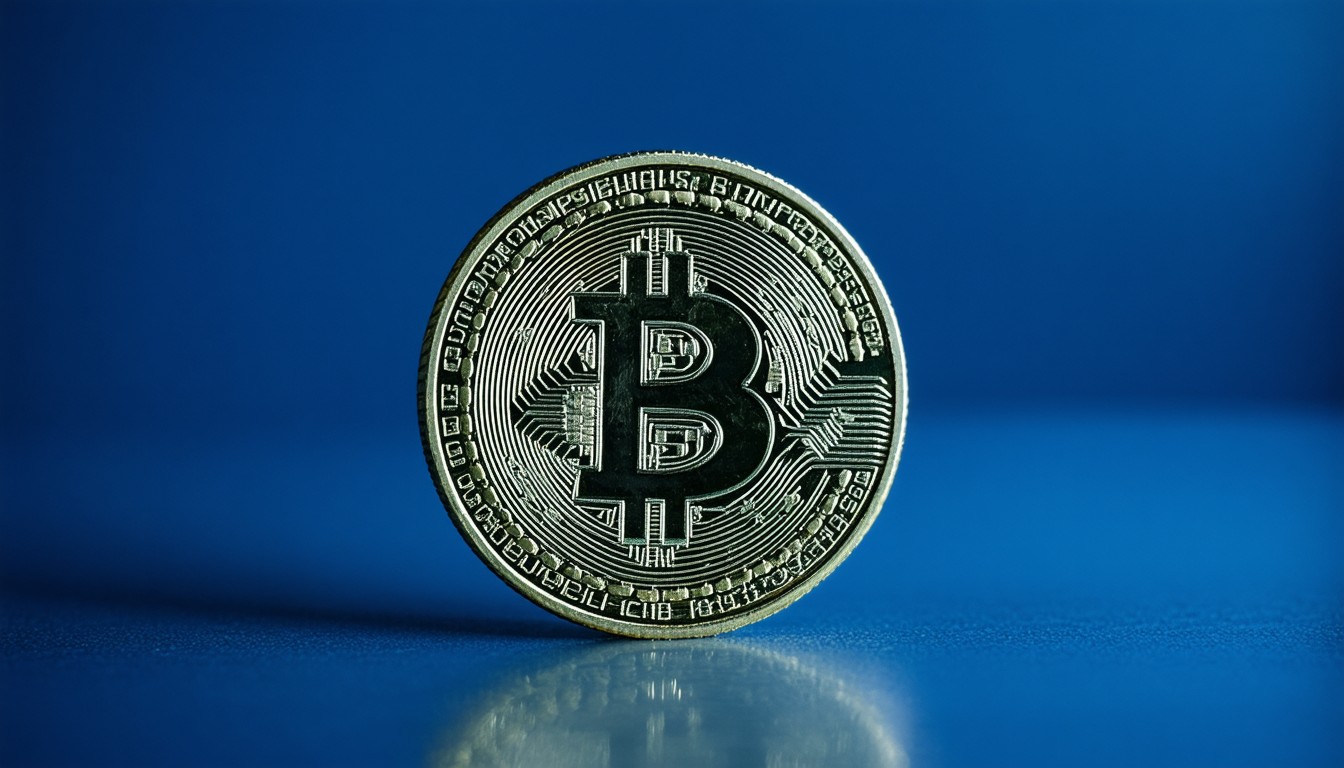
Once considered the domain of technologists and libertarians, Bitcoin has evolved into a global financial phenomenon. Its emergence in 2009, engineered by the enigmatic Satoshi Nakamoto, challenged conventional ideas about money, value, and trust. Today, Bitcoin consistently features in financial headlines, drawing attention from institutional investors, regulators, and everyday users alike. As debates about its legitimacy, volatility, and utility persist, a clear understanding of what Bitcoin is, how it works, and the value it provides is essential for anyone navigating the modern digital landscape.
What Is Bitcoin? A Digital Currency Definition
Bitcoin is a decentralized, peer-to-peer digital currency designed to operate outside the control of traditional banks or governments. Unlike conventional currencies, which depend on central authorities for issuance and validation, Bitcoin uses a distributed ledger called the blockchain. This ledger records every transaction across a network of thousands of computers, preventing fraud and double-spending.
The total number of bitcoins is capped at 21 million, a feature built into the code. This artificial scarcity echoes commodities like gold, giving Bitcoin deflationary characteristics and unique appeal as “digital gold.” Users can transfer bitcoin directly to one another online, making it both a store of value and a medium of exchange.
Key Features of Bitcoin
- Decentralization: No single authority controls Bitcoin; its network is maintained by participants globally.
- Immutability: Transactions can’t be altered or reversed once confirmed on the blockchain.
- Transparency: The blockchain is public, allowing anyone to verify transactions.
How Bitcoin Works: Blockchain, Mining, and Security
Understanding how Bitcoin functions requires unpacking a few fundamental components: blockchain technology, mining, and cryptographic security.
Blockchain Technology
At its core, Bitcoin relies on blockchain, a chain of blocks containing a list of transactions. Each block links to the previous one via cryptographic hashes, forming a secure ledger that all network members share. When someone initiates a transaction, it’s broadcast to the network, waiting to be grouped with others into a new block.
Mining and Consensus
New blocks are added to the chain through a process called mining. Miners—specialized computers running complex algorithms—compete to solve cryptographic puzzles. The winner adds the new block to the blockchain and receives a reward in bitcoin. This process secures the network and creates a fair, transparent mechanism for issuing new coins.
“Bitcoin’s mining and consensus mechanisms have not only enabled a trustless transfer of value but revolutionized the very idea of digital scarcity,” says Dr. Linda Zhao, professor of cryptography at Stanford University.
Security Through Cryptography
Every transaction on the Bitcoin network is signed with cryptographic keys—a public key (visible to all) and a private key (known only to the owner). This dual-key system ensures that only the rightful owner can initiate a transfer, providing strong security and user control.
Key Benefits of Bitcoin
Bitcoin’s rapid rise hasn’t been without controversy, but its core benefits explain much of the enthusiasm and adoption among individuals and institutions.
Financial Sovereignty and Access
Bitcoin empowers users to control their own money without intermediaries. This aspect is especially compelling in regions where banks are unreliable, currency instability is rampant, or access to traditional financial systems is limited. For many, Bitcoin represents economic agency and financial inclusion.
Censorship Resistance and Privacy
Transactions on the Bitcoin network resist censorship: no entity can unilaterally block or reverse them. While the blockchain itself is public and transparent, users’ identities remain pseudonymous, creating a balance between accountability and privacy. High-profile events—such as fundraising in restrictive regimes or remittances by expatriates—have demonstrated Bitcoin’s unique role as a cross-border tool.
Inflation Hedge and Portfolio Diversification
Investors increasingly consider Bitcoin as a hedge against currency inflation, likening its capped supply to precious metals. Several studies and real-world market trends show that during periods of high inflation and economic uncertainty, interest in bitcoin as a “safe haven” asset spikes. Major companies, such as Tesla and MicroStrategy, have added large bitcoin holdings to their balance sheets, citing its potential for returns uncorrelated to traditional markets.
Borderless, Fast Transactions
Beyond investment, Bitcoin allows for fast, secure, and relatively low-cost cross-border payments. Traditional remittance systems can take days and involve high fees; Bitcoin transactions often settle in minutes and generally cost less, depending on network activity.
Bitcoin in the Real World: Adoption, Regulation, and Challenges
Bitcoin usage has grown from obscure forums to mainstream platforms. Payment processors, online retailers, and even some physical stores accept bitcoin. The cryptocurrency economy now includes lending, trading, and decentralized finance (DeFi) projects—all based on the Bitcoin network or inspired by its principles.
Global Adoption Trends
Countries vary widely in their approach to Bitcoin. Some, like El Salvador, have adopted it as legal tender, integrating it into everyday commerce and enabling wallets for the unbanked. In contrast, others maintain strict controls, citing concerns about illicit finance and consumer protection.
Regulation and Institutional Interest
Regulatory clarity remains fundamental to broader adoption. In the United States, the approval of bitcoin ETFs has opened the door to more traditional investment vehicles, while ongoing debates focus on taxation, anti-money laundering, and consumer rights. The rise of custodial services and insurance options demonstrates that the ecosystem is maturing to accommodate institutional players.
Ongoing Risks and Volatility
Despite its promise, Bitcoin comes with challenges—most notably, price volatility. Sharp price swings can wipe out or multiply fortunes, posing risks to individuals and businesses. Additionally, lost or compromised private keys can mean permanent loss of funds. On the technical side, attacks on exchanges and evolving regulatory scrutiny highlight the need for ongoing vigilance.
Conclusion: The Future of Bitcoin
Bitcoin has redefined how people think about money, trust, and digital ownership. Its core innovation—providing decentralized, secure, and global transfers of value—continues to influence both financial markets and regulatory discourse worldwide. While challenges around volatility, regulation, and accessibility persist, the trajectory of Bitcoin suggests it will remain a cornerstone of the digital finance conversation for years to come. For users, investors, and observers, staying informed and weighing risks alongside potential rewards is key to navigating the Bitcoin era.
FAQs
What is Bitcoin and how does it differ from traditional currency?
Bitcoin is a decentralized digital currency that operates without government or central bank oversight. Unlike traditional currencies, it is based on blockchain technology and has a fixed supply.
How does Bitcoin maintain security and prevent fraud?
Bitcoin uses blockchain, cryptographic keys, and a decentralized network of computers (miners) to validate and record transactions, making fraud and double-spending nearly impossible.
Can Bitcoin transactions be reversed or traced?
Bitcoin transactions are irreversible once confirmed on the blockchain. While transactions are publicly visible, users’ real identities are masked by cryptographic addresses.
Why is Bitcoin considered volatile?
Bitcoin’s price is influenced by market demand, investor sentiment, and global events. This can lead to rapid price swings, making it more volatile than many traditional assets.
Is Bitcoin legal and regulated?
Legality varies by country. In many regions, Bitcoin is legal but subject to taxation and regulatory guidelines. Some countries restrict or ban its use outright.
How can someone acquire and store Bitcoin securely?
Bitcoin can be purchased on cryptocurrency exchanges and stored in digital wallets, which may be software-based or hardware devices. Safeguarding private keys is essential to protect against loss or theft.





















Leave a comment