


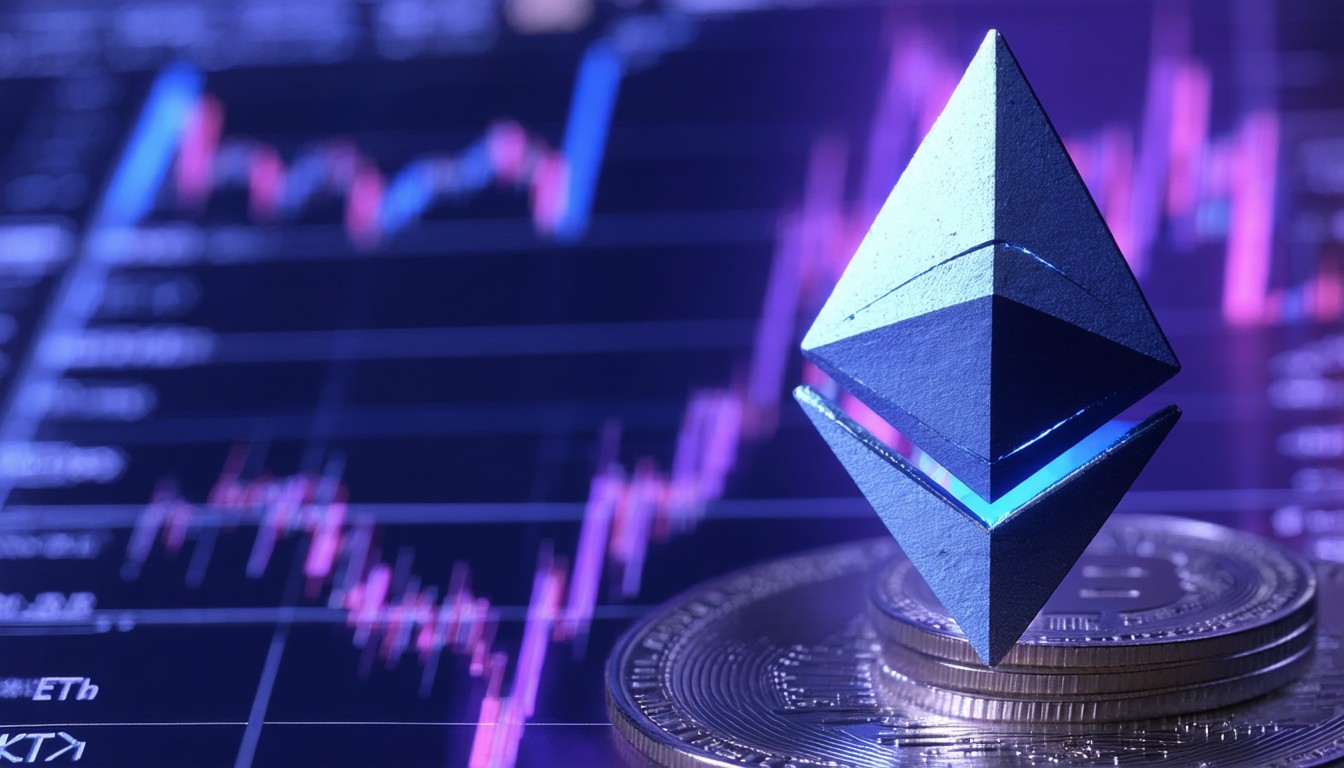
Ethereum, commonly known by its token ticker ETH, is not just another cryptocurrency—it stands at the center of the decentralized finance (DeFi) revolution, powering thousands of applications and serving as the backbone for smart contracts and NFTs. Since its 2015 launch, ETH has grown from an experimental project into a multi-billion-dollar digital asset, attracting institutional investors, developers, and mainstream media coverage alike.
Amidst volatile market cycles, regulatory debates, and relentless technological evolution, ETH consistently commands investor attention. This guide synthesizes the most relevant ETH price updates, expert analysis, and actionable trends shaping Ethereum’s future.
ETH Price: Recent Trends and Live Market Dynamics
The price of ETH has historically exhibited considerable volatility, shifting in response to macroeconomic events, network upgrades, and investor sentiment. After reaching all-time highs above $4,000 in 2021, ETH has weathered sharp corrections, much like the broader cryptocurrency market.
Factors Impacting ETH Price Movements
Several elements contribute to ETH’s ongoing price dynamics:
- Network Upgrades: Events like the “Merge” in 2022, which transitioned Ethereum from proof-of-work (PoW) to the energy-efficient proof-of-stake (PoS) consensus, triggered substantial price movements and speculation.
- Adoption Trends: Increasing DeFi usage, NFT marketplace growth, and enterprise blockchain adoption often correlate with surges in ETH demand.
- Competitive Pressures: The rise of “Ethereum killers” such as Solana and Avalanche has introduced new challenges but has not meaningfully displaced ETH’s dominance.
Market sentiment also reacts to congestion or high gas fees, which can prompt temporary migrations to other chains but often return as Ethereum resolves scaling issues.
Ethereum News: Key Developments Reshaping the Ecosystem
ETH’s relevance is continually underscored by developments within and outside the blockchain space. Regulatory announcements, ecosystem partnerships, and technical upgrades regularly headline crypto news outlets.
Major News Events in 2023–2024
- Implementation of Ethereum Improvement Proposals (EIPs): Especially EIP-4844, aimed at reducing transaction fees and boosting scalability.
- Staking and Withdrawals: The Shanghai hard fork enabled users to withdraw staked ETH, affecting liquidity flows and staking participation rates.
- Regulatory Clarity: Regional progress in cryptocurrency regulations—especially from the U.S. SEC and European Union—directly impacts ETH’s global acceptance and institutional investment appetite.
- Enterprise Integrations: Major companies like Visa and JPMorgan have piloted payment and settlement solutions on Ethereum, signaling wider adoption.
“Ethereum’s evolution is defined by its relentless focus on scalability and usability. The ecosystem’s ability to implement major upgrades without fracturing community trust is a testament to its foundational strength.”
Technical Analysis: Interpreting ETH Price Patterns
Assessing ETH’s price action requires a multi-layered approach, blending on-chain data, traditional technical indicators, and context from the broader digital asset market.
Key Technical Indicators for ETH
- Moving Averages (MA): Traders frequently analyze ETH’s 50-day and 200-day moving averages to spot bullish or bearish momentum.
- Relative Strength Index (RSI): Overbought or oversold readings on the RSI often precede shifts in short-term price direction.
- On-Chain Metrics: Rising active address count and transaction volumes generally correlate with positive price outlooks, indicating growing demand and network activity.
In recent months, ETH’s support and resistance levels have clustered near psychologically significant price points. Periods of consolidation often precede major moves, especially in response to network upgrades or global economic developments.
Real-World Example: The Impact of the Merge
During the run-up to the Merge, ETH saw increased volatility as traders positioned around the event. In the weeks following the successful upgrade, analysts noted a stabilization in ETH’s price, attributed to improved energy efficiency and anticipated scalability. This event marked a rare instance where a major technical milestone became a catalyst for both price and sentiment stabilization.
Live ETH Updates: Tools and Resources for Real-Time Monitoring
Staying informed about ETH’s price and ecosystem events is crucial for investors, developers, and enthusiasts. Today, an array of platforms provide accurate, up-to-the-minute data:
- Price Trackers: CoinMarketCap, CoinGecko, and Binance offer live ETH pricing, trading volumes, and historical charts.
- On-chain Analytics: Glassnode and Etherscan deliver real-time metrics on ETH supply, staking rates, and transaction trends.
- News Feeds: Outlets like The Block, CoinDesk, and Decrypt report on market-moving developments and regulatory news as it happens.
Many investors also leverage automated trading signals and on-chain alerts to react quickly in volatile markets, a testament to the increasing sophistication of Ethereum’s user base.
Strategic Context: Where Is ETH Headed Next?
Beyond its current use cases and price movements, ETH’s long-term trajectory will be shaped by several megatrends:
- Scalability Solutions: Layer 2 networks, such as Arbitrum and Optimism, continue to gather momentum, paving the way for mainstream adoption by reducing transaction costs and bottlenecks.
- Institutional Adoption: Large-scale asset managers and payment processors are gradually integrating ETH, signaling confidence in its future role as both a utility token and a store of value.
- Interoperability: Efforts to bridge Ethereum with other blockchains may unlock new avenues for liquidity, composability, and enterprise usage.
“Ethereum’s greatest value lies in its adaptability—its ongoing transition towards modular architecture ensures it can address user demands and technological shifts faster than most rivals.”
Conclusion
ETH stands at the intersection of technological innovation, financial speculation, and community-driven development. In just under a decade, it has evolved from a niche protocol to the world’s leading programmable blockchain. Current price trends and live updates reflect both its maturity and the intense demand for scalable, secure decentralized networks.
Investors and participants should prioritize ongoing education, leverage reputable analytics tools, and track both technical upgrades and regulatory shifts. As Ethereum continues to evolve, its enduring relevance will likely hinge on its ability to balance innovation with network stability and security.
FAQs
What factors most influence the price of ETH?
ETH’s price is influenced by network upgrades, overall crypto market sentiment, adoption trends, and macroeconomic events such as interest rate changes or regulatory announcements.
How can I track live updates for ETH?
Major crypto data platforms like CoinGecko, CoinMarketCap, and Etherscan provide real-time price, volume, and on-chain analytics for ETH.
Why is Ethereum’s transition to proof-of-stake significant?
Proof-of-stake enhances network security and energy efficiency, addressing environmental concerns and making ETH more attractive to both investors and institutions.
What are Layer 2 solutions and why do they matter for ETH?
Layer 2 solutions, such as rollups, offer faster and cheaper transactions by processing data off the main Ethereum chain, thereby improving scalability and user experience.
How does staking affect the ETH ecosystem?
Staking supports network security and allows users to earn yield, but also affects liquidity since staked ETH is, depending on protocol, sometimes temporarily locked.
Is ETH a good investment for the long term?
ETH’s position as the leading programmable blockchain and its history of successful upgrades make it a strong candidate for long-term growth, but investors should still consider risks like volatility and regulatory uncertainties.

















Leave a comment