


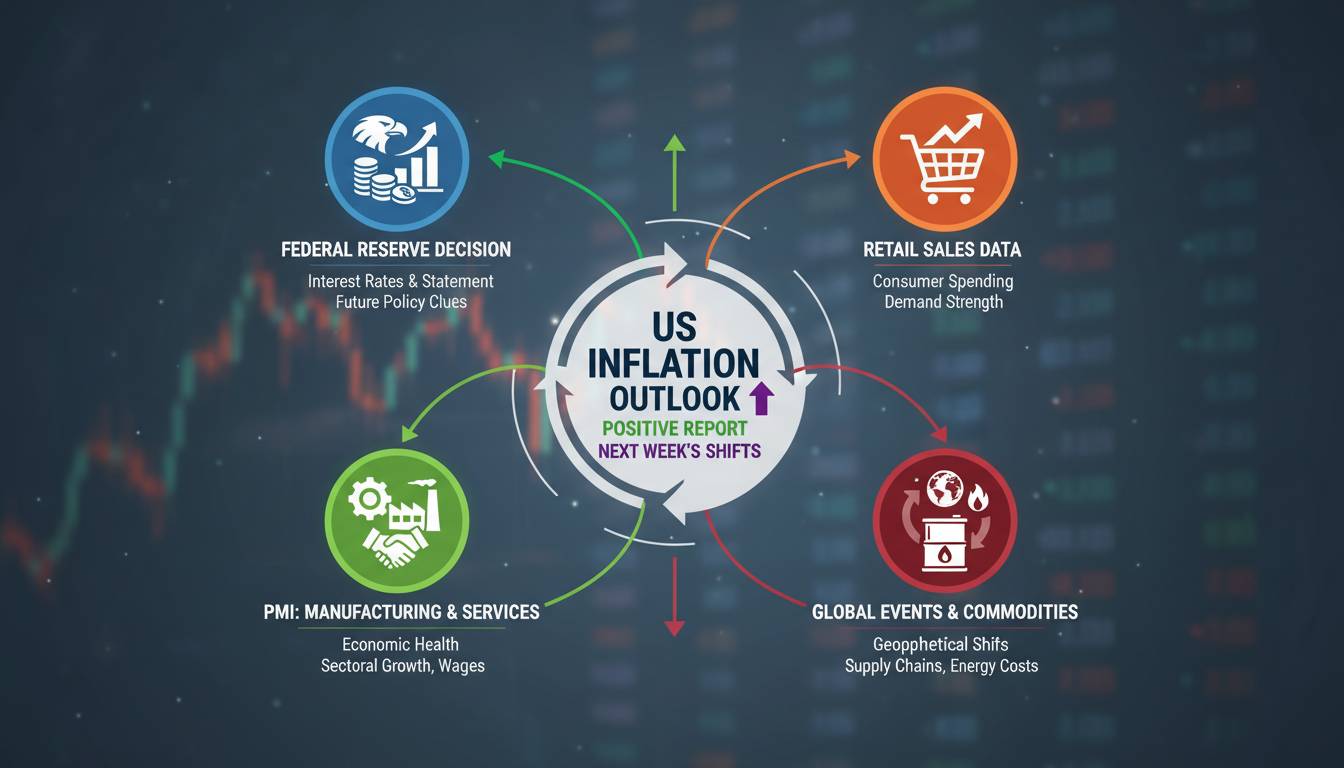
The latest U.S. inflation report gave financial markets and policymakers a measure of relief. February consumer prices rose less sharply than many investors had feared, suggesting that inflation may still be moving, however unevenly, toward the Federal Reserve’s 2% target. The headline numbers looked encouraging on the surface. Yet the optimism may be tested quickly. Another key inflation reading is due next week, and it could reshape how economists, traders, and the Fed interpret the apparent progress.
A softer CPI report offered welcome news
The Bureau of Labor Statistics reported on March 11 that the Consumer Price Index rose 0.3% in February on a seasonally adjusted basis, while annual inflation slowed to 2.4%. Core CPI, which excludes food and energy, increased 0.2% for the month and 2.5% from a year earlier. Those figures marked a step down from January’s firmer pace and suggested that some of the stickier categories that had worried policymakers may be easing.
One of the most closely watched components was shelter. The shelter index rose 0.2% in February, and rent increased 0.1%, which the BLS said was the smallest one-month increase in rent since January 2021. Because shelter carries a large weight in the CPI basket, any sustained cooling there matters for the broader inflation outlook.
Other details also supported the view that price pressures were moderating. Used car and truck prices fell 0.4% in February, motor vehicle insurance slipped 0.3%, and communication prices declined 0.5%. At the same time, medical care rose 0.5% and apparel increased 1.3%, showing that inflation has not disappeared but has become more mixed across categories.
The report’s broad message was that inflation is still above the Fed’s target, but not accelerating in a way that would immediately force a more aggressive policy response. That is why markets initially treated the release as good news. It reinforced the idea that disinflation remains intact, even if the path is uneven. This is the core reason why “The latest US inflation report looked like good news — next week may change that” has become a timely description of the current debate.
Why next week may matter more than this week
The next major test arrives on Wednesday, March 18, when the BLS is scheduled to release February producer price data. The Producer Price Index measures price changes earlier in the supply chain and is watched closely because some of its components feed into the Personal Consumption Expenditures price index, the Fed’s preferred inflation gauge.
That matters because CPI and PPI do not always tell the same story. A benign consumer inflation report can be followed by firmer wholesale price data, especially in service categories that later influence PCE inflation. If that happens, the market’s initial relief after the CPI report could fade quickly.
The Federal Reserve pays particular attention to PCE rather than CPI when assessing progress toward price stability. In a January 28 press conference, Chair Jerome Powell said core PCE inflation was running at 3.0% over the prior 12 months and added, “So, on net, no progress.” That comment underscored the Fed’s caution: one softer CPI report is unlikely to settle the inflation question on its own.
According to Chair Jerome Powell, inflation can be “bumpy,” and policymakers do not want to overreact to one or two monthly readings. While that remark came in a March 2025 speech, it reflects a broader Fed approach that remains relevant: officials are looking for sustained evidence, not a single favorable print.
The latest US inflation report looked like good news — next week may change that
The phrase captures a real tension in the current data. February’s CPI report showed cooling in some of the most persistent areas of inflation, especially shelter. But the inflation story does not end with consumer prices. Wholesale costs, healthcare-related categories, financial services components, and other inputs can still keep the Fed’s preferred measure elevated even when CPI appears to improve.
There is also a timing issue. The Bureau of Economic Analysis will publish the next personal income and outlays report, including the PCE price index for February, on April 9, 2026. That means next week’s PPI release may shape expectations for that later report well before the official PCE figures arrive.
For investors, this creates a familiar pattern. A softer CPI print can lift stocks and push Treasury yields lower, but those moves can reverse if later data suggest inflation is proving more stubborn beneath the surface. For households, the distinction is less technical. Consumers care whether prices for rent, groceries, gasoline, and services continue to strain budgets, regardless of which index economists prefer.
Several February CPI details show why caution remains warranted:
- Food prices rose 0.4% in the month.
- Energy prices increased 0.6%, with gasoline up 0.8% on a seasonally adjusted basis.
- Medical care rose 0.5%, indicating ongoing pressure in some service categories.
- Core CPI at 2.5% year over year remains above the Fed’s 2% goal.
These figures do not point to an inflation resurgence on their own. But they do show that the final stretch back to 2% is proving difficult.
What it means for the Federal Reserve and markets
The Fed’s challenge is not simply to determine whether inflation is falling. It must judge whether inflation is falling sustainably enough to justify easier monetary policy. A single CPI report showing moderation helps, but it does not eliminate the risk that underlying price pressures remain too firm.
That is why next week’s data could have an outsized effect. If producer prices come in soft, investors may gain confidence that February’s CPI report was the start of a broader cooling trend. If PPI is hotter than expected, markets may conclude that the CPI relief was temporary and that the Fed will need to stay patient for longer.
According to the BLS release schedule, the next CPI report covering March prices will not arrive until April 10. Until then, markets are likely to use the March 18 PPI report as one of the best available clues about whether inflation is truly easing or merely pausing.
The broader significance is clear. Inflation has fallen dramatically from its 2022 peak, but the last mile remains the hardest. The latest report looked positive because it showed continued moderation in headline and core consumer prices. Next week may change that outlook because wholesale and PCE-linked components could tell a less reassuring story. For the Fed, for Wall Street, and for households still coping with elevated living costs, that distinction matters.
Conclusion
February’s CPI report gave the U.S. economy a welcome inflation headline: 0.3% monthly price growth and 2.4% annual inflation, with core inflation easing to 2.5%. Cooling shelter costs added to the sense that price pressures may be moving in the right direction. But the inflation picture is not complete. With the February PPI report due on March 18 and the next PCE report still ahead, the apparent good news may yet be challenged. For now, the data offer relief, not resolution.
Frequently Asked Questions
What did the latest U.S. inflation report show?
The February 2026 CPI report showed consumer prices rising 0.3% for the month and 2.4% from a year earlier. Core CPI rose 0.2% monthly and 2.5% annually.
Why did the report seem like good news?
It suggested inflation cooled from January’s pace, and shelter inflation, one of the stickiest categories, slowed further. Rent posted its smallest monthly increase since January 2021.
What happens next week that could change the outlook?
The BLS is scheduled to release February 2026 producer price data on March 18, 2026. Economists watch that report because it can affect expectations for the Fed’s preferred PCE inflation measure.
Why does the Federal Reserve care more about PCE than CPI?
The Fed uses the PCE price index as its primary inflation gauge because it captures a broader set of expenditures and adjusts differently for consumer behavior. Markets therefore watch CPI, PPI, and PCE together rather than in isolation.
Is inflation back to normal in the United States?
Not yet. Inflation is much lower than its 2022 highs, but core CPI at 2.5% and several service categories remain above the Fed’s 2% target.
When is the next CPI report after this one?
The BLS says the March 2026 CPI report is scheduled for release on Friday, April 10, 2026, at 8:30 a.m. Eastern Time.





















Leave a comment