


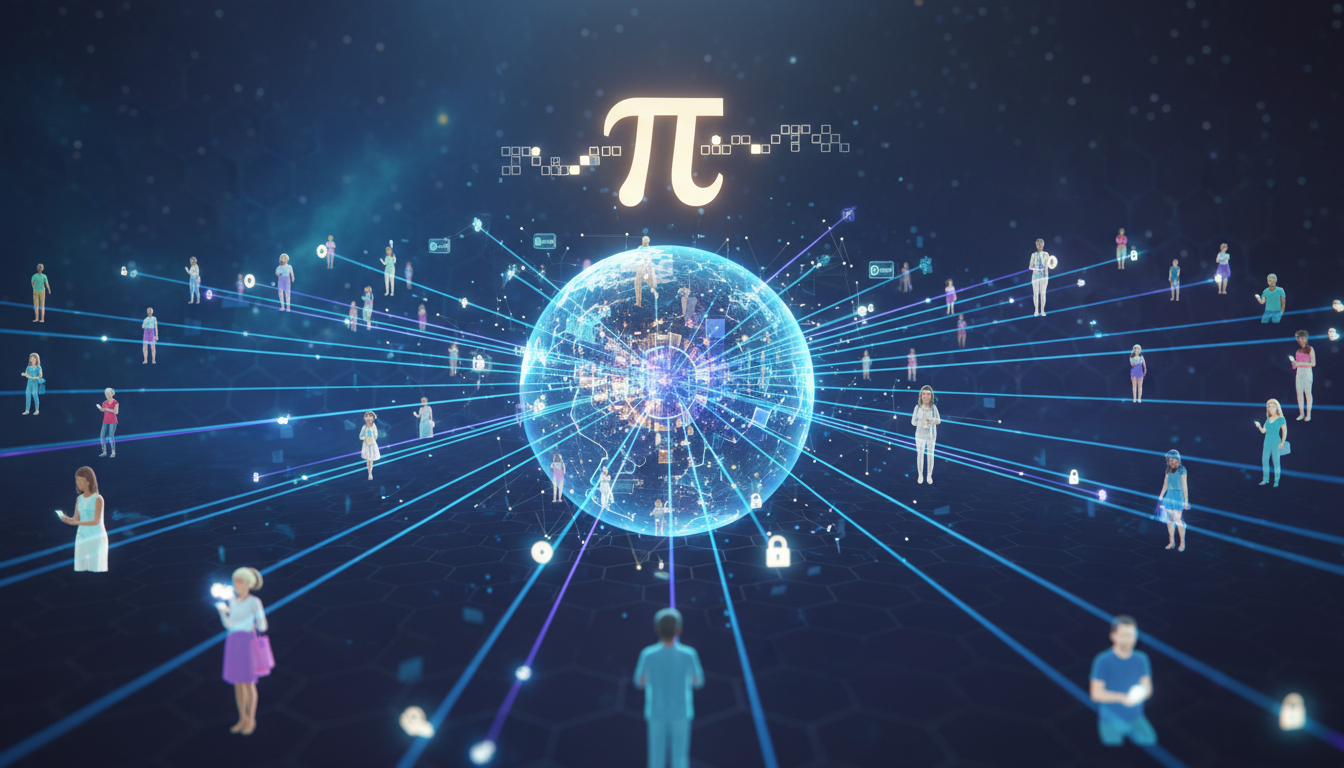
The Pi Network has sparked curiosity—some folks call it revolutionary, others say it’s overhyped. Let’s unpack this.
At first blush, a question lingers: does Pi Coin truly carry tangible worth, or is it a classic case of speculative buzz? On one hand, millions have joined in, mining Pi via mobile phones, attracted by the idea of earning cryptocurrency effortlessly. On the other hand, Pi isn’t yet traded on mainstream exchanges like Coinbase or Binance—adding skepticism to its legitimacy.
Why Pi Coin Has Garnered Attention
The narrative starts with the promise: mining crypto with your phone, no energy-hungry rigs required. That’s undeniably enticing—and it has yielded a significant user base. Many people see it as a “this-time-it’s-different” moment compared to earlier crypto booms.
Yet, such widespread adoption also breeds questions about sustainability. How is Pi’s ecosystem structured? Who validates the network, and what ensures Pi’s prospective convertibility into a recognized asset?
Assessing Fundamental Metrics and Real-World Viability
Network Activity vs. Capital Flow
A useful lens is observing network engagement. It’s one thing to have millions downloading and clicking; it’s another for that activity to translate into meaningful economic transactions. Right now, Pi seems more like an in‑app hobby rather than a driver of commerce.
Real‑world use cases are scarce—barter among early adopters seems more common than actual purchases. That said, such exchanges can serve as microcosms of how broader adoption might look. If localized Pi-to-goods trades catch on, that could hint at practical utility down the line.
Ecosystem Development and Credibility
Trust in Pi depends not just on the network’s buzz but on its governance, partnerships, and transparency. The team behind Pi has rolled out a wallet beta and demo marketplace steps, yet lacks high-profile institutional backing or high-volume exchange listings—typical signs that signal maturity in the crypto realm.
“Meaningful adoption often follows credible infrastructure and transparent validation,” noted a seasoned blockchain analyst. This underlines that fundamentals still count—even in the social saga of Pi.
Pitfalls and Possibilities: A Balanced Appraisal
Pros—Where Pi Shines
- Broad community interest, especially around accessibility and energy-efficient mining.
- Educational introduction to crypto for non-technical audiences, potentially fostering financial literacy.
- A testbed for peer-to-peer digital barter, which could evolve as neighborhood-level currency.
Cons—Caution Flags to Consider
- Absent liquidity and price discovery: no mainstream market price means speculative appraisal dominates.
- Uncertainty about technical governance structure—how is consensus achieved, and who controls key infrastructure?
- Many users could lose interest if utility and validation aren’t established soon.
Drawing Parallels: Lessons from Past Crypto Projects
It may help to compare Pi with other blockchain efforts:
- Projects like PayPal’s stablecoins gained traction by plugging into existing payments networks.
- Or consider local digital currencies in micro economies—they often succeed when backed by clear rules and trusted intermediaries.
Pi’s path may mirror those models if it secures recognizable partnerships or achieves regulatory approval in select regions.
Strategic Recommendation for Curious Observers
- Watch for credible exchange listings. That’s often the clearest signal of price discovery and external confidence.
- Track integration progress—wallet enhancements, merchant pilots, even regional acceptances matter.
- Join local communities with actual Pi-for-goods activity to see whether the digital economy sprouts organically.
Conclusion
Pi Coin’s story isn’t clearly defined yet—there’s a blend of promise, curiosity, and uncertainty. It stands at a crossroad between being a well‑intentioned social experiment and gaining genuine asset credibility. The possible value might lie in its accessibility and grassroots engagement—but unless it builds transparent infrastructure, institutional trust, or viable use cases, it risks remaining a speculator’s fantasy rather than a functional token.
FAQs
Q: What gives Pi Coin any value if it’s not on exchanges?
Its value stems mainly from community participation and trust in its future convertibility; currently, that’s based on optimism, not market realities.
Q: Can Pi be converted into mainstream currencies like USD?
Not yet—conversion can only occur privately or in app-limited contexts. Public, easily accessible exchanges are still pending.
Q: Is Pi safe to mine on my phone?
Yes, generally it’s low-risk since mining doesn’t consume battery like PoW protocols. But remember, “mining” here mostly means tapping a button daily—its reward value remains unverified.
Q: Should I invest serious time or effort in Pi now?
Exploring it as a curious experiment is one thing; assuming it will gain value without clear roadmap and real-world use cases may be premature.
















Leave a comment