



The cryptocurrency industry is a beacon of innovation, regularly making headlines with rapid price swings, major partnerships, and regulatory changes. Each week brings a wave of crypto news shaping both market sentiment and the future of decentralized finance. From Bitcoin’s growing status as digital gold to the ever-shifting landscape surrounding Ethereum, stablecoins, and emerging blockchain startups, staying updated on crypto news is crucial for investors, developers, and regulators alike.
Recent Market Highlights: Bitcoin, Ethereum, and the Altcoin Surge
Bitcoin’s Enduring Influence
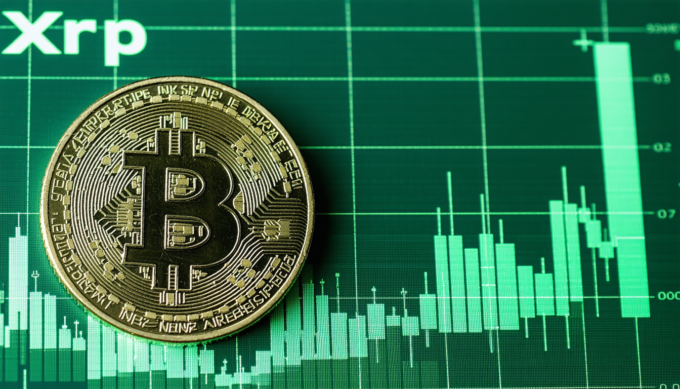
Bitcoin remains the torchbearer for the entire cryptocurrency sector, with its price movements often setting the tone for market sentiment. This year, the coin has demonstrated renewed strength, surpassing previous resistance levels and attracting attention from institutional investors. With prominent asset managers exploring Bitcoin ETFs in various global markets, the asset’s mainstream adoption appears to be advancing.
One notable trend is the expanding role of Bitcoin as a hedge against inflation. Several international brands and private companies have begun allocating portions of their reserves into Bitcoin, drawing on the asset’s fixed supply and decentralized structure. While Bitcoin’s volatility cannot be understated, its increased correlation with macroeconomic events has only heightened public interest.
Ethereum and Layer-2 Innovations
Beyond Bitcoin, Ethereum continues to dominate decentralized application (dApp) development and smart contract deployment. The recent upgrades to Ethereum—most notably the ‘Merge,’ which shifted the network’s consensus mechanism from proof-of-work to proof-of-stake—have significantly reduced its energy consumption and drawn praise from sustainability advocates.
On top of the core Ethereum network, Layer-2 solutions like Arbitrum, Optimism, and zkSync are scaling transaction throughput and slashing fees for everyday users. These advancements are instrumental in expanding Ethereum-based networks, enabling more affordable and accessible DeFi interactions, NFT trading, and real-time gaming applications.
“Layer-2 protocols are creating the infrastructure necessary for mass adoption, providing the scalability and cost-effectiveness users demand in everyday blockchain experiences,” noted a blockchain infrastructure lead at a major DeFi company.
Altcoins and the NFT Ecosystem
The altcoin sector remains as dynamic as ever. Solana, Polygon, and Cardano have all posted notable development updates—ranging from ecosystem grants to cross-chain integration efforts. Meanwhile, the NFT space has witnessed a maturing of utility, with a growing emphasis on intellectual property management, identity authentication, and community-based experiences rather than mere collectible speculation.
Crypto news around NFTs increasingly centers on partnerships with big-name brands, from sports leagues launching digital memorabilia to luxury fashion labels verifying product authenticity on-chain. This evolution signals blockchain’s transition from novelty to tangible business solutions.
Regulatory Developments: Global Perspectives and Local Impacts
United States: Regulation and Institutional Maturity
Regulatory clarity has become a defining issue in the United States. Recent headlines covered the SEC’s actions on digital asset classification, with high-stakes lawsuits impacting both centralized exchanges and token issuers. The emergence of spot Bitcoin ETFs has sparked optimism, while concerns linger over stablecoin oversight and the security status of various tokens.
Nonetheless, mainstream financial players—including major banks and investment funds—are rolling out research desks and trading platforms dedicated to cryptocurrencies. This institutional engagement is not only boosting market credibility but also encouraging other global markets to modernize their approaches.
Asia and Europe: Rapid Innovation Amid Regulatory Nuance
Across Asia, policy has generally leaned toward creating structured frameworks rather than outright bans. Singapore, Hong Kong, and Japan are actively refining crypto licensing standards, seeking to attract both investors and blockchain startups. Similarly, Europe’s Markets in Crypto-Assets (MiCA) regulatory regime is generating headlines, poised to create a level playing field and stimulate cross-border digital asset activity.
While there is no global consensus, a trend toward proactive engagement—rather than prohibition—persists worldwide. This regulatory adaptability is likely to shape crypto news for years to come.
Adoption Milestones: Real-World Integration and Enterprise Engagement
Payments and Remittances: The Spread of Crypto Utility
While speculative trading often commands headlines, crypto’s growing role in payments, remittances, and everyday commerce is steadily advancing. Major payment processors now support digital asset transactions, enabling merchants in dozens of countries to accept Bitcoin, Ethereum, and select stablecoins.
Real-world adoption stories abound: A South American fintech’s use of stablecoins to combat local currency devaluation, remittance platforms lowering fees for cross-border workers, and non-profit agencies leveraging blockchain transparency for donations.
Institutional Investment and Corporate Strategy
Institutions are no longer passive observers in the digital asset arena. An increasing share of blue-chip companies and sovereign wealth funds are incorporating crypto exposure as part of their treasury and diversification strategies. While the regulatory environment still fosters some caution, the momentum toward mainstream investment is undeniable.
Case in point: Leading technology firms are integrating blockchain solutions to enhance data security, improve supply chain transparency, and experiment with new forms of digital identity management.
Security, Hacks, and Consumer Awareness
The Double-Edged Sword of Blockchain Transparency
Despite its promise, the crypto sector continues to grapple with cybersecurity incidents. Recent hacks on decentralized finance protocols and centralized exchanges reinforce the importance of personal security, ongoing code audits, and robust best practices.
Nevertheless, blockchain’s inherent transparency also allows for unprecedented community oversight. Projects that emphasize open-source development, clear governance, and ongoing security education are raising the bar for user safety.
Consumer Protections and User Education
The industry is seeing a growing emphasis on educating users about managing private keys, assessing project credibility, and safeguarding wallet credentials. Many exchanges now roll out insurance schemes, multi-factor authentication, and transparent reporting to reassure both newcomers and seasoned participants.
The Road Ahead: What’s Next for Crypto News?
With the landscape evolving at breakneck speed, the need for timely, accurate crypto news is greater than ever. Expect additional headlines on:
- Central bank digital currencies (CBDCs) and their potential to reshape monetary policy.
- Further institutional adoption and possible mergers between traditional finance and DeFi.
- Enhancements in blockchain interoperability and real-world integrations.
- Ongoing debates over privacy, regulation, and technological sovereignty.
Staying informed is no longer an option for market participants—it is a strategic imperative.
Conclusion
Crypto news is a dynamic pulse check on one of the world’s fastest-growing industries. As blockchain ecosystems continue to mature, both risks and opportunities abound—from Bitcoin and Ethereum’s latest milestones to pioneering enterprise applications and regulatory shifts worldwide. Embracing both technological innovation and prudent due diligence will be vital for anyone hoping to thrive in this digital frontier.
FAQs
What are the most reliable sources for crypto news?
Major publications such as CoinDesk, The Block, and reputable financial outlets often provide timely and verified updates. For in-depth analysis, many experts also follow research reports from blockchain analytics firms and industry newsletters.
How do regulatory changes impact crypto markets?
Regulatory updates can drive volatility in digital asset prices and influence where companies set up operations. Clearer regulations often encourage institutional adoption, while uncertainty may limit participation or innovation.
Why is Bitcoin considered a “digital gold”?
Bitcoin’s fixed supply, decentralized network, and resistance to censorship have prompted comparisons to gold as a store of value. Many investors view it as a potential hedge against inflation and macroeconomic uncertainty.
What are altcoins and why do they matter?
Altcoins are cryptocurrencies other than Bitcoin, often aiming to solve technical or application gaps in blockchain technology. Their innovation powers ecosystems like DeFi, NFTs, and Web3 applications.
How can individuals protect their digital assets?
Best practices include using hardware wallets, enabling strong authentication, and understanding project fundamentals before investing. Keeping informed about the latest scams and attack vectors is also essential.
Is mainstream adoption of crypto inevitable?
While adoption is increasing across sectors, ongoing challenges around security, regulation, and scalability mean the path forward remains complex. Progress is steady but not guaranteed, requiring continued collaboration between innovators and policymakers.



















Leave a comment