


The world of cryptocurrency is continually in flux, but few tokens illustrate this better than XRP. With its roots in Ripple’s vision for fast, borderless financial transactions, XRP occupies a prominent role in the digital asset ecosystem. The token’s value has reflected the chaotic, innovative, and sometimes unpredictable nature of the broader market. As investors, traders, and industry watchers seek to decode what drives the price of XRP, a closer look at its live value, market trends, and fundamental analysis becomes essential.
What Influences the Live Price of XRP?
Major Drivers Shaping XRP’s Value
The price of XRP is influenced by an intricate web of factors, spanning both macroeconomic and sector-specific variables. Foremost among these are:
- Market Sentiment and Speculation: Like most cryptocurrencies, XRP’s price is highly susceptible to news cycles, investor sentiment, and social media trends. Sudden surges or dips often follow headlines regarding regulatory action or adoption milestones.
- Regulatory Developments: Legal clarity remains a crucial factor. The protracted SEC vs. Ripple lawsuit has notably contributed to significant price swings, with each new court motion affecting trader confidence.
- Utility and Adoption: Ripple’s growing partnerships with banks and financial institutions, as well as integration with payment corridors, can lend underlying strength and stability to XRP’s value, especially when adoption yields real-world transaction volume.
Beyond these, broader dynamics like Bitcoin’s price action, movements in the overall altcoin market, and macroeconomic events such as inflation or interest rate decisions all play secondary yet impactful roles.
Supply Structure and Circulation
Unlike some cryptocurrencies with strictly capped supplies, XRP has a unique distribution model. A large proportion is held by Ripple Labs itself, which has committed to periodic releases via escrow mechanisms.
“XRP’s escrow account acts as a market governor, aligning supply management with broader ecosystem health—a practice rare among digital assets,” notes fintech analyst Karen Dugan. “This design both reassures institutions and stokes debate among retail investors about centralization risks.”
This arrangement has, at times, raised concerns around price manipulation or overhang, particularly when large tranches are moved onto the market. However, adherence to transparent schedules and public reporting mitigates some of these fears.
Technical Analysis: Short- and Long-Term XRP Price Trends
Recent Performance in the Spotlight
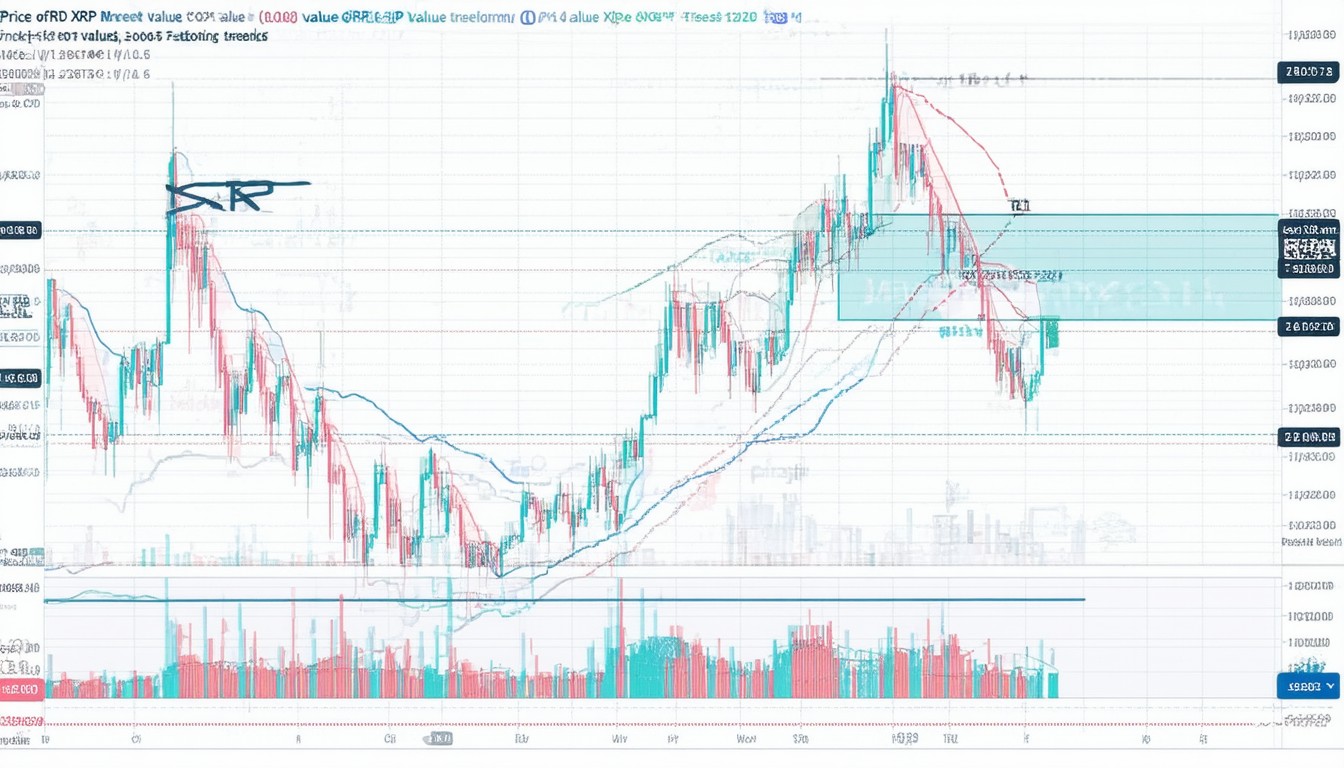
Recent data reveals that XRP’s price has witnessed pronounced volatility, echoing broader sector uncertainties. After a rally near the mid-point of the year, driven partly by positive legal momentum, the token retraced some gains as global risk appetite waned. On-chain metrics indicate fluctuating transaction volumes, while exchange inflows suggest active but cautious trading behavior.
Key Chart Patterns to Watch
Several technical analysis (TA) tools are popular for interpreting XRP’s live price chart:
- Support and Resistance Levels: Prices react around established horizontal barriers, which serve as inflection points for breakouts or reversals.
- Moving Averages: The 50-day and 200-day moving averages are closely tracked; a crossover (golden or death cross) often signals a potential shift in medium-term momentum.
- Relative Strength Index (RSI): Overbought or oversold readings help traders anticipate trend exhaustion or correction periods.
XRP vs. Major Cryptocurrencies
It’s instructive to compare XRP with heavyweights like Bitcoin and Ethereum. While correlation typically exists, XRP’s unique use case—as a bridge asset for institutional payment flows—can lead to diverging price action. For instance, legal news or major partnership announcements can lead to isolated rallies or corrections, independent of the market’s blue-chip tokens.
Macro Trends: RippleNet, Cross-Border Payments, and Regulation
Industry Adoption and Ripple’s Partnerships
Ripple Labs has steadily expanded its network to include hundreds of banking and remittance partners worldwide. Regions such as Southeast Asia and the Middle East have shown early traction for RippleNet’s payment corridors, where the low fees and immediate settlement are addressing legacy banking inefficiencies.
Examples include:
- A major Japanese bank launching remittance services powered by RippleNet, slashing transaction times to seconds.
- Partnerships with central banks exploring digital currency pilots or payment interoperability.
The Regulatory Landscape: An Ongoing Wildcard
Few factors hold as much sway over the price of XRP as the evolving regulatory conversation. The resolution of Ripple’s prolonged legal spat with the SEC—which centers on whether XRP should be classified as a security—will likely set precedents affecting not only XRP but potentially the entire crypto sector. While periods of uncertainty have at times depressed the token’s value, clarity often triggers rapid repricing, with billions of dollars in market capitalization shifting hands on pivotal verdicts.
Strategic Outlook for Investors and Institutions
Portfolio Positioning: Pros and Cons
For investors, XRP offers a unique blend of attributes. Its established role in enterprise finance, regular movement of high-profile funds, and substantial liquidity on major exchanges can make it attractive both for trading and as a portfolio diversifier. On the other hand, regulatory headwinds and questions over long-term decentralization pose ongoing risks for speculative and institutional participants alike.
Analysts recommend a nuanced approach: careful attention to position sizing, disciplined risk management, and vigilance regarding upcoming legal, technical, or macro events.
What to Watch Next
- Progress in regulatory clarity in key markets (notably the U.S. and EU).
- Expansion or contraction of RippleNet partner networks.
- Shifts in on-chain transaction volumes, network fees, or address activity.
- Major technical indicators: Price breakouts above or below established levels may provide signals for tactical traders.
Conclusion
The price of XRP encapsulates many themes in crypto: innovation, disruption, risk, and resilience. Constantly molded by news events, technical patterns, and underlying use cases, its value reflects both the promise and pitfalls of the digital asset world. As the landscape evolves—with ongoing legal developments, growing institutional adoption, and maturing technical infrastructure—XRP remains a barometer for the future of blockchain-enabled payments. Prudent investors monitor not only the live price, but also the waves of change beneath it, positioning themselves to adapt as new opportunities and challenges emerge.
FAQs
What determines the real-time value of XRP?
XRP’s live price is determined by a mix of market supply and demand, investor sentiment, major news events, and larger trends within the cryptocurrency space. It’s also influenced by Ripple’s ecosystem developments and the overall appetite for risk in digital assets.
How does regulation affect the price of XRP?
Regulatory announcements often trigger sharp moves in XRP’s price, especially developments related to its status as a security. Clarity or resolution in major legal cases involving Ripple tends to reduce uncertainty and can spur price volatility in either direction.
Is XRP a good investment compared to other cryptocurrencies?
XRP offers rapid transaction speeds and is central to Ripple’s banking partnerships, setting it apart from many other tokens. However, regulatory ambiguity and supply-related concerns mean potential investors should weigh both benefits and risks.
Where can I track the live price of XRP?
Reputable cryptocurrency exchanges and financial data platforms, such as Binance, Coinbase, and CoinMarketCap, provide real-time XRP pricing data alongside market charts and trading volumes.
What are the main risks in trading or holding XRP?
Aside from market volatility, XRP faces specific risks like legal uncertainty, potential changes in how it is regulated, and concerns around supply control by Ripple Labs. Investors should keep up with industry news and manage exposure accordingly.



















Leave a comment