


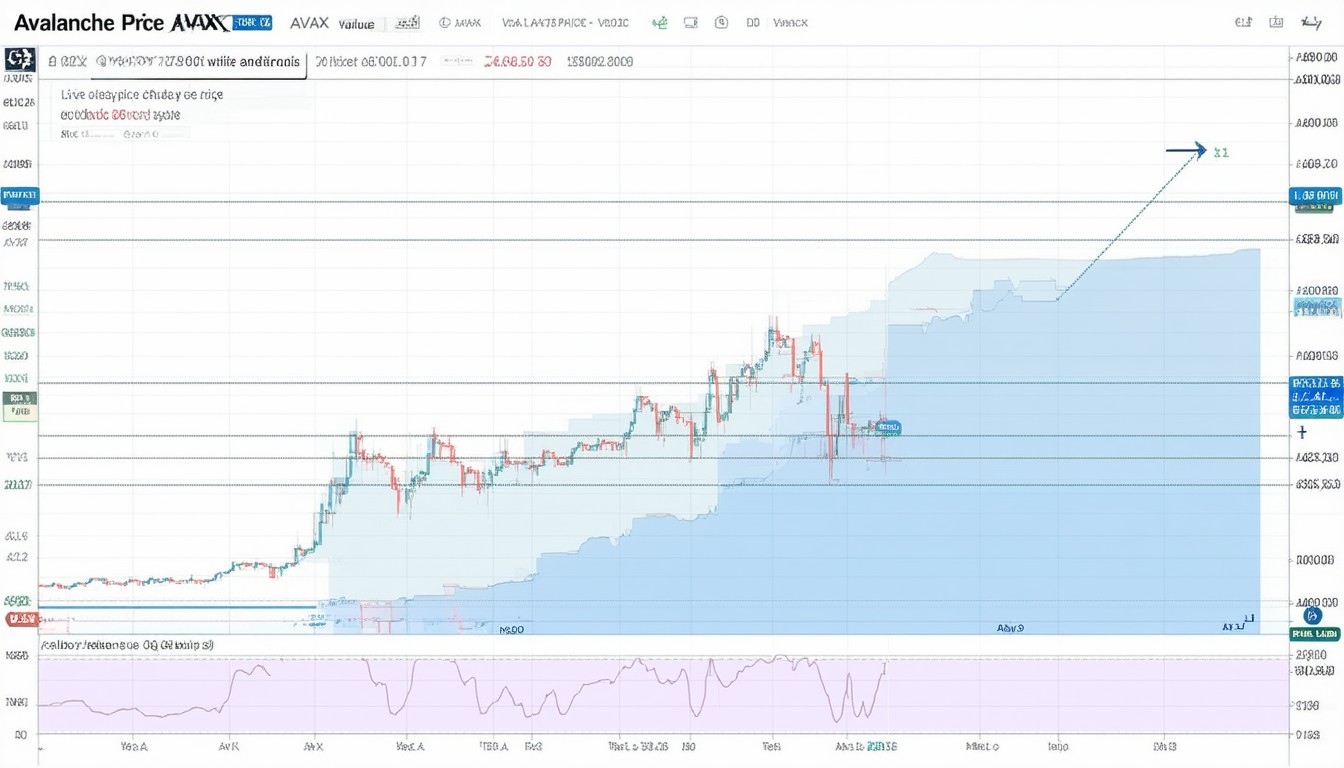
Avalanche (AVAX) has emerged as one of the most dynamic and closely watched cryptocurrencies, particularly among DeFi innovators, ecosystem developers, and institutional investors. Its price reflects not only the pace of technological development within the Avalanche protocol but also broader market sentiment, evolving regulatory frameworks, and fast-shifting blockchain adoption trends. Understanding what drives the AVAX price and how it behaves in live markets is key for both prospective investors and crypto observers alike.
What Influences Avalanche (AVAX) Price Movements?
The AVAX price is shaped by a complex interplay of internal and external drivers.
Core Protocol Developments and Upgrades
At the heart of any blockchain’s value lies its underlying technology. For Avalanche, frequent protocol upgrades, enhanced interoperability, and unique innovations such as the “Avalanche consensus” mechanism have consistently drawn attention. Unlike older platforms, Avalanche can process thousands of transactions per second without compromising decentralized security.
- The Avalanche consensus mechanism enables near-instant finality, which appeals to users wary of network congestion and high fees on rivals like Ethereum.
- Major network upgrades—such as the launch of subnets, which let developers create dedicated blockchains—tend to trigger visible spikes in AVAX price activity.
Ecosystem Growth and DeFi Integration
Ecosystem growth has a direct impact on AVAX’s demand dynamics. With the rise of decentralized finance (DeFi), non-fungible tokens (NFTs), and novel dApps (decentralized applications), Avalanche has positioned itself as a go-to infrastructure.
Several prominent protocols, including Trader Joe, Pangolin, and BENQI, have attracted significant liquidity to the Avalanche ecosystem. Cross-chain bridges further facilitate capital inflows, reinforcing AVAX’s utility and, by extension, market value.
“Ecosystem expansion is one of the core engines of digital asset price appreciation,” says a portfolio manager at a leading crypto investment fund. “When we see DeFi platforms and real-world apps launching on Avalanche, we expect the AVAX price to benefit over time.”
Macro Trends and Sentiment Shifts
Beyond protocol specifics, the live value of Avalanche is heavily influenced by macro market conditions:
- Bitcoin and Ethereum movements: Like many altcoins, AVAX tends to correlate strongly with the price action of major cryptocurrencies.
- Global risk appetite: Broad investor sentiment, regulatory news, and risk-on/risk-off tendencies in global markets often impact AVAX’s liquidity and volatility.
- Regulatory changes: Announcements about legislation in key markets like the U.S. or the EU can create sudden, severe price swings.
Live AVAX Value: Tracking and Interpreting Real-Time Data
Understanding live AVAX price requires more than refreshing a price chart. A range of metrics—from spot prices on exchanges to on-chain data—offer a nuanced view.
Popular Price Trackers and Volume Indicators
Leading platforms like CoinMarketCap, CoinGecko, and Messari aggregate live AVAX values from major exchanges such as Binance, Coinbase, and Kraken. Monitoring:
- Real-time price changes,
- Volume traded in 24h periods,
- Market capitalization,
- Order book depth,
can highlight both short-term momentum and emerging trends.
On-Chain Metrics: Beyond Surface-Level Analysis
For a deeper technical assessment, on-chain metrics provide insights traditional financial markets rarely offer. These include:
- Wallet activity: An uptick in active wallet addresses or unique daily transactions can signal increased utility and, sometimes, bullish sentiment.
- Staking ratios: High percentages of AVAX staked can reduce liquid supply, a technical factor sometimes correlated with upward price pressure.
- Bridge inflows/outflows: Watching how much value flows into or out of Avalanche via cross-chain bridges can provide an early signal of ecosystem growth or contraction.
Short-Term vs. Long-Term Price Behaviors
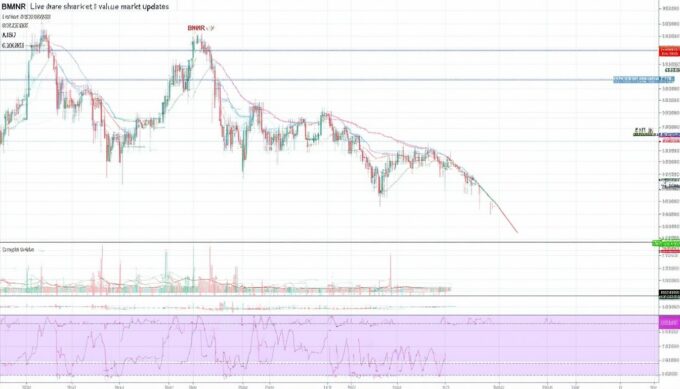
The AVAX price can be volatile on short timeframes, especially around token unlock events or major announcements. However, technical analysts often look for patterns over weeks or months, using tools like:
- Moving averages (MA)
- Relative Strength Index (RSI)
- Fibonacci retracements
These help refine timing decisions for traders but are best used alongside fundamental technology and adoption-based analysis.
Avalanche Market Trends: Patterns and Predictions
The Avalanche ecosystem, since launch, has seen periods of both rapid ascent and steep correction, underscoring its high-beta nature.
Notable AVAX Price Surges
After its mainnet debut, AVAX saw an initial surge of interest, peaking during the broader bull run periods when DeFi adoption soared. In one notable stretch—when a major incentives program was introduced—TVL (total value locked) on Avalanche’s DeFi protocols quadrupled within weeks, and the AVAX token price rallied in tandem.
Periods of Volatility and Correction
However, Avalanche is not immune to broader market cycles. Like its peers, it underwent swift corrections during risk-off phases, particularly after regulatory crackdowns in high-volume regions or when Bitcoin underwent significant retracements.
Comparative Analysis: AVAX and Competing Layer-1s
Avalanche often finds itself compared to Ethereum, Solana, and Cosmos. Differences in consensus, transaction throughput, and developer engagement all play into their respective price stories. While Ethereum still commands the largest developer pool, Avalanche’s subnets and developer incentives are often cited as competitive differentiators.
Advantages
- Fast finality and low fees
- High degree of customization for dApps
Growing Pains
- Occasional network congestion during peak usage
- Ongoing competition from both legacy and emerging blockchains
What’s on the Horizon for Avalanche?
Looking ahead, the Avalanche roadmap teases further upgrades, with an emphasis on enhanced scalability and real-world uses (such as institutional DeFi and tokenized assets). Strategic partnerships—such as collaborations with enterprise technology providers or government entities—could catalyze additional ecosystem growth and price action.
But some caution is warranted. Crypto markets are notoriously cyclical and prone to external shocks; regulatory frameworks and cross-chain exploits are recurring sources of risk. As with any crypto investment, measured diligence and risk management remain paramount.
Conclusion
The price of Avalanche’s AVAX token serves as both a market barometer and a reflection of the project’s evolving fundamentals. Short-term moves are often dictated by macro sentiment and crypto market waves, while long-term growth hinges on network adoption, robust ecosystem activity, and real-world application. For participants seeking opportunity or simply aiming to understand the AVAX live value, a mix of on-chain data, ecosystem tracking, and awareness of global crypto trends is key.
FAQs
What is Avalanche (AVAX) and what sets its price apart from other crypto assets?
Avalanche is a high-speed, programmable blockchain platform for DeFi and other decentralized apps. Its price is shaped by unique technology, rapid ecosystem growth, and general crypto market trends.
How can I check the live price of AVAX?
You can find real-time AVAX values on major exchanges and pricing platforms like CoinMarketCap, CoinGecko, or through app-based crypto wallets.
What are the main factors behind AVAX price volatility?
AVAX price swings can result from protocol upgrades, news about ecosystem adoption, broad crypto sentiment, and global regulatory updates.
Is Avalanche better than Ethereum or Solana in terms of investment potential?
All have strengths: Avalanche prides itself on speed and modular architecture, Ethereum leads in developer adoption, and Solana excels at throughput. Long-term potential depends on technology advances and market shifts.
Why do network upgrades impact AVAX price?
Upgrades can boost AVAX’s utility, scalability, and appeal to developers, often attracting new investment and positive market sentiment.
Does staking AVAX influence its price?
Staking decreases liquid supply, which can sometimes create upward price pressure, but market demand and sentiment remain equally important.















Leave a comment