


The Super Bowl halftime show is the spectacle that steals the spotlight — it’s a showcase of chart-topping performers, jaw-dropping production, and surprise moments that get the whole world talking.
A Blockbuster Stage for Big Names
The halftime show is where the music world meets football’s biggest stage. Over the years it has featured legends and current hits alike—think Michael Jackson redefining the format, Beyoncé delivering electrifying dance sequences, U2 turning a moment into a tribute, and more recent stars blending pop, hip-hop, and spectacle. These acts bring high energy and global reach, attracting hundreds of millions of viewers in real time.
Performers are often chosen for their widespread appeal and relevance. That means superstar artists with streaming dominance, social media buzz, and broad fan bases. Not only do they have to match the hype of Super Bowl audiences, they have to deliver something unforgettable.
Highlights That Keep Fans Buzzing
Surprise Collaborations and Guest Appearances
One of the most talked-about quirks is when artists drop in unannounced. Think of the moment when Madonna brought out LMFAO, Nicki Minaj, M.I.A., and CeeLo Green—unexpected cameos that lit up social feeds.
Theme and Visual Storytelling
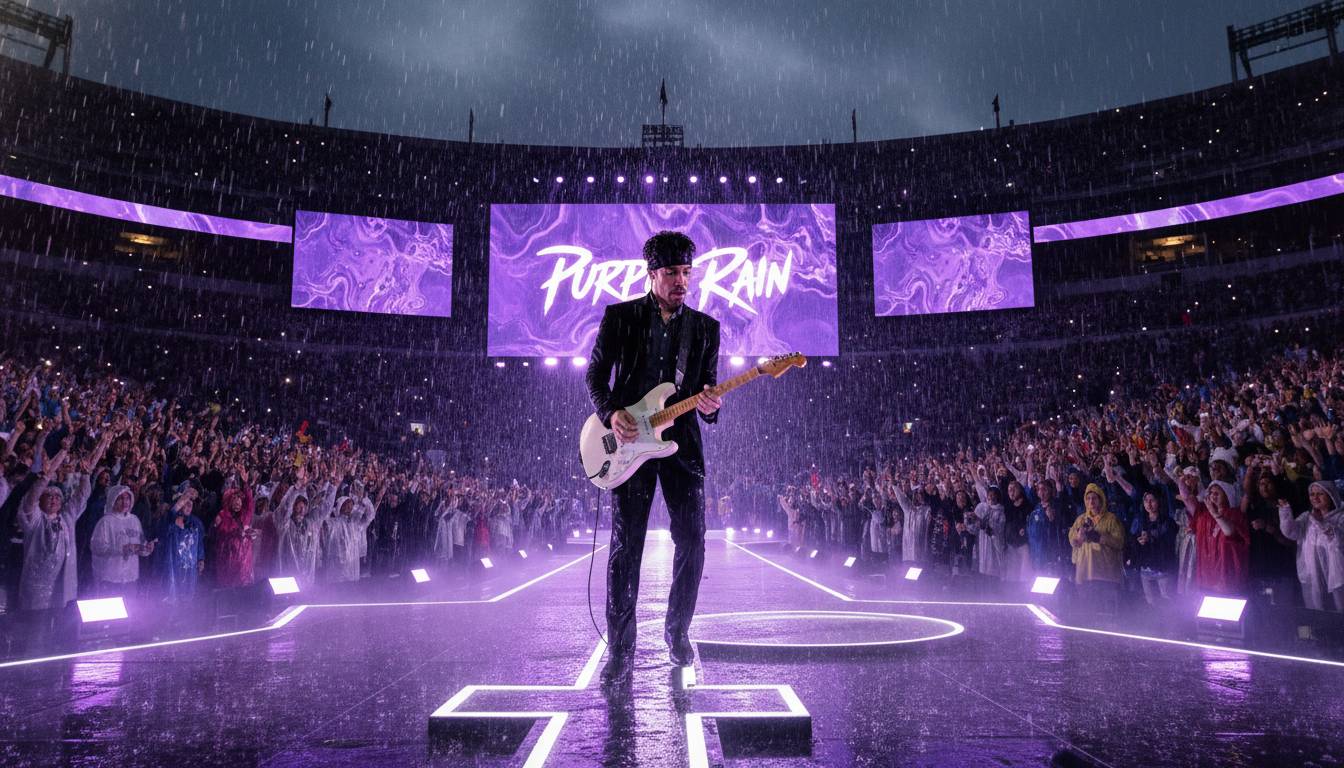
Halftime shows rarely feel generic. They often carry a narrative or visual motif that ties the set together. For instance, Prince’s unforgettable performance—playing guitar in the rain—felt cinematic. Beyoncé’s “Formation” segment honored Black culture and stirred powerful conversation.
High Production Values
These performances are not just concerts—they’re full-blown productions with drones, pyrotechnics, intricate staging, and big costume moments. It’s part fashion show, part Broadway, part rock concert.
Performers Who Defined Eras
Michael Jackson (1993)
Often credited with transforming the halftime show into must-watch TV, Jackson brought his signature choreography and global presence to a previously modest setup. This was the moment the NFL realized the halftime show could be a ratings goldmine.
U2 (2002)
U2 used the Super Bowl platform to honor victims of 9/11. Their emotionally charged set, complete with scrolling names of the fallen, showed music’s power beyond entertainment.
Beyoncé (2013 & 2016)
First, she showcased solo brilliance, then returned with Coldplay and Bruno Mars for a dynamic mash-up. Her 2016 “Formation” performance in front of a backdrop of Black power symbols sparked widespread discussion.
Prince (2007)
A rain-drenched halftime performance that felt legendary. Prince’s energy was unmatched, and the visual of him playing “Purple Rain” amidst real rain cemented the moment in Super Bowl lore.
Bruno Mars & Lady Gaga (2014, 2017)
Bruno Mars delivered high-energy funk-packed visuals, and Lady Gaga soared through the audience singing “God Bless America.” Both moments blended audience engagement and show-stopping performance.
Behind the Curtain: Logistics and Strategy
Putting together a Super Bowl halftime show is a massive undertaking. There’s no room for glitches. Coordinating rehearsals inside the stadium, setting up elaborate staging in tight timeframes, and moving thousands of pounds of equipment—all happen fast.
Artists must also balance high production expectations with broadcast regulations, sponsorship considerations, and cultural sensitivity. That often means multiple rehearsals, contingency plans, and technical redundancies.
What Makes a Halftime Show Memorable?
1. Authentic Connection
Audiences can sense when artists mean it. Genuine emotion, performance energy, and cultural relevance make shows resonate far beyond the stadium.
2. Visual Spectacle
Scale matters. Big visuals, bold costumes, dramatic lighting, and audience engagement all amplify the performance.
3. Surprise & Timing
Halftime is short—about 12–15 minutes. Capturing attention early and delivering surprises keeps viewers glued.
4. Cultural Relevance
Addressing current themes—whether celebrating unity, making political statements, or just capturing the moment’s vibe—makes the performance feel timely.
Looking Ahead: What’s Next for Halftime Shows?
The show evolves. Recent trends include:
- Genre mashups that draw from rap, rock, country, and pop in one set.
- Technological wow factors like drones, augmented reality, or immersive visuals.
- Global stars that appeal to international audiences—think artists with massive streaming followings or multilingual reach.
- Interactive elements via live fan voting or social media tie-ins.
These shifts show the halftime show isn’t static. It’s adapting to streaming culture, social platforms, and wide-ranging fan tastes.
Real-World Example: A Case Study
Imagine a recent halftime show that brought together a pop superstar, a rapper, and a Latin music icon. The set opens with a flamenco-influenced dance number. Surprise: the rapper appears mid-performance, reshaping the energy with a high-tempo verse. Then the Latin icon joins for a bilingual sing-along under flashing LED visuals. It’s short, dynamic, and blends musical traditions—leaving the audience buzzing across media and social platforms.
The show ends with a unifying visual motif—maybe flags, cultural symbols, or shared choreography—all pointing to togetherness. In this way, the performance is both a party and a statement.
Why This Matters for Brands and Culture
Super Bowl halftime shows are cultural touchpoints. They reflect public sentiment, influence fashion and music trends, and generate vast social chatter. Brands often tie in through sponsorships, ads, or pre-show activations.
For artists, it’s a career-defining platform. A strong halftime performance can boost streams, concerts tickets, and brand deals almost overnight.
Strategic Tips for Future Performances
When planning a future halftime show:
- Blend musical styles to appeal across generations.
- Prioritize storytelling, even in a short set.
- Plan for surprise—a guest or plot twist can elevate impact.
- Invest in production beyond just flashy tech—make it meaningful.
- Tap cultural context—timing and messaging matter.
Conclusion
The Super Bowl halftime show remains one of music’s most electric stages. Its magic lies in grabbing attention, delivering emotion, and living on in culture. With smart performer choices, narrative moments, and production flair, each show turns into a shared memory. Future performances will benefit from embracing diversity, surprise, and technological depth.
FAQs
What makes the Super Bowl halftime show so popular?
It combines top-tier performers, high-stakes production, surprise moments, and global viewership into one can’t-miss event. All that makes it pop culturally and online.
Why do artists want to perform at halftime?
It’s a rare chance to reach hundreds of millions in a single moment. Artists often see massive boosts in streaming numbers and social buzz afterward.
How long do halftime shows usually last?
They typically run about 12 to 15 minutes. That limited window forces tight, high-impact storytelling through music and visuals.
Has any artist ever performed more than once?
Yes. Artists like Beyoncé, Bruno Mars, and The Weeknd have returned for multiple performances, showing the NFL’s trust in their audience draw.
Are halftime show messages planned or spontaneous?
Most are carefully choreographed for impact. But spontaneous moments—emotional gestures or surprise guest spots—really stand out.
How do they pull off big effects quickly?
Stage crews race during the game’s other moments to set up and strike elaborate sets. It’s high-stakes logistics backed by tight rehearsal and backup plans.
Word count: approximately 1,100 words.














Leave a comment