


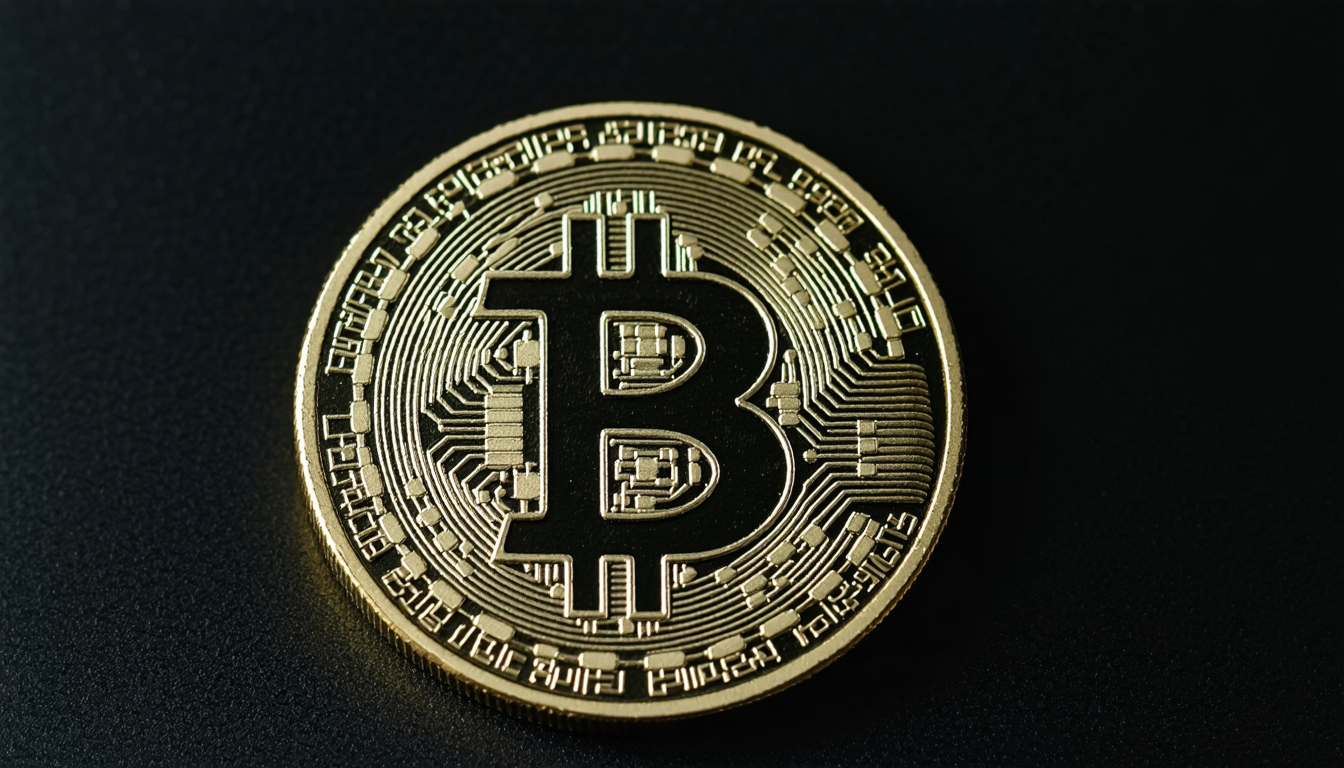
Let’s face it—when you first come across the term Pi Coin, it can feel a little too quirky to take seriously. Mining crypto by tapping your phone? Isn’t that what we call lazy hustling? Yet, this “mobile-first” approach has attracted tens of millions worldwide, and suddenly, there’s curiosity, skepticism, and—of course—a sprinkle of hope. So, what is Pi Coin really, how does the Pi Network work, and is any of it legit? Let’s dig in, warts and all.
The Foundation: Pi Network Origins and Philosophy
The Pi Network was co‑founded in 2019 by Stanford PhDs—including Dr. Nicolas Kokkalis and Dr. Chengdiao Fan—with the ambitious vision of making cryptocurrency accessible to everyone, not just tech experts with fancy rigs . Instead of the intense energy consumption of Bitcoin mining, Pi Network leans on mobile-friendly interaction: users tap a button daily to “mine” Pi .
This somewhat lazy—but ingenious—approach unlocked explosive community growth. By early 2025, Pi boasted tens of millions of “Pioneers,” with a substantial share completing identity verification to participate in the Mainnet . So, rather than idle tapping, users were building what amounts to a socially secured, trust‑based system.
Technical Backbone: How Pi Actually Works
Here’s where things get interesting. Pi Network’s architecture isn’t about solving cryptographic puzzles—it relies on a Federated Byzantine Agreement (FBA), adapted from the Stellar Consensus Protocol (SCP) . In practical terms, users form “security circles”—small groups of trusted individuals—and collectively, these overlapping networks produce a global trust graph that helps validate transactions .
The ecosystem is structured around four roles:
– Pioneers, who earn Pi by daily check‑ins,
– Contributors, who build their security circles,
– Ambassadors, who recruit new users, and
– Node operators, who run full validation software on their computers .
This decentralizes network trust across everyday people versus powerful mining farms, while keeping power consumption incredibly low.
“It’s a new approach to crypto that prioritizes accessibility over technical complexity.”
Roadmap: From Enclosed Network to Open Mainnet
The journey began in a closed environment—users mined and earned Pi vouchers, but couldn’t yet use or trade them . This phase was about building userbase, verifying identities, and preparing infrastructure.
The transition came on February 20, 2025, when Pi Network shifted to its Open Mainnet phase—enabling external connectivity and real trading via exchanges like OKX, MEXC, and Bitget .
Yet even after the Mainnet launch, Pi struggled with transparency, delayed features, and limited real-world utility—a concern raised by both users and analysts alike .
Price Dynamics: Volatility, Supply, and Sentiment
Though a new kid on the block, Pi hasn’t escaped typical crypto turbulence. Market activity shows:
- Token unlocks fueling oversupply—millions of PI tokens enter circulation daily, pressuring prices .
- Speculative swings—for instance, a 16% surge in August 2025, driven by rumors rather than fundamental progress .
- Volume dips and liquidity struggles, sometimes keeping price near historic lows (e.g. around $0.19 in early 2026) .
- Contrasting forecasts—optimistic voices projecting a potential climb to hundreds or even thousands of dollars by 2030, but realistic models expecting modest gains or stagnation .
Such volatility underscores Pi’s uncertainty in investor circles, particularly as user enthusiasm tests the network’s capacity to deliver tangible value.
Adoption & Use Cases: Beyond Mining
So far, Pi’s real-world footprint is modest. Development efforts—like hackathons and app incubation—aim to prime ecosystem growth . However, critics point to missing infrastructure, limited developer engagement, and delayed app approvals as barriers .
For Pi to shed its tapping toy image, it must evolve into a functioning economy: usable for payments, accepted by businesses, and integrated into daily digital life.
Risks and Challenges to Consider
-
Oversupply: Continual token unlocking without deflationary controls keeps downward pressure on price .
-
Transparency issues: Unclear token distribution, delayed communication, and coding/budget transparency are persistent concerns .
-
Limited exchange presence: Pi remains absent from major crypto platforms like Binance or Coinbase, reducing accessibility and adoption .
-
User skepticism: Some users criticize the network for slowness, scams in chats, and KYC delays—leading to loss of trust .
Yet despite these obstacles, something about Pi continues to inspire hope—perhaps its mobile accessibility, its massive community base, or the promise of democratizing crypto.
Conclusion
Pi Coin and the Pi Network present a daring experiment in making cryptocurrency accessible to the masses—no fancy rigs, no energy drain, just a tap and a trust graph. Built upon Stellar’s consensus, a massive user base, and an evolving Mainnet, it bridges social networks with blockchain mechanics.
But the road ahead is undeniably bumpy: supply inflation, skepticism over transparency, minimal utility today, and a fragile price dynamic. Whether Pi becomes a functioning alternate currency or fades as a curious crypto footnote depends on its ability to deliver value beyond tapping—through vibrant usage, developer activity, and mainstream adoption.
FAQs
What exactly is Pi Coin?
Pi Coin is the native digital token of the Pi Network, earned by users via a mobile app that leverages social trust (security circles) and the Stellar Consensus Protocol. It moves beyond traditional Proof-of-Work mining, making crypto participation accessible to everyday users.
Is Pi Coin tradeable now?
Since February 20, 2025, Pi transitioned to an Open Mainnet and is available on exchanges like OKX, MEXC, and Bitget. However, it remains absent from major platforms like Binance or Coinbase.
How does mobile “mining” work?
Mining on Pi is user-friendly—you check in daily via the app. Your activity contributes to your role as a Pioneer, and you can administer security circles and earn referral bonuses to amplify your rewards.
Why is Pi Coin’s price so volatile?
Price swings tie back to frequent token unlocks (adding supply), limited liquidity, speculative trading, and uncertain adoption. This makes Pi prone to short-term spikes and valleys.
Can Pi Coin be considered a scam?
While Pi has never been formally labeled a scam, concerns persist around transparency, referral-driven onboarding, and slow progress. Skepticism remains until real-world utility and governance clarity improve.
What needs to happen for Pi to succeed long-term?
Success depends on boosting ecosystem utility—real apps, marketplaces, and payment options—paired with improved transparency, stable tokenomics, and broader exchange access.

















Leave a comment