


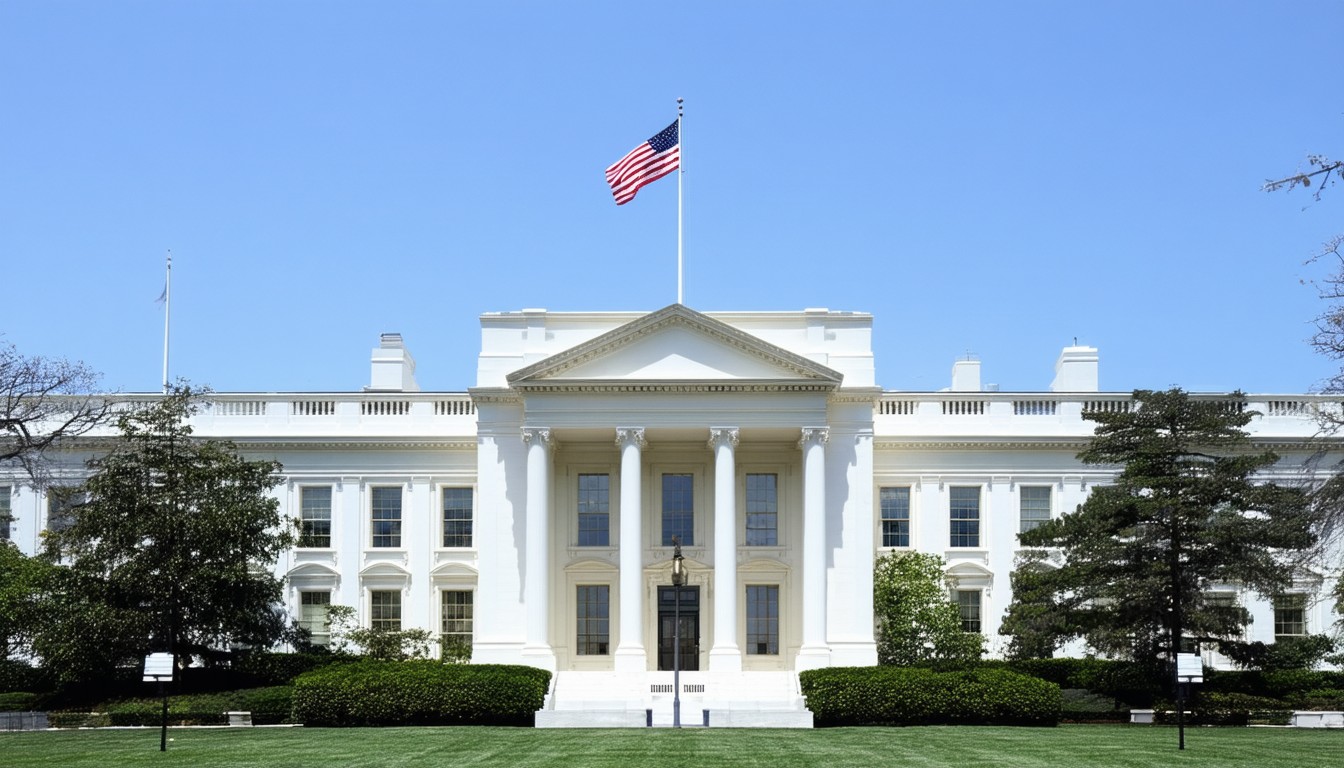
At the heart of the American financial system lies an institution whose reach extends from global markets to the everyday lives of its citizens: the U.S. Treasury. Charged with managing the nation’s finances, formulating economic policy, and maintaining the stability of the dollar, the U.S. Department of the Treasury operates as both a policy driver and a financial service provider. Its actions ripple through sectors ranging from Wall Street to Main Street, influencing interest rates, tax policies, and even the nation’s global standing.
An Overview of the U.S. Treasury’s Core Functions
The Treasury’s core mandate is wide-ranging, reflecting its dual responsibility to serve both government needs and the broader U.S. economy.
1. Managing Federal Finances
Chief among the Treasury’s responsibilities is the management of federal finances. This includes overseeing the collection of federal taxes, disbursing payments for government programs, and accounting for the nation’s finances.
- Internal Revenue Service (IRS): As the primary tax collection agency, the IRS operates under the Treasury, ensuring the federal government has the financial resources needed to serve its citizens.
- Fiscal Service: Responsible for borrowing money through the issuance of government securities, such as Treasury bills and bonds, this unit ensures the federal government can fund deficits and pay for essential services.
This borrowing is not merely a technical process. Treasury debt securities are the bedrock of global finance, inspiring confidence among domestic and international investors. During periods of market uncertainty, U.S. Treasuries are often considered the ultimate “safe haven” asset.
2. Currency Production and Protection
The Treasury also plays a pivotal role in developing, producing, and safeguarding U.S. currency. Through the Bureau of Engraving and Printing and the United States Mint, it:
- Designs and prints all paper currency
- Strikes coins
- Works to secure and modernize currency to deter counterfeiting
Moreover, the Treasury formulates policies designed to maintain the strength and integrity of the U.S. dollar, both as a domestic medium of exchange and a global reserve currency.
3. Economic Policy Formulation
Beyond financial management, the Treasury is a key architect of national economic policy. It advises the President on broad economic trends, such as inflation, unemployment, and fiscal stimulus.
Its Office of Economic Policy and Office of International Affairs analyze both domestic and international developments, providing recommendations that can influence tax laws, regulatory frameworks, and even sanctions.
“The Department of the Treasury acts as a fulcrum between policy and implementation, turning legislative priorities into operational reality while safeguarding financial stability.”
— Former Treasury Undersecretary
The Treasury’s Role in Financial Markets and Services
The Department wields immense influence over U.S. and global financial markets.
1. Issuing U.S. Treasury Securities
Treasury securities—bills, notes, and bonds—form the foundation of the government’s borrowing. In practice, these markets are among the largest and most liquid in the world. Pension funds, foreign governments, banks, and mutual funds rely on Treasuries for low-risk, reliable returns.
- Short-term securities: Treasury bills (T-bills) mature in a year or less and are used by corporations to manage cash.
- Medium and long-term securities: Notes and bonds, with maturities from two to 30 years, are integral to investment portfolios and monetary policy operations.
During economic shocks—the 2008 financial crisis or the COVID-19 pandemic—demand for Treasuries surges as investors seek safety, illustrating the market’s trust in the U.S. government’s creditworthiness.
2. Financial Sanctions and Anti-Money Laundering
The Office of Foreign Assets Control (OFAC), a branch of the Treasury, implements economic and trade sanctions based on U.S. foreign policy goals and national security. It targets terrorist organizations, drug traffickers, and hostile states, using financial systems as leverage.
Furthermore, the Financial Crimes Enforcement Network (FinCEN) combats money laundering and terrorism financing, safeguarding the U.S. and global financial system’s integrity.
3. Oversight of Financial Institutions
The Treasury, in collaboration with the Federal Reserve and other regulatory bodies, exercises oversight over banks and other financial institutions. It aims to maintain confidence in the financial system and deter threats to its stability.
Case Study: COVID-19 Economic Relief
In early 2020, as economies ground to a halt, the Treasury spearheaded the deployment of several trillion dollars in emergency relief—direct payments, business loans, and expanded unemployment benefits. These rapid interventions stabilized financial markets and aided millions of Americans, underscoring the Treasury’s agile financial engineering capabilities.
Impact on Global Markets and International Relations
The U.S. Treasury’s influence extends far beyond national borders. The U.S. dollar’s status as the preeminent global reserve currency is anchored in Treasury policy and debt issuance.
1. The Dollar as the World’s Reserve Currency
More than half of global foreign exchange reserves are held in U.S. dollars, a testament to the strength and trust in Treasury operations. This status allows the U.S. government to borrow at favorable rates, shapes international trade, and grants the U.S. unique leverage on the world stage.
2. Sanctions as Geopolitical Tools
Sanctions orchestrated through Treasury authorities have become potent instruments in U.S. foreign policy. By restricting access to U.S. financial markets and banking systems, the Treasury can pressure adversaries with minimal military engagement.
3. Multilateral Engagement
Through entities like the G20, International Monetary Fund (IMF), and World Bank, the Treasury collaborates with international partners to address challenges such as economic development, climate change financing, and financial stability.
Technology, Modernization, and the Future of U.S. Treasury Services
Rapid technological advances are prompting the Treasury to modernize its services and infrastructure.
- Digitization: Initiatives like digital payments for federal disbursements and the potential exploration of a digital dollar reflect Treasury’s efforts to keep pace with fintech trends.
- Cybersecurity: As financial threats evolve, the Treasury invests in robust cybersecurity to protect national assets and citizen data.
Forward-looking approaches are also evidenced in Treasury research on cryptocurrency regulation, climate risk to financial stability, and fostering financial inclusion.
Conclusion: The Enduring Significance of the U.S. Treasury
The U.S. Treasury’s scope and influence are difficult to overstate. Acting as a steward of federal finances, a guardian of monetary stability, and an architect of domestic and global economic policy, the Treasury remains a linchpin in America’s economic system. As financial markets evolve and new challenges arise, its adaptability and trustworthiness will remain central to both national prosperity and international economic order.
FAQs
What is the primary role of the U.S. Treasury?
The U.S. Treasury manages the federal government’s finances, including collecting taxes, paying bills, issuing debt, and advising on economic policy.
How does the Treasury issue government debt?
It sells Treasury securities—bills, notes, and bonds—to raise funds for government spending, with the global market viewing these as exceptionally low-risk investments.
What agencies operate under the Treasury?
Key agencies include the Internal Revenue Service (IRS), Bureau of Engraving and Printing, U.S. Mint, Office of Foreign Assets Control (OFAC), and Financial Crimes Enforcement Network (FinCEN).
Why are U.S. Treasury securities considered safe?
They are backed by the full faith and credit of the U.S. government, making them highly reliable even during periods of economic uncertainty.
How does the Treasury influence global finance?
The Treasury’s policies and the dollar’s reserve status affect international markets, currency exchange rates, and are central to economic sanctions.
What are some recent modernization efforts at the Treasury?
Efforts include digital payment infrastructure, enhanced cybersecurity, and research into financial technology trends like digital currencies.






















Leave a comment