


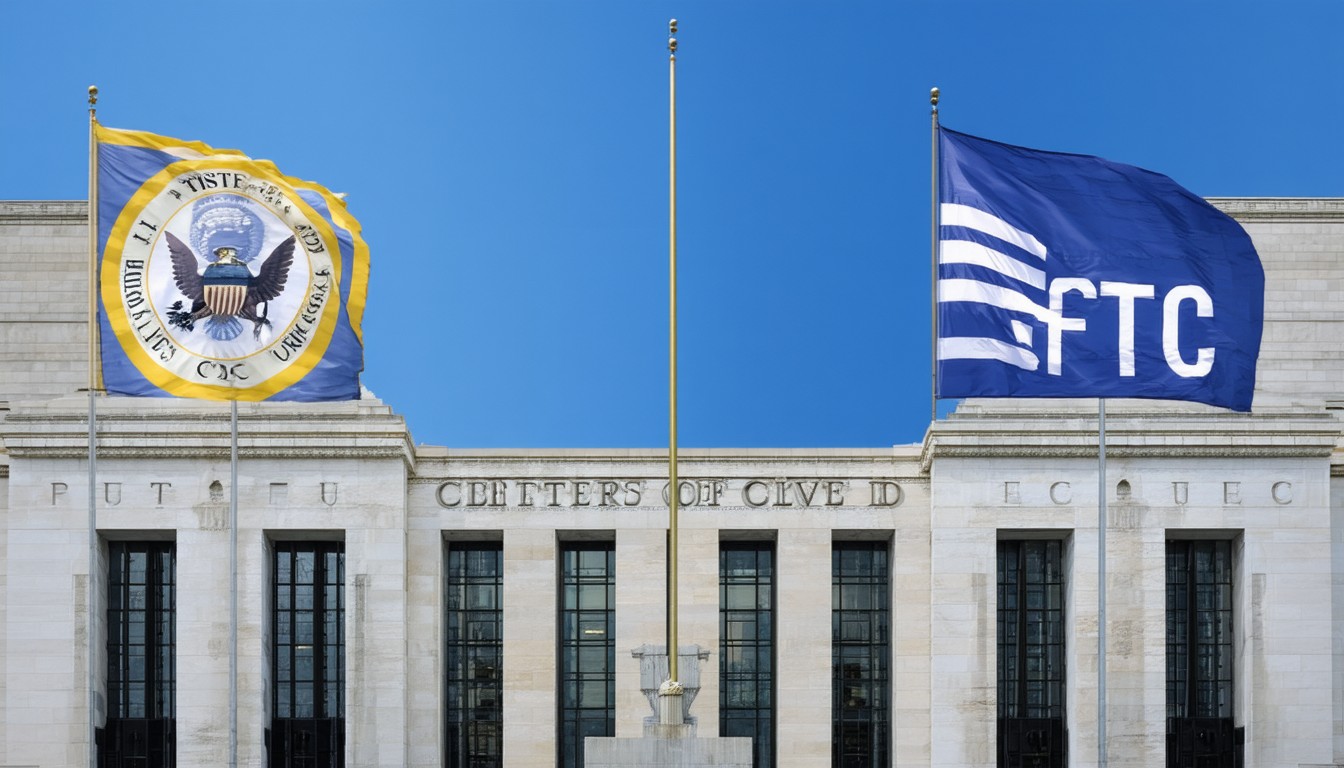
In the intricate landscape of U.S. financial regulation, the roles of the Securities and Exchange Commission (SEC) and the Commodity Futures Trading Commission (CFTC) stand as foundational pillars. Both agencies influence trillions of dollars in market activity and yet serve distinctly different mandates. As new asset classes—most recently, cryptocurrencies—blur traditional boundaries, clarity on the SEC and CFTC’s responsibilities, authority, and impacts has never been more essential.
Financial professionals, retail investors, and regulated entities face a patchwork of compliance obligations based on whether products are deemed securities or commodities. This bifurcation not only shapes regulatory strategy but also frequently intersects in high-profile enforcement actions, congressional hearings, and market innovation.
The SEC: Mandate and Mechanisms for Securities Market Oversight
The Securities and Exchange Commission operates as the principal federal regulator for securities. Established in 1934 after the Great Depression-induced market failures, the SEC’s core mission is to protect investors, maintain fair and efficient markets, and facilitate capital formation.
Key Regulatory Functions
The SEC achieves its mandate through several core functions:
- Registration and Disclosure: Most securities offerings must be registered with the SEC unless exempt. This process aims to provide transparency and prevent fraudulent activities.
- Enforcement: The Commission investigates insider trading, accounting fraud, and misleading statements. Enforcement actions routinely result in fines, bans, and even criminal referrals.
- Rulemaking and Guidance: The SEC continuously updates regulations to address new risks—such as rules for electronic trading or, more recently, special purpose acquisition companies (SPACs).
Market Impact and Case Example
Consider the SEC’s oversight of initial public offerings (IPOs) and public company reporting. In 2022 alone, the agency undertook hundreds of enforcement actions yielding billions in penalties. Recent high-profile cases, such as the charges against certain crypto offerings deemed unregistered securities, underscore its reach.
“The SEC’s ability to adapt regulation to evolving markets is critical for investor protection,” notes former SEC Chair Mary Schapiro. “Balancing innovation with oversight remains an ongoing challenge.”
The CFTC: Safeguarding Derivatives and Commodity Markets
The Commodity Futures Trading Commission, by contrast, focuses on the integrity of the U.S. derivatives markets. Created in 1974, the CFTC regulates futures, swaps, and options on commodities—including everything from agricultural products to financial indices.
Principal Roles and Responsibilities
The CFTC’s mandate encompasses:
- Market Surveillance: Monitoring trading in futures and options to detect price manipulation, fraud, and abusive practices.
- Registration and Compliance: Ensuring commodity exchanges, clearinghouses, and brokerage firms comply with rigorous operational and financial standards.
- Risk Mitigation: Overseeing systemic risk in derivatives markets, particularly after the 2008 financial crisis exposed critical gaps.
Real-World Scenario
Commodities markets uniquely impact price stability in essential goods. For example, wheat or oil futures contracts directly influence physical supply chains and cost structures. The CFTC’s intervention in cases of attempted manipulation—such as the 2008 crude oil price investigation—showcases its market protection remit.
Key Differences Between the SEC and CFTC
While both agencies protect market integrity, their jurisdictions and regulatory philosophies diverge in material ways.
Asset Coverage
- SEC: Primarily governs stocks, bonds, mutual funds, and most investment contracts—essentially, “securities” as defined under the Howey Test.
- CFTC: Oversees futures, swaps, and options on commodities, whether agricultural, energy, or financial.
Jurisdictional Overlap and Conflict
A growing area of friction lies in the treatment of digital assets like cryptocurrencies. Some tokens are classified as securities under SEC guidance, while others—Bitcoin, for example—are viewed as commodities subject to CFTC rules. Conflicting regulatory actions have led to court challenges and calls for clearer congressional direction.
Enforcement Powers and Approach
Although both agencies wield enforcement authority, the SEC’s scope frequently leads to higher-profile prosecutions, while the CFTC’s specialized expertise centers on derivatives and physical market impact.
How SEC and CFTC Coordination Shapes Modern Regulation
In recent years, events such as the meme stock phenomenon, volatility spikes, and the rapid rise of digital assets have forced the SEC and CFTC into closer coordination. Both agencies participate in joint task forces, such as the Financial Stability Oversight Council, to address systemic risk and overlapping product classes.
- Joint Rulemaking: Shared frameworks for swaps and systemic risk.
- Enforcement Collaboration: Parallel investigations—for instance, in cryptocurrency fraud.
- Policy Alignment: Testimony before Congress often includes joint recommendations on regulatory gaps.
This collaboration doesn’t erase all inconsistencies but demonstrates a pragmatic approach to shared concerns in an increasingly interconnected market.
Evolving Challenges: Digital Assets and Regulatory Turf Wars
The rise of decentralized finance (DeFi) and crypto has further complicated jurisdictional boundaries. Digital assets often defy neat categorization, leading to headline-grabbing disputes between the SEC and CFTC.
For example, in 2023, both agencies launched enforcement actions against major cryptocurrency platforms—sometimes for overlapping conduct but different violations. Congressional proposals now seek to clarify jurisdictional lines, but a clear roadmap remains elusive, leaving market participants in regulatory limbo.
Conclusion: Navigating an Evolving Regulatory Environment
Understanding the differences between the SEC and CFTC is essential for financial market participants. While the SEC protects securities markets and investors, the CFTC safeguards commodity derivatives and market stability. Growing overlap—especially in the digital asset arena—underscores the need for coordination and future regulatory clarity.
For firms and investors, staying abreast of both agencies’ evolving guidance is not just a compliance necessity but a strategic advantage in navigating U.S. capital and derivatives markets.
FAQs
What is the primary difference between the SEC and CFTC?
The SEC regulates securities markets, including stocks and bonds, while the CFTC oversees commodity futures, options, and swaps markets.
Which agency governs cryptocurrencies?
Both agencies play a role; the SEC regulates tokens deemed securities, while the CFTC oversees cryptocurrencies considered commodities, such as Bitcoin.
Can one company be regulated by both the SEC and CFTC?
Yes, especially firms offering products or services that cross securities and commodities lines—such as certain crypto platforms or financial intermediaries.
How do the SEC and CFTC collaborate?
They coordinate through joint task forces, share information during investigations, and sometimes jointly propose rules addressing systemic risks or overlapping products.
Why is it important to understand the distinction between the SEC and CFTC?
Clear knowledge of each agency’s remit helps compliance professionals, investors, and product issuers navigate complex regulatory requirements and avoid costly enforcement actions.
Has Congress clarified the SEC and CFTC’s roles in digital assets?
There have been legislative proposals, but as of now, no comprehensive law fully defines each agency’s responsibilities over digital asset markets.




















Leave a comment