


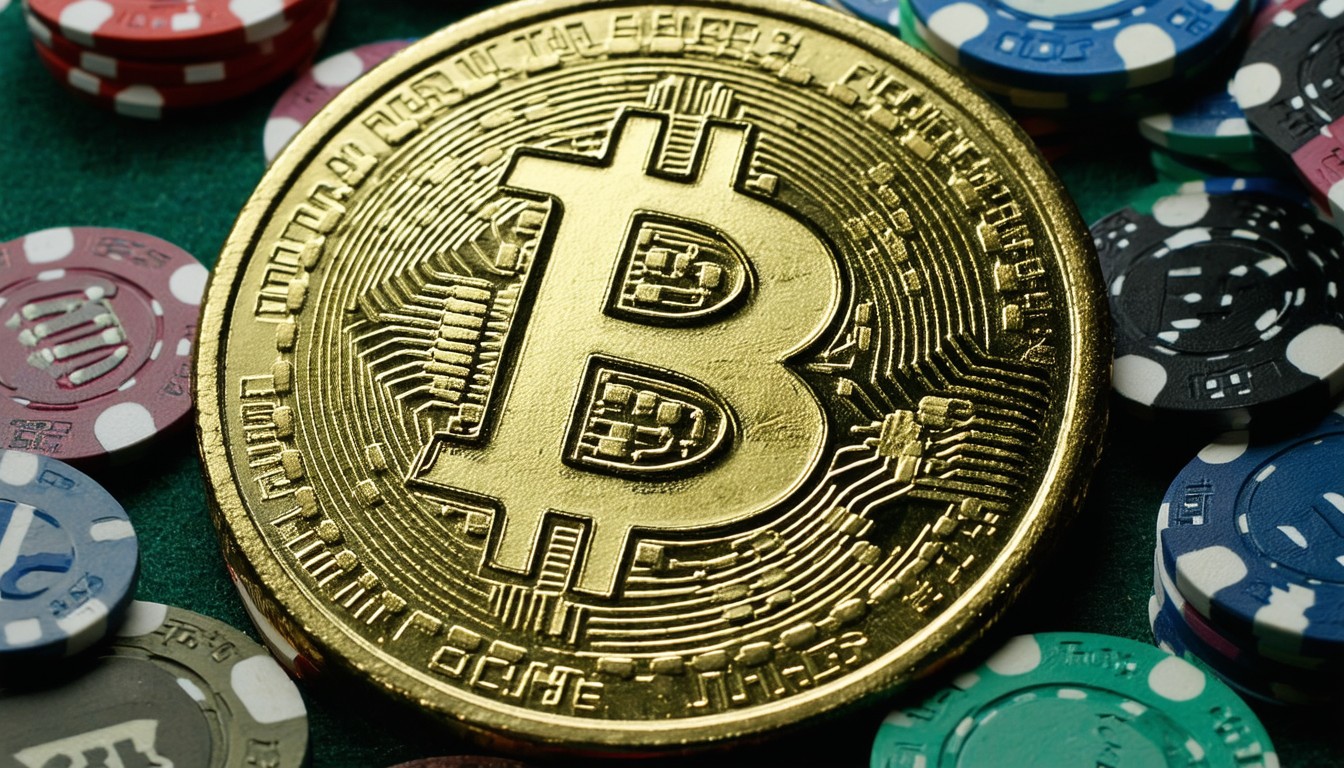
The intersection of Bitcoin and online gambling has given rise to a dynamic shift within the digital gaming landscape. As cryptocurrencies become more mainstream, a growing segment of online casinos and sportsbooks now accept Bitcoin for deposits, wagers, and withdrawals. This evolution isn’t just about convenience; it reflects changing attitudes toward privacy, financial autonomy, and global accessibility in the world of digital wagers. For years, the online gambling industry has struggled with payment restrictions, banking delays, and privacy concerns—challenges that Bitcoin, with its decentralized and pseudonymous design, is increasingly equipped to solve.
Key Benefits of Using Bitcoin for Online Gambling
Enhanced Privacy and Anonymity
Bitcoin’s underlying technology ensures that transactions can be made with a degree of anonymity often unattainable through conventional payment methods. While no transaction is entirely private, gambling with Bitcoin typically does not require the sharing of personal banking data, lending users a welcome layer of privacy.
“One of the primary appeals of Bitcoin gambling lies in the reduced friction it offers for users who prioritize confidentiality over traditional verification.”
— Elena Papachristou, iGaming industry analyst
In practice, this means players only need a crypto wallet address, sidestepping standard KYC (Know Your Customer) requirements at some platforms.
Speed and Global Accessibility
Traditional banking transfers, including credit card or wire payments, can take days to process—especially when crossing borders or during weekends. Bitcoin radically shortens this timeline. Transfers are typically completed within minutes or, at most, a few hours—regardless of the user’s location.
Moreover, Bitcoin is not limited by national financial restrictions, making it possible for individuals in regions with restrictive gambling laws or limited banking infrastructure to participate in global gaming markets.
Lower Transaction Fees
For high-volume or frequent players, transaction fees can chip away at winnings. Bitcoin’s decentralized network allows for lower transaction costs compared to many traditional payment processors. While network congestion can cause fluctuations, most users experience more favorable fees with crypto-based transactions than with credit cards or bank wires.
Provable Fairness and Blockchain Transparency
Many Bitcoin gambling sites leverage blockchain technology to offer “provably fair” games—an innovation that allows users to independently verify the fairness of each wager or game round. This is a distinct advantage over most traditional online casinos, where trust often relies wholly on regulatory body oversight.
Risks and Regulatory Concerns in Bitcoin Gambling
Volatility and Value Fluctuations
Unlike fiat currencies, Bitcoin is notorious for its price volatility. Winnings in Bitcoin could gain or lose significant value in a matter of days. A player might withdraw their tokens only to find that the market value has shifted dramatically, impacting real-world purchasing power.
Navigating Legal and Regulatory Uncertainties
Online gambling regulations vary dramatically by jurisdiction, and the legal status of Bitcoin gambling is often ambiguous. Some countries have outlawed both online gaming and cryptocurrency use, while others operate in regulatory gray areas.
International players should verify the legal environment in their own countries before participating. Even where sites accept players, recourse may be limited in the event of disputes due to the decentralized and offshore nature of many Bitcoin gambling operators.
Security and Irreversible Transactions
With great freedom comes added responsibility. Bitcoin transactions are irreversible, and a misstep—whether due to a scam site, hacking incident, or simple user error—can lead to permanent loss of funds. Unlike mainstream banks, there are no chargebacks. Security awareness is essential: users should employ reputable wallets, use two-factor authentication, and select well-reviewed gambling platforms.
Limited Consumer Protections
Even on legitimate platforms, consumer protections are generally weaker than in regulated fiat gambling environments. Third-party dispute mediation is uncommon, and support may be insufficient when dealing with offshore operators.
Getting Started: How to Use Bitcoin for Online Gambling
Step 1: Obtain Bitcoin
- Choose a reputable crypto exchange: Popular options include Coinbase, Binance, and Kraken.
- Purchase Bitcoin: Fund your account with fiat currency and trade for Bitcoin.
- Secure your Bitcoin: Withdraw to a private crypto wallet rather than leaving funds on the exchange.
Step 2: Select a Trusted Bitcoin Gambling Platform
- Research: Look for platforms with verified licenses, strong community feedback, and transparent fairness protocols.
- Sign up: Register using basic information or wallet address, depending on the site’s requirements.
Step 3: Deposit Funds
- Locate your deposit address: Each site generates a unique Bitcoin address for deposits.
- Initiate transfer from your wallet: Send the desired amount, considering transaction fees and minimums.
Step 4: Play Responsibly
- Choose your games: Options include slots, roulette, poker, blackjack, dice games, and sports betting.
- Set limits: Stay within a comfortable budget, given Bitcoin’s price swings.
Step 5: Withdraw Winnings
- Initiate withdrawal: Provide your Bitcoin wallet address.
- Confirm and track: Withdrawals are often processed quickly, but always double-check addresses to avoid irreversible errors.
Real-World Examples and Industry Adoption
Leading online casinos such as BitStarz, mBit, and FortuneJack have emerged as industry benchmarks in the Bitcoin gambling space, attracting international players with thousands of game choices, lightning-fast withdrawals, and provable fairness systems. Many platforms now diversify their crypto support, accepting Ethereum, Litecoin, and stablecoins, reflecting the digital currency evolution within online gaming.
Regulatory trends are also shifting. For example, the UK Gambling Commission and Malta Gaming Authority have begun outlining policies for crypto gambling operators, though frameworks are still evolving. Meanwhile, a significant share of gambling traffic now comes from markets where Bitcoin helps bypass payment restrictions or enhances privacy, particularly in certain parts of Asia, Eastern Europe, and South America.
Conclusion: Evaluating Bitcoin’s Place in Online Gambling
Bitcoin has fundamentally altered online gambling, empowering players with privacy, speed, and global access while introducing new considerations around volatility and personal security. The technology attracts both enthusiasts seeking fair play and those desiring to bypass traditional restrictions, yet the path is not without risk.
A prudent approach is essential: users should remain vigilant about platform trustworthiness, follow responsible gaming guidelines, and stay updated on regional law changes. As crypto adoption accelerates and regulators catch up, the integration of Bitcoin into online gambling is likely to deepen, shaping the industry’s next chapter.
FAQs
Is Bitcoin gambling legal in my country?
The legality of Bitcoin gambling depends on local laws regarding both online gambling and cryptocurrencies. Always consult regional regulations or seek legal advice before participating.
How do I choose a safe Bitcoin gambling site?
Look for platforms that possess reputable licenses, transparent fairness mechanisms, active community reviews, and responsive customer support. Prioritizing established brands reduces the risk of fraud.
Are Bitcoin gambling winnings taxable?
Tax treatment of crypto gambling winnings varies widely. In some jurisdictions, winnings are considered taxable income, while others may not address crypto gambling specifically. Consult a tax professional for guidance.
What happens if I make a mistake with a Bitcoin transaction?
Bitcoin transfers are irreversible. If funds are sent to the wrong address or a scam site, recovery is highly unlikely. Always double-check addresses and only use trustworthy platforms.
Can I use cryptocurrencies other than Bitcoin for gambling?
Many major crypto gambling sites now support alternatives like Ethereum, Litecoin, and even stablecoins. However, Bitcoin remains the most widely accepted cryptocurrency for online gaming.
Why do some sites require KYC if Bitcoin is supposed to be anonymous?
While Bitcoin transactions are pseudonymous, regulatory obligations in some countries require operators to identify users, especially for large transactions or to comply with anti-money laundering (AML) laws.




















Leave a comment