


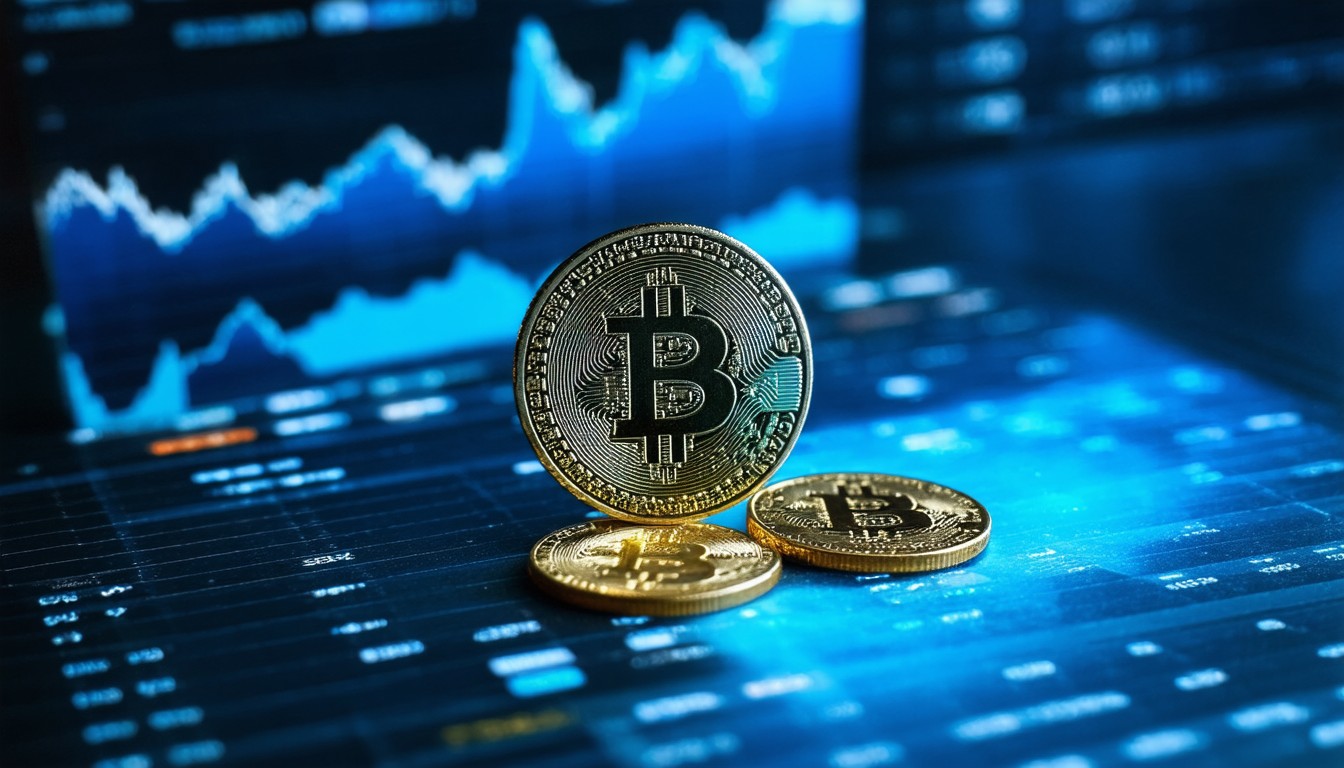
Ripple’s XRP remains one of the most closely watched cryptocurrencies, with its live price movements indicative of both broader market sentiment and specific regulatory events. For traders, investors, and blockchain industry observers, the daily fluctuations of XRP serve as more than just numbers on a chart—they offer insight into evolving attitudes toward digital payments, cross-border transactions, and the maturation of the crypto market as a whole.
At the heart of XRP’s value proposition is its unique role in facilitating real-time, low-cost international payments. Unlike many cryptocurrencies that primarily act as a store of value or speculative asset, XRP serves an explicit function for financial institutions using RippleNet. Yet, this utility coexists with high-profile legal disputes and volatile trading dynamics, making XRP’s price analysis a complex and multifaceted endeavor.
Live XRP Price Trends: Influencing Factors
Market Sentiment and Macro Forces
The price of XRP today is shaped by a mixture of macroeconomic influences and crypto-specific factors. In recent years, digital assets as a class have shown increased sensitivity to global monetary policy changes. When central banks alter interest rates or issue warnings about inflation, ripple effects are immediately felt across the top cryptocurrencies—including XRP.
Additionally, investor sentiment often shifts rapidly in response to headlines related to regulatory action. The prolonged legal battle between Ripple Labs and the U.S. Securities and Exchange Commission (SEC) has been a rollercoaster for price stability. While a court ruling in mid-2023 that partially favored Ripple provided a jolt to XRP valuation, subsequent appeals and ongoing regulatory scrutiny continue to inject uncertainty and keep prices in flux.
On-Chain Activity and Ecosystem Growth
Beyond regulatory developments, on-chain activity within the Ripple network also plays a key role. Increased network usage, new partnerships, or announcements of banks adopting RippleNet’s technology can drive positive momentum for XRP. Conversely, low transaction volumes or setbacks in network upgrades may weigh down the token’s price.
Real-world adoption stories often illustrate this dynamic. When a prominent payment provider integrates RippleNet, XRP frequently experiences a short-term price boost as traders anticipate growing demand for transaction liquidity. Over the long term, consistent partnership growth can translate into a stronger market position and price resilience.
Technical Analysis: Support, Resistance, and Volatility
Key Chart Patterns and Indicators
When analyzing XRP’s price today, traders commonly employ technical analysis to identify entry and exit points. XRP’s price charts frequently display recognizable patterns—ranging from bullish pennants during periods of rapid growth to bearish descending channels during extended corrections.
Common technical indicators used by market participants include:
- Relative Strength Index (RSI): Used to spot potentially overbought or oversold conditions.
- Moving Averages (MA): The 50-day and 200-day MAs are watched for signals of trend reversals.
- Bollinger Bands: Helpful for flagging periods of high price volatility, which are common in XRP’s trading history.
Volatility, both a challenge and an opportunity, often defines XRP’s intraday performance. Large price swings can be triggered by sudden news events or high-volume trading activity, especially on major exchanges.
Support and Resistance Levels
A look at historical price action shows that XRP tends to find strong support and resistance around psychologically significant price points, such as $0.50, $1.00, and $1.50. Breaching these levels can lead to quick surges or rapid declines, as traders and algorithms respond to breakouts or breakdowns.
“In the world of digital assets, price psychology is powerful. XRP’s major support and resistance levels often act as self-fulfilling prophecies, with large buy and sell orders clustering around these points,” notes Miguel Sanchez, a veteran crypto market analyst.
Regulatory Landscape and Its Ripple Effect
Legal Battles With Global Impact
XRP’s price has, arguably, been more influenced by the regulatory climate than almost any other top token. The ongoing SEC lawsuit alleging that XRP is an unregistered security propelled prices to multi-year lows when the case was first announced. However, partial legal victories for Ripple have periodically lifted prices and renewed optimism.
The significance of this case extends beyond a single cryptocurrency. Its outcome may set a precedent for how tokens are classified and regulated in the United States and abroad. As a result, each legal update has tended to cause sharp and immediate XRP price adjustments—with secondary effects felt in altcoin markets.
International Regulation and Cross-Border Use
While U.S. regulation garners most headlines, international developments play a parallel role. Some jurisdictions, notably in Asia and Europe, have provided clearer frameworks for digital asset transactions. This regulatory certainty can benefit Ripple’s cross-border payment ambitions and, by extension, contribute to XRP’s perceived value stability.
In practice, large financial institutions are cautiously optimistic about digital asset adoption, but often wait for settled regulatory guidance before committing to broad XRP use in mainstream payment systems.
Real-World Adoption: Case Studies and Recent Developments
Financial Partnerships as a Price Catalyst
XRP’s practical use in facilitating swift cross-border payments continues to garner attention from financial services companies. Banks across Japan, the Middle East, and Latin America have piloted or adopted RippleNet technology to enhance payment efficiency. These partnerships rarely go unnoticed by the market, and announcements can coincide with immediate and pronounced price activity.
For instance, a recent pilot involving a Latin American remittance company sparked short-term price optimism, as traders anticipated a ripple effect through broader adoption. However, the sustainability of such rallies often depends on follow-through—continued transaction growth and recurring use rather than one-off headline partnerships.
NFT and DeFi Innovations
More recently, efforts to expand the XRP Ledger’s functionality—for example, enabling NFT minting and decentralized finance applications—have captured the attention of both developers and investors. These innovations contribute to sustained ecosystem growth and may help diversify XRP’s utility beyond its core payments focus.
Strategic Takeaways: Navigating XRP Price Today
For those tracking or trading XRP, awareness of its dual nature—as a global payments facilitator and a speculative asset influenced by regulation—is crucial. Short-term pricing is often dictated by external events and technical chart signals, while medium- to long-term value depends on the continued success of RippleNet partnerships and regulatory clarity.
A measured approach, guided by both fundamental understanding and technical diligence, remains key. This is especially true during periods of heightened volatility when knee-jerk reactions to news can result in suboptimal decisions.
Conclusion
XRP’s live price today offers a window into larger narratives shaping the cryptocurrency sector—balancing real-world adoption potential against regulatory headwinds and market sentiment shifts. Whether driven by global payment innovation or court rulings, XRP continues to demand close attention from investors and industry analysts alike. Ultimately, successful navigation of XRP’s price landscape requires both a keen awareness of fast-moving news and a disciplined, strategy-first mindset.
FAQs
What is influencing XRP’s price today?
XRP’s price is shaped by global market trends, regulatory news (particularly the ongoing SEC lawsuit), network adoption rates, and technical trading signals. Real-world financial partnerships and legal outcomes consistently impact short-term movements.
How does XRP differ from other cryptocurrencies like Bitcoin?
XRP is designed for fast, low-cost international payments and is primarily used by financial institutions, while Bitcoin primarily serves as a decentralized store of value. XRP transactions settle in seconds and have minimal fees compared to Bitcoin’s network.
What role does regulation play in XRP’s price?
Regulation, especially major legal rulings in the United States, has a significant impact on XRP’s valuation. Regulatory clarity can attract institutional partners, while uncertainty or negative outcomes often dampen prices.
Are XRP’s recent partnerships boosting its value?
While new partnerships—such as remittance or bank integrations—often drive up XRP’s price in the short term, sustained value growth typically depends on ongoing ecosystem adoption and transaction volume.
Where can I see the live price of XRP?
The live XRP price is available on major cryptocurrency exchanges and aggregate price tracking sites, which update prices in real time and frequently include historical charts for reference.
















Leave a comment