


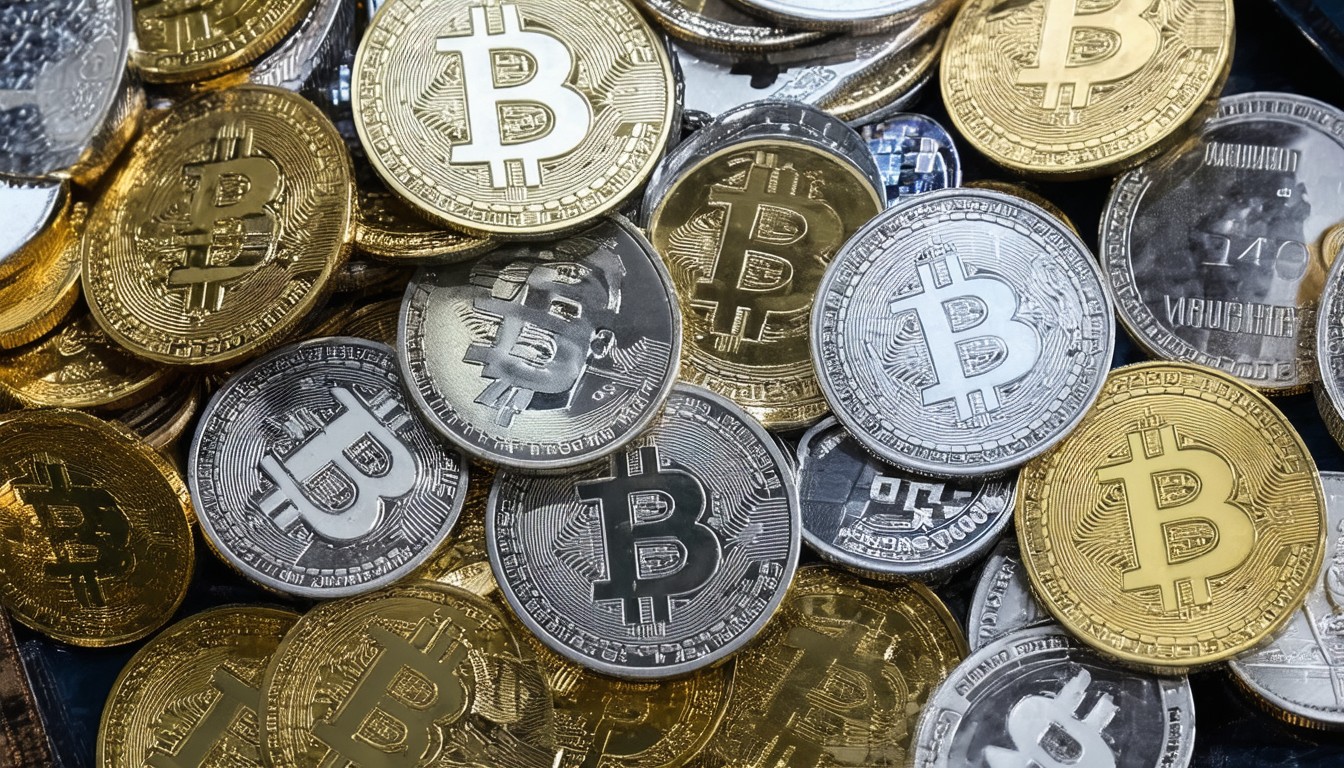
Over the past decade, the cryptocurrency market has evolved from a niche experiment to a significant financial frontier. While Bitcoin remains the most recognized name, altcoins—cryptocurrencies other than Bitcoin—have steadily claimed their share of attention and market capitalization. Many investors are now eyeing altcoins to buy with hopes of high growth potential, as some of these digital assets have achieved remarkable returns and introduced transformative technologies.
Unlike their early predecessors, today’s altcoin landscape features tokens underpinning decentralized finance (DeFi), smart contract platforms, non-fungible tokens (NFTs), and cross-chain interoperability. The growing utility and robust communities of these projects have not only broadened the crypto ecosystem but also unlocked new avenues for innovation—and risk.
Key Criteria for Selecting Promising Altcoins
Choosing which altcoins to buy can be daunting given the sheer volume of options. However, experienced crypto investors and analysts often consider the following factors:
Real-World Utility and Adoption
A central pillar of any successful altcoin is its practical use case. Whether facilitating cheaper cross-border payments, powering decentralized applications, or securing blockchain networks, altcoins with demonstrated utility tend to outperform speculative tokens over the long term. Ethereum’s dominance, for instance, is largely due to its early leadership in smart contracts and decentralized applications.
Technology, Roadmap, and Developer Community
The core technology of an altcoin, its upcoming features, and the vibrancy of its developer base often indicate future growth prospects. Projects with transparent roadmaps, regular upgrades, and active communities can adapt to changing market demands. For example, Solana’s fast transaction throughput and growing support among developers have made it a standout competitor among smart contract platforms.
Liquidity and Exchange Listings
Accessibility is another critical dimension. Altcoins listed on major exchanges with ample trading volume are generally less risky, as liquidity allows for easier entry and exit. Conversely, tokens limited to smaller exchanges can be subject to sharp price manipulations.
“Assessing an altcoin’s long-term potential goes beyond hype cycles. Look at its developer activity, community engagement, and unique problem-solving approach,” notes blockchain analyst Michael Carter.
Noteworthy Altcoins for Potential High Growth
While any investment carries risk, several altcoins have distinguished themselves through innovation, growth, and market relevance. Here’s a closer look at standout candidates that many crypto analysts monitor:
Ethereum (ETH): The Smart Contract Pioneer
Ethereum remains the foundation of decentralized applications. With the transition to Ethereum 2.0 ushering in proof-of-stake consensus, the ecosystem promises improved scalability and sustainability. The vast majority of DeFi and NFT projects still rely on Ethereum, contributing to persistent demand.
Strengths:
– Leading platform for DeFi, NFTs, and tokenization
– Large developer community
– Broad institutional support
Risks:
– Network congestion and high transaction fees (though declining post-upgrades)
Solana (SOL): High-Speed Performance
Dubbed the “Ethereum killer” by some, Solana offers astonishing transaction speeds at a fraction of Ethereum’s typical cost. Its thriving NFT market and growing DeFi ecosystem signal real-world adoption. In 2021 and 2023, Solana experienced meteoric price surges, cementing it as a top-ten cryptocurrency by market cap.
Strengths:
– Ultra-fast throughput (over 50,000 TPS in test environments)
– Expanding developer and user ecosystem
– Popular for NFT launches
Risks:
– Network outages and centralization concerns
Polygon (MATIC): Scaling the Blockchain
Polygon is a leading layer-2 solution designed to scale Ethereum. By facilitating faster and cheaper transactions, it draws a diverse set of DeFi and gaming projects. As Ethereum’s scaling needs remain acute, Polygon’s relevance—and price potential—continue rising.
Strengths:
– Lower transaction costs
– Compatible with leading Ethereum tools and dApps
– Active partnerships and integrations
Risks:
– Competition from other scaling solutions
Chainlink (LINK): Bridging Data and Blockchains
Chainlink’s decentralized oracle network underpins many DeFi projects by providing reliable real-world data to blockchain systems. Its first-mover advantage and robust partnerships have made it indispensable for smart contract functionality across chains.
Strengths:
– Near-ubiquity in DeFi protocols requiring external data
– Continuous product enhancements
Risks:
– Market dependence on broad DeFi growth
Avalanche (AVAX): DeFi and Interoperability
Avalanche boasts high throughput, low fees, and strong focus on DeFi and interoperability. The Avalanche Rush initiative has lured liquidity and developers to its platform, leading to a surge in total value locked (TVL) and user activity.
Strengths:
– Subnet architecture for custom blockchain deployments
– Rapid transaction settlement
Risks:
– Still less adopted than Ethereum; competitive landscape
Risks and Volatility in Altcoin Investments
Despite the high growth stories, the altcoin market remains volatile and risky. Flash crashes, regulatory uncertainties, and project failures have wiped out significant portions of investor wealth. Even top-performing altcoins can experience price swings of 20% or more in a single day.
Security, governance, and long-term viability are crucial concerns. Rug pulls and hacks in the DeFi sector highlight the importance of investor due diligence and caution. It’s also worth noting that the lack of regulation in some jurisdictions can lead to loss of recourse if projects collapse.
Diversification Strategies and Portfolio Management
Prudent investors rarely bet on a single altcoin. Diversification remains a time-tested approach to managing the sector’s inherent risks. Many crypto fund managers suggest a blend of established market leaders like Ethereum and Solana with smaller, innovative projects to balance potential rewards and downside protection.
Portfolio rebalancing—periodically adjusting allocations as market dynamics change—can help capture gains while mitigating excessive risks. Using dollar-cost averaging (investing a set amount at regular intervals) is another popular method to offset volatility.
Conclusion: Strategic Approaches to Altcoin Investment
Selecting which altcoins to buy for high growth potential involves more than just following the latest trend. Critical scrutiny of technology, adoption, and market fit, combined with rigorous risk management, is essential. While there’s no shortage of meteoric gains in the crypto world, the investment landscape is complex, dynamic, and best traversed with caution and strategy.
For those entering or expanding their exposure, starting with a diversified, well-researched portfolio—and a clear exit strategy—can help balance the upside of innovation with the realities of crypto volatility.
FAQs
How do I decide which altcoins to buy?
Consider the project’s technology, real-world use case, development activity, and community engagement. Reliable exchanges, robust liquidity, and transparent roadmaps are also good indicators of quality.
Are altcoins riskier than Bitcoin?
Generally, altcoins carry higher risk due to lower liquidity, less established track records, and greater potential for dramatic price swings. However, they also can offer greater upside if chosen carefully.
How much should I invest in altcoins?
Only invest what you can afford to lose, and avoid putting all your funds in one altcoin. Diversifying across multiple assets and sectors can help manage risk.
Can altcoins outperform Bitcoin?
Some altcoins, especially during early growth phases, have historically outperformed Bitcoin. However, that outperformance comes with increased risk and volatility.
What are signs an altcoin might fail?
Warning signs include lack of active development, poor communication from the team, minimal real-world adoption, and sudden or unexplained price spikes. Always research thoroughly before investing.















Leave a comment