


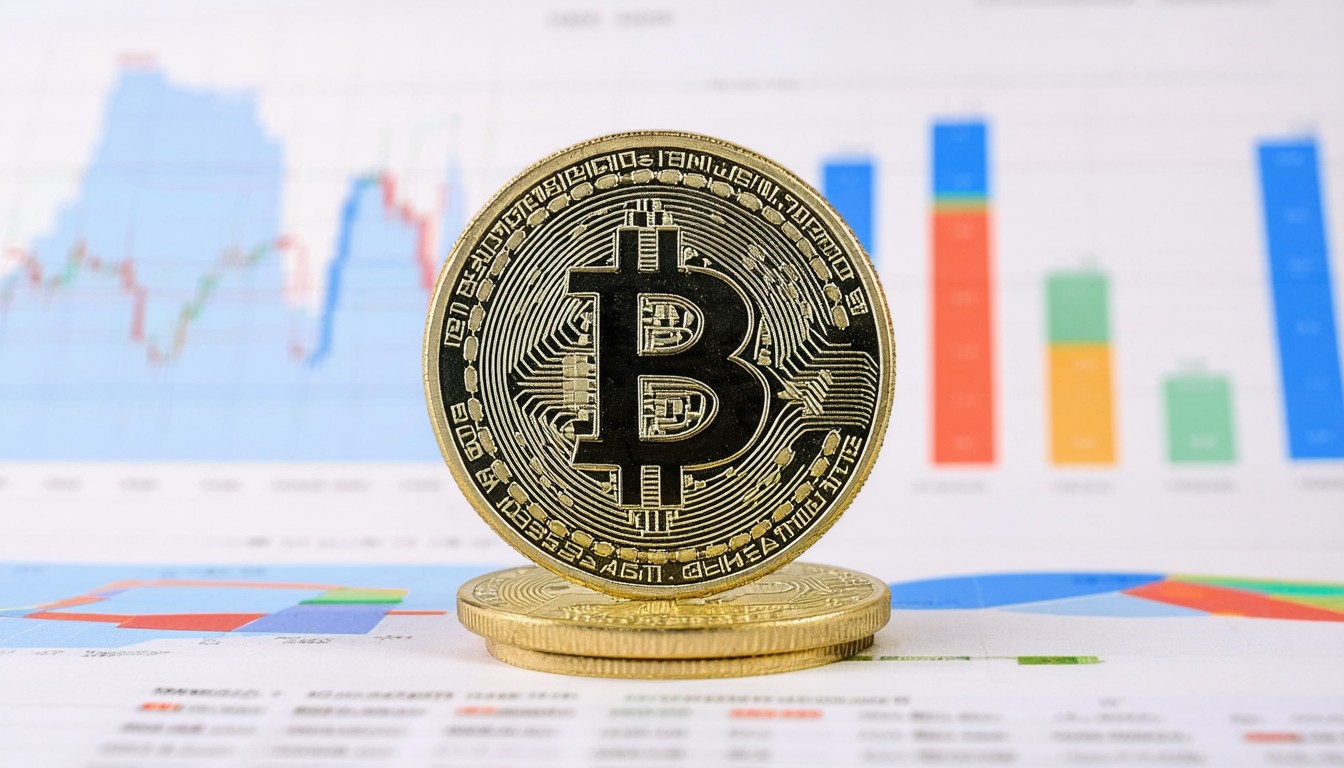
Bitcoin remains a barometer for the entire cryptocurrency ecosystem. Once regarded purely as a speculative asset or digital novelty, it is now firmly entrenched in mainstream finance, regulatory discussions, and technological innovation. Global headlines routinely report Bitcoin’s price movements, major regulatory shifts, and rapid adoption among institutions and individuals. Yet, beneath the daily volatility, deeper structural trends are quietly shaping Bitcoin’s role as digital gold, cross-border payment rail, and hedge against inflation.
Understanding the latest Bitcoin news isn’t just about tracking price spikes or regulatory headlines. It’s also about grasping how macroeconomic forces, network upgrades, institutional strategies, and evolving perceptions are influencing Bitcoin’s path forward. In this report, we unravel current developments, interpret market signals, and examine what’s on the horizon for the world’s most valuable cryptocurrency.
Major Bitcoin News: Price Movements, Institutional Adoption, and Regulatory Shifts
Tracking Bitcoin’s Price: Volatility and Market Sentiment
Bitcoin’s price is a headline magnet—and for good reason. Over the past year, it has weathered cycles of double-digit gains and sharp corrections, driven by a mix of macro signals and crypto-native events. Recent months have seen increased momentum, with Bitcoin setting new all-time highs or retreating sharply in response to shifts in U.S. monetary policy, liquidity flows, and regulatory news.
For example, the approval of spot Bitcoin ETFs in the United States attracted billions in inflows from institutional investors. This milestone not only signaled Wall Street’s growing comfort with digital assets but also increased Bitcoin’s liquidity and reduced barriers for mainstream uptake. However, price remains highly sensitive to global risk sentiment; announcements of central bank policy changes or geopolitical tensions often trigger sudden swings, underscoring Bitcoin’s dual identity as both risk asset and hedge.
Institutional Adoption: From Niche to Mainstream Holdings
Major financial firms, hedge funds, and public companies are increasingly allocating capital to Bitcoin. Leading payment processors such as PayPal, Square, and Visa have integrated Bitcoin buy/sell or payment features. Even conservative endowments and family offices are reportedly exploring positions as part of diversified alternative asset strategies.
“Bitcoin’s integration into institutional portfolios is no longer experimental. It’s moving toward strategic allocation, especially as traditional assets show themselves vulnerable to inflation and volatility,” says Julie Myers, an industry risk strategist.
El Salvador set a new precedent in global finance by making Bitcoin legal tender—a move echoed by select other governments and watched closely by peers. While institutional adoption is not without hurdles (notably, issues of custody, regulatory clarity, and volatility), its pace continues to redefine expectations for crypto’s role in 21st-century finance.
Regulation: Navigating a Complex Policy Landscape
One of the most closely watched sources of Bitcoin news is the ongoing evolution of regulations. In the United States and Europe, debates continue over how best to classify and supervise Bitcoin—not as a currency, a commodity, or a security, but as a new asset class requiring bespoke oversight. The passage of the Markets in Crypto-Assets (MiCA) framework in the European Union and continued SEC scrutiny in the U.S. reflect a global trend toward tightening oversight while aiming for investor protection and financial stability.
Meanwhile, countries such as Singapore, Switzerland, and the UAE position themselves as crypto-friendly jurisdictions, attracting startups and capital flows. On the other hand, China’s crackdown serves as a stark reminder of regulatory risk, pushing mining and trading activity into more permissive or decentralized domains.
Thematic Trends: Macro Forces, Technology, and Public Perception
Macroeconomics: Bitcoin’s Evolving Role Against Inflation and Fiat Risk
As inflation concerns and government debt levels rise worldwide, many investors and analysts have called attention to Bitcoin’s capped supply—a feature often contrasted against fiat currencies susceptible to monetary expansion. Institutions and high-net-worth individuals have turned to Bitcoin as a hedge against dollar weakness and sovereign risk, even as critics point to sustained price volatility.
Case studies abound: In countries facing currency debasement, such as Argentina and Turkey, peer-to-peer Bitcoin trading volumes tend to surge during bouts of local currency weakness. At the same time, periods of macro uncertainty highlight the asset’s unique value proposition alongside precious metals and real estate.
Technology Upgrades: Layer 2 and the Pursuit of Scalability
Beyond market narratives, recent Bitcoin news highlights technical progress. Ongoing development of Layer 2 scaling solutions (such as the Lightning Network) improves transaction throughput and reduces costs, positioning Bitcoin as a more practical medium of exchange. This technological evolution is quietly expanding Bitcoin’s use beyond passive investment—enabling microtransactions, cross-border remittances, and innovative use cases like micropayments for digital content.
Meanwhile, discussions around protocol upgrades or soft forks remain collaborative yet contentious, reflecting Bitcoin’s unique governance ethos: slow, cautious advancement that prioritizes decentralization and security.
Shifting Perceptions: Media, Culture, and Financial Literacy
Bitcoin’s cultural status has shifted dramatically. Once depicted as a curiosity or vehicle for dark markets, it is increasingly framed by media as a legitimate asset, a tool for financial sovereignty, and even an environmental concern. Critiques around mining energy use have prompted industry efforts to boost transparency, invest in green energy, and foster dialogue around sustainable crypto operations.
Finance and technology education platforms have responded in kind, expanding resources for newcomers and institutions alike. Podcasts, online courses, and major media coverage now routinely analyze Bitcoin alongside gold, stocks, and real estate—a testament to its normalization, even as debates over its long-term utility continue.
Real-World Examples: Bitcoin in Practice
Consider major payment networks enabling crypto payments: Visa’s crypto card initiatives allow users to spend Bitcoin at millions of merchants, while PayPal’s cryptocurrency dashboard broadens access for mainstream users. In wealth management, BlackRock’s Bitcoin ETF (IBIT) and Fidelity’s crypto services bring Bitcoin exposure to retirement portfolios—an unimaginable notion even five years ago.
Conversely, Nigeria has seen Bitcoin become a working-class tool to bypass currency controls and inflation. Grassroots adoption here outpaces formal banking infrastructure, demonstrating Bitcoin’s potential for financial inclusion far beyond its speculative reputation.
Conclusion: Navigating the Future of Bitcoin News
The latest Bitcoin news underscores a landscape rich with opportunity—and complexity. Investors, technologists, regulators, and everyday users must navigate a market where price action and regulatory developments intertwine with deeper structural shifts. As adoption expands, infrastructure matures, and regulatory clarity slowly emerges, Bitcoin’s story evolves from digital experiment to integral pillar of global finance. Whether for risk management, remittances, or speculation, Bitcoin’s unique blend of attributes continues to command global attention and debate.
FAQs
What factors drive the price of Bitcoin?
Bitcoin’s price is influenced by a complex mix of supply and demand, institutional investment, regulatory announcements, macroeconomic trends, and broader sentiment in financial markets.
How are governments and regulators responding to Bitcoin?
Regulatory responses vary widely: some countries tighten controls or ban activities, while others seek to foster innovation by providing clear legal frameworks and licensing for exchanges and custodians.
Why do institutions invest in Bitcoin?
Institutions view Bitcoin as a way to diversify portfolios, hedge against inflation, and gain exposure to an emerging asset class with high upside potential, despite its volatility.
What is the impact of Bitcoin on financial inclusion?
In regions with unstable currencies or restrictive banking systems, Bitcoin often serves as an accessible alternative, enabling cross-border payments and wealth preservation for underserved communities.
Are there environmental concerns with Bitcoin mining?
Yes, Bitcoin’s energy consumption has sparked debate. However, industry efforts are underway to increase transparency and shift toward renewable energy sources, especially in regions rich in clean power.
How can newcomers safely invest or use Bitcoin?
New users should conduct thorough research, use reputable exchanges and wallets, and remain mindful of regulatory guidelines and the inherent risks of volatile assets.




















Leave a comment