


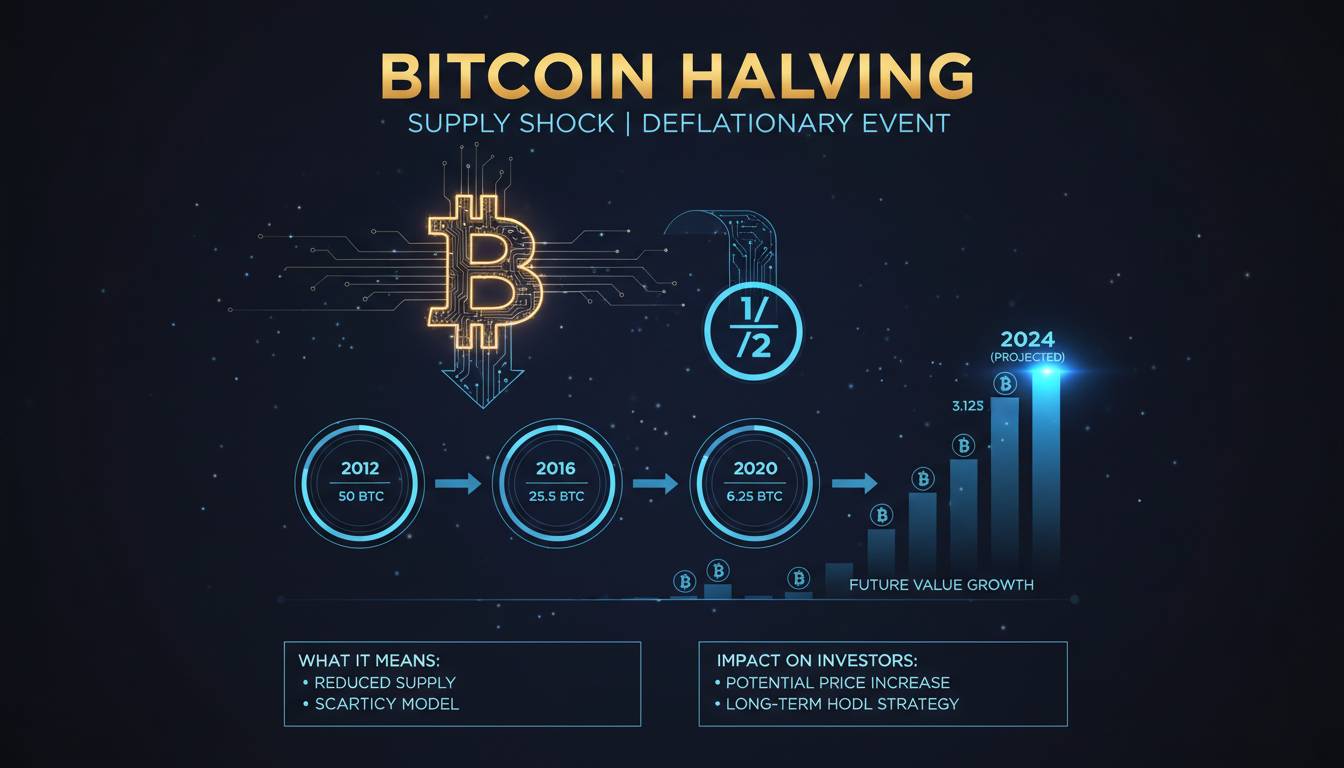
The Bitcoin halving is a pivotal event in the cryptocurrency world, and with the next one on the horizon, investors and market watchers are paying close attention. This article explores what the Bitcoin halving is, why it matters, how it affects investors, and what to expect in the coming years.
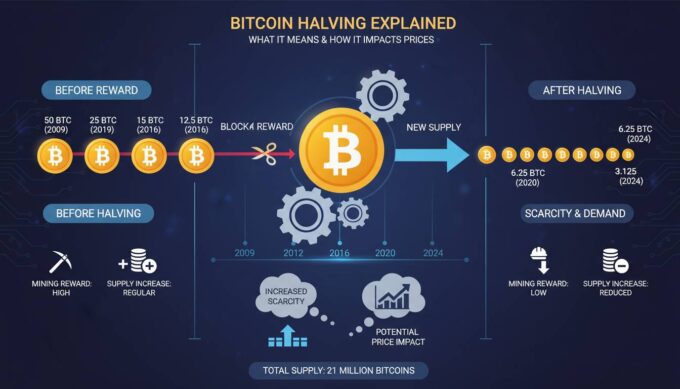
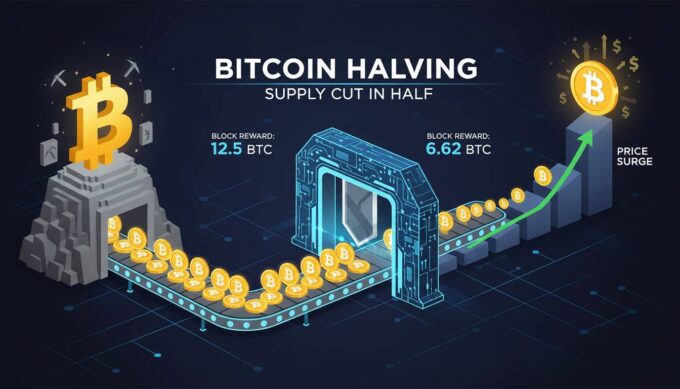
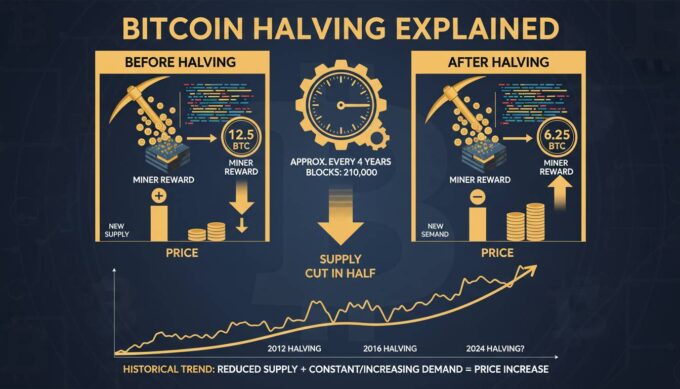
Bitcoin halving refers to the programmed reduction of the block reward that miners receive for validating transactions. This event occurs every 210,000 blocks—roughly every four years—and cuts the reward in half. The most recent halving occurred on April 20, 2024, reducing the reward from 6.25 BTC to 3.125 BTC per block . The next halving is expected around early to mid‑2028, when the reward will drop further to 1.5625 BTC .
What Is Bitcoin Halving?
Bitcoin halving is a built‑in mechanism in the Bitcoin protocol that reduces the issuance of new coins over time. It occurs every 210,000 blocks, which translates to approximately every four years . The process ensures that Bitcoin’s total supply remains capped at 21 million coins, reinforcing its scarcity and deflationary nature .
Historical Halvings
- 2012: Reward dropped from 50 BTC to 25 BTC
- 2016: Dropped from 25 BTC to 12.5 BTC
- 2020: Dropped from 12.5 BTC to 6.25 BTC
- 2024: Dropped from 6.25 BTC to 3.125 BTC
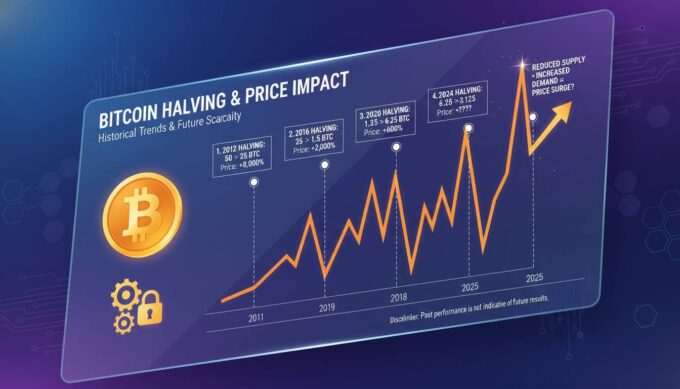
Each halving has historically preceded significant price rallies, though the magnitude and timing have varied.
When Is the Next Halving?
The next Bitcoin halving is projected to occur in early to mid‑2028 at block 1,050,000, reducing the block reward to 1.5625 BTC . Estimates vary:
- CoinCodex: First half of 2028
- EBC Financial Group: Between March and April 2028
- TokenTax: Mid‑April 2028 (April 16–20)
- CoinWarz: Around April 12, 2028
- Invesco: Around April 17, 2028
The exact date remains uncertain due to variable block times, but the consensus places the event in spring 2028.
Significance for Investors
Supply and Scarcity
Halving reduces the rate at which new Bitcoin enters circulation, reinforcing scarcity. With fewer new coins available, the inflation rate drops, and if demand remains steady or increases, price pressure may build .
Historical Price Trends
Past halvings have often triggered strong rallies:
- 2012–2013: Price surged from around $12 to over $1,000
- 2016–2017: Jumped from ~$680 to nearly $19,400
- 2020–2021: Climbed from ~$8,590 to over $66,700
However, these outcomes are not guaranteed. Market conditions, macroeconomic factors, and regulatory developments also play critical roles .
Mining Economics
Halving cuts miner revenue in half overnight. If Bitcoin’s price doesn’t rise to compensate, less efficient miners may shut down, potentially reducing network hash rate and affecting security . Over time, miners may rely more on transaction fees and improved hardware efficiency to maintain profitability .
Market Psychology and Volatility
Halving events often generate media attention and speculative interest, leading to heightened volatility both before and after the event . Investors may attempt to position ahead of the event, though such strategies carry risk.
What Investors Should Watch
- Hash rate and mining difficulty: Indicators of network health and miner resilience
- BTC issuance and inflation rate: Reflects supply dynamics
- Demand metrics: Institutional adoption, ETF flows, and retail interest
- Macro environment: Inflation, interest rates, and regulatory clarity
Strategic Approaches
- Long-term holders: May use dollar-cost averaging to accumulate gradually and avoid timing risk
- Traders: Could capitalize on volatility but should manage risk carefully
- Miners and infrastructure investors: Should assess cost efficiency, jurisdictional risks, and fee revenue trends
Analysis and Outlook
Bitcoin halving remains a cornerstone of its monetary policy, reinforcing scarcity and shaping market cycles. While historical patterns suggest bullish outcomes, each cycle is unique. The 2028 halving may coincide with broader institutional adoption, regulatory developments, and macroeconomic shifts.
Potential scenarios include:
- Bullish: Strong demand and favorable macro conditions drive a post-halving rally.
- Neutral: Market has priced in the halving; price remains range-bound.
- Bearish: Macro headwinds or regulatory setbacks dampen enthusiasm, limiting upside.
Miners face increasing pressure to optimize operations, while investors must balance optimism with caution. The halving underscores Bitcoin’s deflationary design, but its impact depends on complex, evolving dynamics.
Conclusion
Bitcoin halving is more than a technical event—it’s a defining moment that reshapes supply, market sentiment, and miner economics. With the next halving expected in spring 2028, investors should monitor key indicators, adopt disciplined strategies, and remain aware of broader market forces. While history offers clues, the future remains uncertain—and that uncertainty is part of what makes Bitcoin’s journey compelling.
Frequently Asked Questions
What is Bitcoin halving?
Bitcoin halving is a pre-programmed event that reduces the block reward by half every 210,000 blocks—roughly every four years—to control supply and reinforce scarcity.
When is the next Bitcoin halving?
The next halving is expected in early to mid‑2028, likely between March and April, when block 1,050,000 is mined and the reward drops to 1.5625 BTC .
How does halving affect Bitcoin’s price?
Historically, halvings have preceded significant price rallies due to reduced supply and increased scarcity. However, price outcomes vary and are influenced by demand, macro factors, and investor sentiment .
What impact does halving have on miners?
Halving cuts miner revenue in half, which can pressure less efficient operations. Miners may rely more on transaction fees, hardware efficiency, and cost management to stay profitable .
Should I invest before the halving?
Investment strategies vary. Long-term holders may use dollar-cost averaging to mitigate timing risk, while traders may seek to capitalize on volatility. Always assess your risk tolerance and market conditions .
Will halving guarantee price increases?
No. While past halvings have often led to price gains, future performance depends on multiple factors, including demand, regulation, and macroeconomic trends .












Leave a comment