


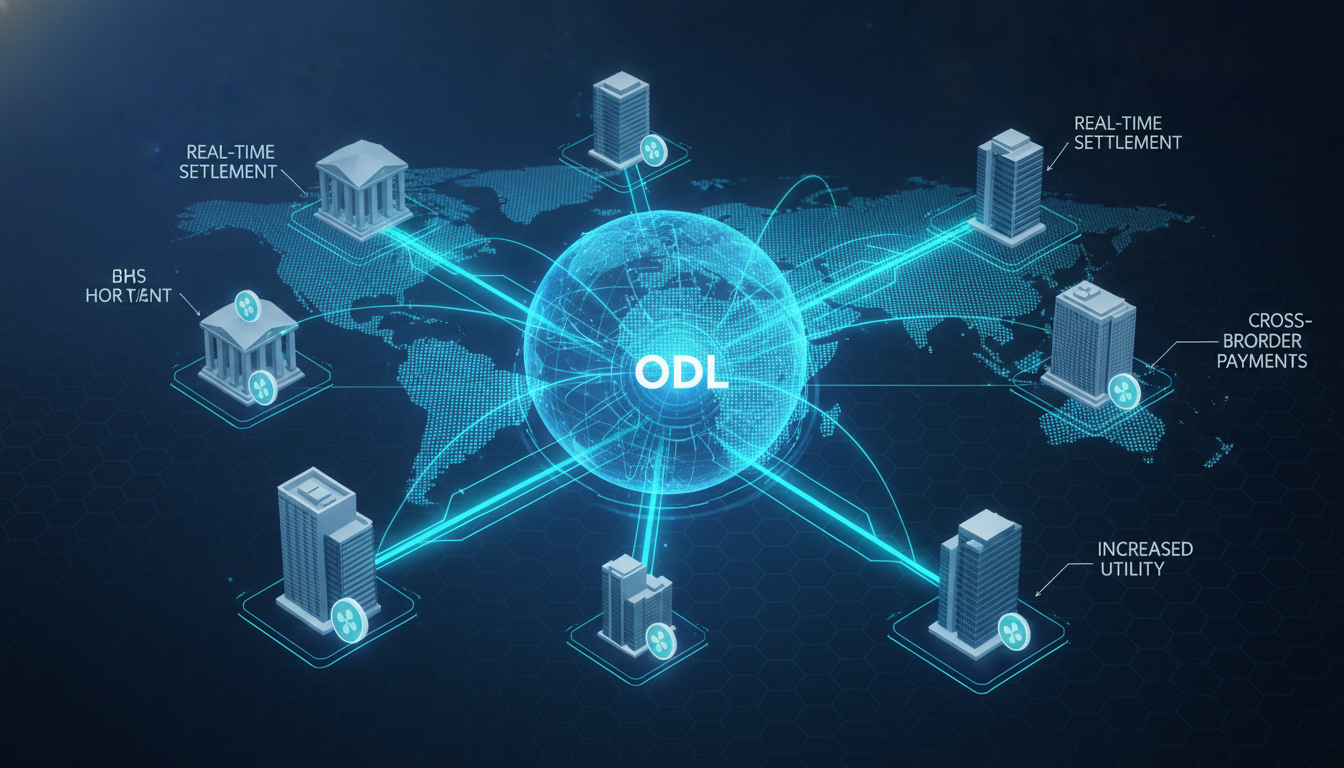
The Ripple ecosystem has seen a wave of institutional-grade upgrades, expanding programmability, compliance tools, strategic alliances, and tokenized real-world asset support. This latest surge is shaping how markets—especially investors—view XRP and the broader XRPL (XRP Ledger), even amid shifting capital patterns in early 2026.
Ecosystem Upgrades Driving Market Interest
Ripple launched major enhancements to XRPL, including advanced programmability with smart contracts and an EVM-compatible sidechain. These features open doors for DeFi and institutional use.
On top of that, new compliance tools—like flexible tokens, permissioned settings, identity protocols, and lending features—are directly targeting institutional requirements. These additions make XRPL more appealing to banks and regulated entities.
Simultaneously, wrapped XRP (wXRP) is coming to Ethereum and other chains, backed 1:1 with native XRP. This increases XRP’s accessibility for cross-chain trades, lending, and DeFi activity.
Real-World Asset Use and Strategic Partnerships
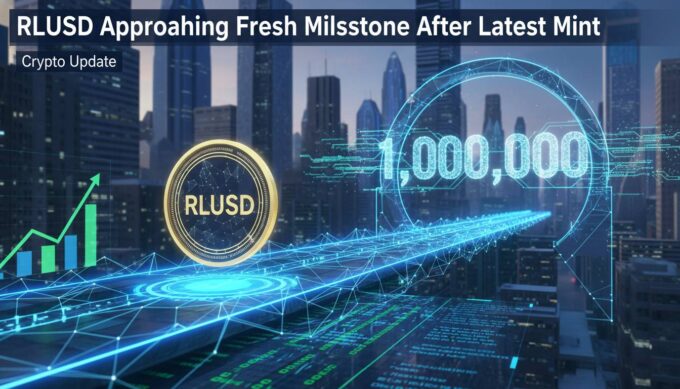
Ripple isn’t just upgrading its chain—it’s bringing real-world assets (RWAs) onto XRPL. Guggenheim’s tokenized U.S. Treasury debt (Digital Commercial Paper) now runs on the ledger, backed by real Treasuries and supported by Ripple’s $10M bet on integrating RLUSD stablecoin across both XRPL and Ethereum.
Beyond that, Ripple has forged heavyweight partnerships—from Santander and SBI Holdings to Tranglo—to expand On-Demand Liquidity corridors and boost cross-border settlement volumes.
Ripple’s developer initiative (RippleX) and UBRI academic funding continue strengthening XRPL’s future by supporting startups and university research.
Institutions and Infrastructure: A Real Push Forward
Investor confidence is evident via route reference. Ripple acquired prime broker Hidden Road, rebranding it Ripple Prime—the first crypto firm to operate a regulated prime broker bridging digital and traditional assets.
Meanwhile, Ripple raised $500M, reaching a $40B valuation, and partnered with Mastercard and Gemini to settle credit card transactions directly using RLUSD stablecoin.
In Asia, Ripple teamed up with DBS Bank and Franklin Templeton to enable institutional yield and repo strategies via XRPL, using RLUSD as a settlement token.
These moves signal that XRPL is being shaped as a core infrastructure layer for regulated financial flows—not just speculative trading.
Market Reaction: Mixed Sentiment Amid Shifts
Despite these upgrades, XRP prices have dropped around 50% over six months, as investor capital rotates toward early-stage DeFi projects offering quicker returns.
This suggests that while institutional utility builds momentum, it hasn’t yet captured speculative capital interest. Investors are shifting focus toward nimble ecosystems with immediate yield potential.
Expert Insight
“EVM compatibility will open XRP Ledger to a wide pool of developers already building on Ethereum. It’s a step forward in making XRP Ledger a more versatile platform.”
— David Schwartz, Ripple CTO
This quote underscores the strategic vision: unlock XRPL’s potential by welcoming Ethereum developers and bridging to real-world finance.
What It All Means
- The XRPL ecosystem is evolving into a robust, enterprise-ready infrastructure.
- Real-world assets, stablecoins, regulatory features, and strategic partnerships are meeting institutional needs.
- Market reaction reflects a shift—valuations now reflect long-term potential, not short-term hype.
- XRP may be undervalued today if institutional flows begin to materialize.
Conclusion
The Ripple ecosystem is transforming, layering programmability, compliance, stablecoins, and institutional integrations into a cohesive financial infrastructure. XRP’s price drop amid these developments reflects a rebalancing—speculative players are stepping back as institutional foundations form. If these upgrades deliver and capital returns, XRP could find a stronger, more stable valuation anchored in utility and trust.
FAQs
What recent technical upgrades has XRPL received?
XRPL has gained smart contract capabilities, EVM sidechain support, flexible tokens, permissioned tools, and lending features—all aimed at boosting institutional use and developer flexibility.
How are real-world assets being integrated into XRPL?
Ripple is supporting the tokenization of U.S. Treasury debt via Guggenheim’s Digital Commercial Paper, backed by real bonds and settled with RLUSD.
Why did XRP drop even with new ecosystem growth?
The broader crypto market in early 2026 favors high-yield, early-stage DeFi projects. XRP’s evolution takes longer, and capital has been rotating into those faster-return ecosystems.
How is Ripple expanding institutional access?
Ripple acquired Hidden Road and launched Ripple Prime (prime brokerage). It also partnered with Mastercard, Gemini, DBS, and Franklin Templeton to enable stablecoin settlement and yield strategies on XRPL.
What’s the significance of wrapped XRP (wXRP)?
wXRP lets XRP interact with Ethereum, Solana, and other networks safely. It enhances liquidity, cross-chain DeFi usage, and makes XRPL-based assets more accessible.














Leave a comment