


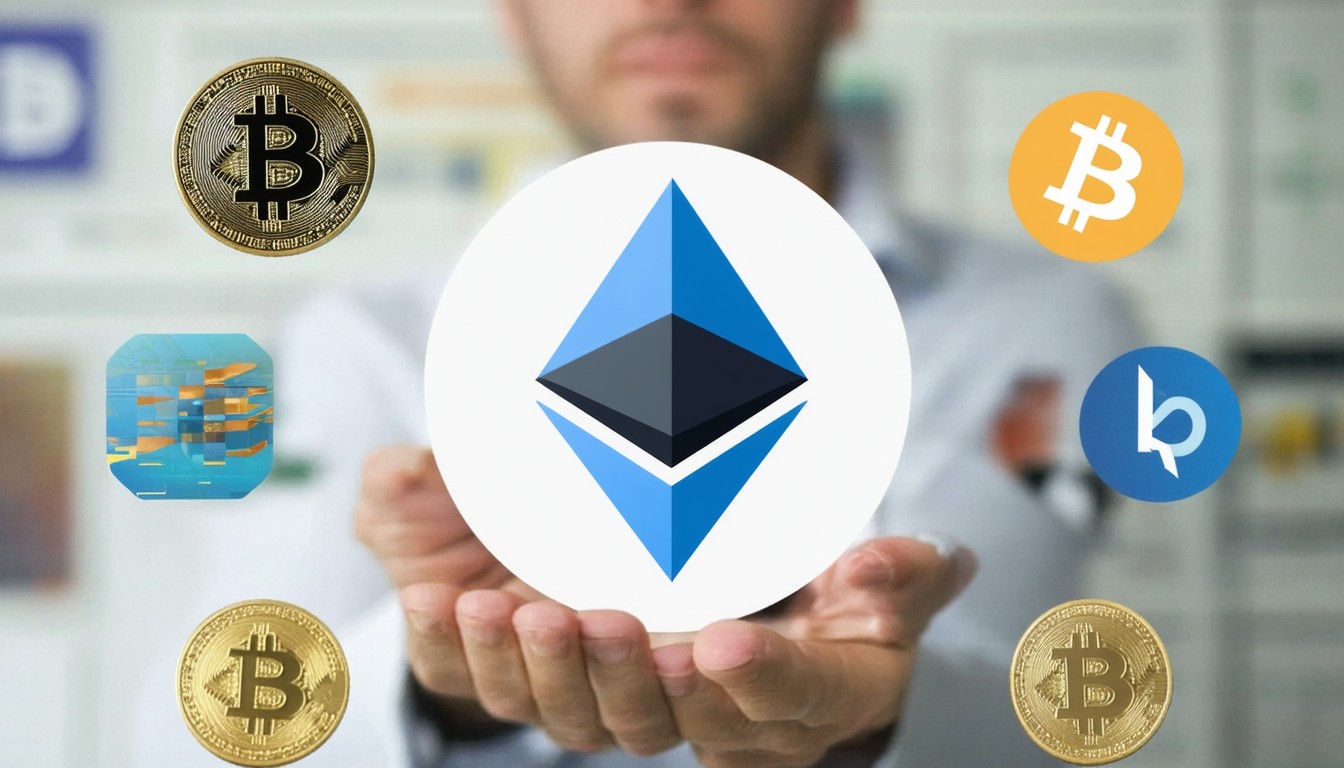
The cryptocurrency market has transformed from a speculative niche into a mainstream financial powerhouse, attracting individuals, institutional investors, and governments alike. In this rapidly shifting landscape, accurate and timely crypto news is indispensable. Developments around Bitcoin, Ethereum, altcoins, and blockchain technology directly influence investor sentiment, regulatory decisions, and the broader fintech industry. Against the backdrop of volatile price swings, regulatory debates, and technological breakthroughs, informed decisions hinge on up-to-date, reliable information.
Bitcoin: The Bellwether of Crypto Market News
Recent Developments Shaping Bitcoin’s Landscape
Bitcoin remains the flagship digital asset dominating headlines and market trends. Over the past year, surges and corrections in Bitcoin’s price have often mirrored global economic shifts and regulatory updates. For example, the approval of spot Bitcoin ETFs in several regions invigorated institutional interest and prompted significant inflows from traditional asset managers.
“Bitcoin remains the reference point for the entire digital asset ecosystem. Every major regulatory decision or institutional move echoes across altcoins and DeFi projects alike,” notes Angela Park, crypto market strategist at Blockview Capital.
Regulatory Shifts and Their Impact
Government stances on digital currencies continue to fluctuate. In the U.S., evolving SEC guidelines for Bitcoin ETFs and proposed taxation frameworks dominate policy discourse, altering investment approaches for both individuals and institutions. Globally, nations such as El Salvador embrace Bitcoin as legal tender, while others explore central bank digital currencies (CBDCs) to assert monetary control.
Institutional Adoption: Beyond Speculation
Far from being merely speculative, Bitcoin’s increasing adoption by payment platforms, hedge funds, and corporations signifies a maturing asset class. Notably, multinational giants like Tesla and MicroStrategy allocated significant portions of their treasuries to BTC, prompting a trend that other enterprises cautiously explore.
Ethereum and Smart Contract Innovation
Ethereum’s Ongoing Network Upgrades
As the foundational layer for decentralized applications (dApps), Ethereum stands apart for its ongoing technological evolution. The transition to a proof-of-stake consensus via the Merge has dramatically reduced its environmental footprint and set the stage for scalability solutions, such as sharding and layer-2 rollups. These advancements attract both developer talent and institutional capital invested in DeFi and NFT platforms.
DeFi, NFTs, and Expanding Use Cases
Ethereum’s ecosystem continues to be the cradle of DeFi protocols and NFT marketplaces, powering financial products, art, and collectibles with billions in locked value. However, competition from newer blockchains like Solana and Avalanche has intensified, spurring innovation—lower fees, faster settlement times, and enhanced composability.
Regulatory Scrutiny and Market Reactions
Regulators worldwide are increasingly attentive to Ethereum-based products, especially those involving stablecoins, DeFi lending, or tokenized securities. This scrutiny can sway markets rapidly. For instance, announcements about potential classification of some Ethereum-based assets as securities routinely provoke significant price and volume movements across exchanges.
Altcoins and Blockchain Startups: Driving Diversification
High-Profile Altcoin Rallies and Ecosystem Growth
Beyond Bitcoin and Ethereum, the landscape teems with thousands of alternative cryptocurrencies (altcoins) and blockchain startups. Projects like Cardano, Solana, and Polygon have carved out distinct niches, whether in smart contracts, scalability, or cross-chain interoperability. Fluctuations in altcoin prices often correspond to headline-grabbing technological milestones, exchange listings, or strategic partnerships.
Layer-1 and Layer-2 Solutions
The race for scalable, efficient infrastructure plays out between first-generation blockchains and solutions designed to enhance throughput and reduce congestion. Layer-2 rollups, sidechains, and cross-chain bridges receive heavy coverage in crypto news for their promise to alleviate bottlenecks that once plagued networks like Ethereum and Bitcoin.
Market Risks and Sudden Downturns
Despite promising innovations, the altcoin sector is prone to volatility and risk. Rug pulls, smart contract bugs, and exchange hacks periodically make headlines, reinforcing the need for rigorous due diligence and cautious investment.
Blockchain Beyond Currency: Real-World Adoption
Enterprise & Government Integration
Blockchain news increasingly covers adoption beyond cryptocurrency itself. Corporations deploy distributed ledger technology (DLT) for supply chain tracking, digital identity, and secure record-keeping. Governments pilot blockchain-based voting, land registries, and digital currency trials as part of broader digital transformation agendas.
Real-World Cases
- Supply Chains: IBM Food Trust’s partnership with major retailers highlights how blockchain can enhance transparency in food provenance.
- Healthcare: Startups explore blockchain for secure patient record transfers and health data privacy.
- Sustainability: Projects harness blockchain to verify carbon credits and combat fraudulent reporting in environmental markets.
Global Regulation: The Push and Pull of Policy
Differing Global Approaches
Crypto regulation varies dramatically from one jurisdiction to another. While some regions foster innovation with pro-crypto legislation, others restrict or outright ban digital asset activities. Europe’s Markets in Crypto-Assets (MiCA) framework aims for harmonization, while Asia presents a patchwork of friendly and restrictive policies.
The Ongoing Debate
Regulatory clarity remains high on the agenda for businesses and investors, as uncertainty can stifle innovation or lead to abrupt market selloffs. The dialogue around consumer protection, anti-money laundering (AML), and the legitimacy of stablecoins continues to shape market evolution.
Conclusion: Navigating the Crypto News Ecosystem
Accurate crypto news is more than headlines—it is the lifeblood of a rapidly transforming financial sector. Navigating the complexity of Bitcoin, Ethereum, altcoins, and blockchain trends requires a blend of technical insight, regulatory awareness, and a keen eye on both markets and technology. For investors, developers, and enthusiasts alike, maintaining a well-informed perspective is not just beneficial—it’s essential for seizing opportunities and managing risks in this next phase of digital finance.
FAQs
What are the best sources for reliable crypto news?
Reputable crypto news platforms like CoinDesk, The Block, and industry-respected financial outlets remain excellent sources. Always cross-reference breaking stories for accuracy before making any investment decisions.
How do regulatory changes affect cryptocurrency markets?
Regulatory announcements—such as approvals or bans—can cause rapid market shifts, impacting price and investor sentiment. They also reshape the competitive landscape for exchanges, wallets, and service providers.
Why is Ethereum often in the news alongside Bitcoin?
Ethereum’s evolving technology, especially around smart contracts and DeFi, fuels ongoing innovation and adoption. Its significance equals that of Bitcoin due to its foundational role in the broader crypto economy.
What risks should investors consider when following crypto news?
The rapid news cycle can amplify hype and fear, so discernment is essential. Sudden regulatory developments, network exploits, or misleading stories can lead to volatile price swings and financial losses.
How is blockchain technology being used outside of cryptocurrencies?
Blockchain underpins diverse initiatives in logistics, healthcare, supply chain management, and digital identity. Its ability to create immutable, verifiable records drives enterprise and government adoption worldwide.




















Leave a comment