


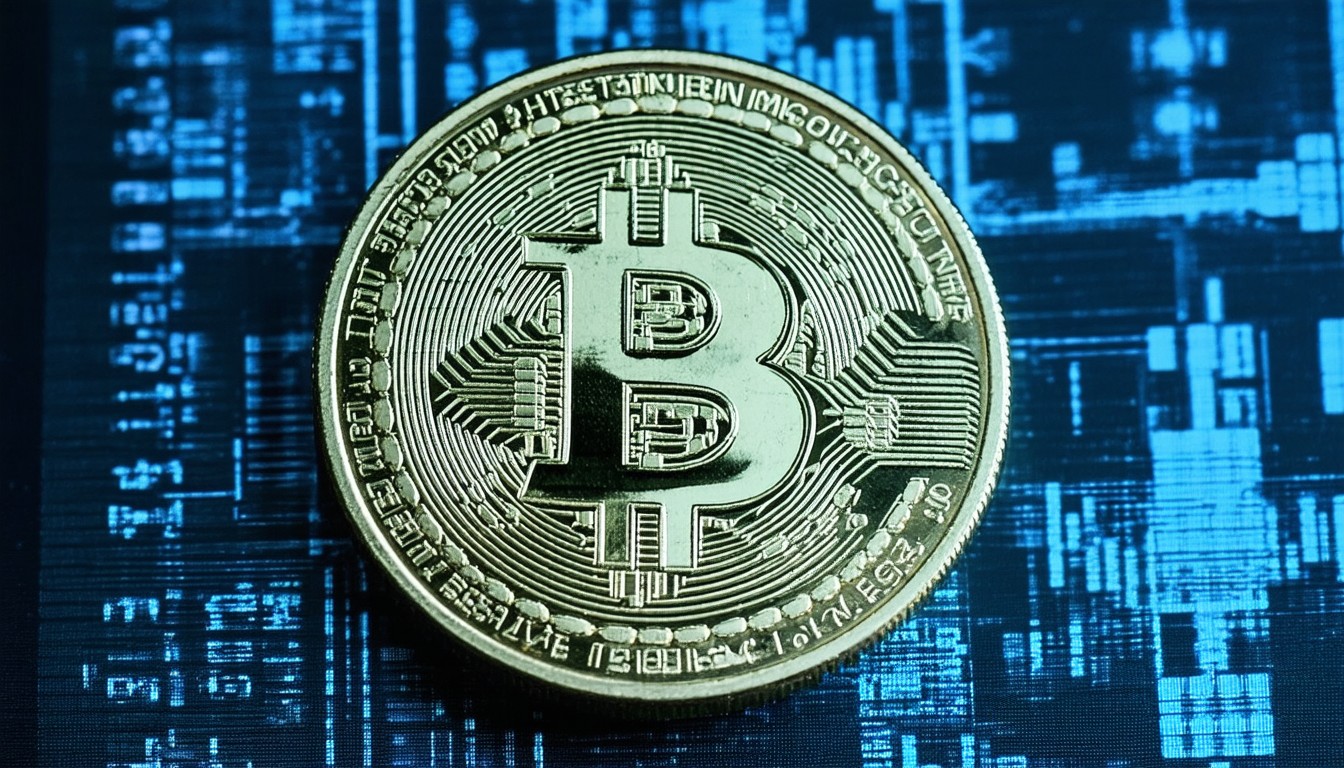
Few innovations have disrupted global finance in the past two decades as radically as Bitcoin. Launched in 2009 by the pseudonymous Satoshi Nakamoto, Bitcoin introduced a decentralized digital currency, independent of any central authority or government. This bold experiment in cryptography and economics has sparked worldwide debate, attracted significant investments, and inspired a wave of blockchain-based technologies. As Bitcoin moves closer to mainstream adoption, understanding its fundamentals, underlying technology, and benefits has never been more vital.
What Is Bitcoin? A Digital Alternative to Traditional Money
Bitcoin is a form of digital currency, or “cryptocurrency,” that exists purely in electronic form. Unlike the dollar or euro, Bitcoin is not issued by a central bank, nor can it be printed at will. Instead, it operates on a decentralized network powered by blockchain technology—a public ledger spread across tens of thousands of computers globally.
Bitcoin’s main features include:
- Scarcity: Only 21 million bitcoins will ever exist.
- Divisibility: Each bitcoin can be split into 100 million “satoshis,” making micropayments possible.
- Censorship resistance: Transactions are peer-to-peer, bypassing traditional financial intermediaries.
The vision was to offer an alternative to government-backed money, especially in countries experiencing currency devaluation, capital controls, or political instability. Today, people use Bitcoin for reasons ranging from cross-border payments to speculative investment and as a hedge against inflation.
How Bitcoin Works: The Blockchain and Beyond
Understanding the Blockchain
At its core, Bitcoin’s innovation lies in its underlying ledger—a chain of “blocks” recording every transaction ever made. Each block contains a group of transactions, cryptographically verified and linked to the previous block. This structure, known as the blockchain, is what makes Bitcoin secure and tamper-proof.
Mining and Consensus
New transactions are validated and bundled into blocks by network participants called “miners.” Miners compete to solve complex mathematical puzzles, and the first to succeed adds the block to the blockchain. As a reward, they earn new bitcoins—a process known as mining.
“Bitcoin’s true genius lies in its consensus mechanism. By aligning incentives with cryptographic security, the network ensures that no single party can rewrite the transaction history.”
—Zhao Dong, Bitcoin investor and entrepreneur
This open, decentralized process enables trust among users who may never meet each other or a central authority.
Security Features
Bitcoin leverages the power of its global network to remain resilient against attacks. Notably:
- Proof-of-work: Miners must expend real computational effort, making attacks costly and difficult.
- Full node verification: Any user can run a node to independently verify transaction validity.
- Immutability: Once added, blocks are nearly impossible to modify due to the cryptographic linking.
In practical terms, these features make the Bitcoin network highly secure, especially relative to centralized digital platforms.
Key Benefits of Bitcoin
Financial Inclusion and Borderless Payments
One of Bitcoin’s chief promises is the ability to empower unbanked and underbanked populations. With just a smartphone and internet connection, users can send and receive bitcoin globally, circumventing traditional banking barriers and high remittance fees. In countries facing economic restrictions, such as Venezuela or Nigeria, Bitcoin has served as an escape route from hyperinflation and financial censorship.
Limited Supply and Inflation Hedge
Many investors treat Bitcoin as “digital gold” due to its capped supply and predictable issuance schedule—qualities central banks cannot replicate.
- Major institutional investors, from hedge funds to public companies like MicroStrategy and Tesla, have allocated portions of their treasuries to Bitcoin, viewing it as a hedge against inflation or monetary debasement.
- Over the past several years, Bitcoin’s performance has often outpaced traditional safe-haven assets during periods of economic uncertainty.
Transparent and Open Infrastructure
Bitcoin’s network operates on an open-source protocol. Anyone can audit the code, verify the supply, or monitor activity on the blockchain. This transparency is a marked contrast to opaque financial systems and has fostered a vibrant ecosystem of developers and enthusiasts.
Programmatic Money and Innovation
Bitcoin set the stage for programmable money—digital assets with rules embedded in code. While Bitcoin itself is intentionally simple, its scripting language enables solutions like multi-signature wallets and smart contracts. This innovation has fueled wider blockchain development, inspiring applications in decentralized finance (DeFi), supply chain transparency, and beyond.
Challenges and Criticisms: Balancing Promise with Reality
Despite its groundbreaking potential, Bitcoin faces ongoing scrutiny and hurdles.
Price Volatility
While some hail Bitcoin as a reliable store of value, its price has fluctuated wildly, often experiencing double-digit swings in short timeframes. This volatility can deter adoption for everyday transactions and foster speculative bubbles.
Energy Consumption
Bitcoin’s proof-of-work consensus mechanism requires substantial computational power. According to some studies, the network’s annual energy consumption rivals that of small nations. Industry advocates argue that a significant amount is sourced from renewables, but the debate over sustainability persists.
Regulatory Uncertainty
Countries differ widely in their approach to Bitcoin, from outright bans to legal acceptance and integration into financial services. In practice, shifting regulations remain a key source of uncertainty for businesses and individual users.
Real-World Examples: Bitcoin’s Impact in Action
- El Salvador became the first nation to adopt Bitcoin as legal tender in 2021, aiming to boost financial inclusion and attract foreign investment.
- International Remittances: Migrant workers in the US and Europe use Bitcoin to send funds home more quickly and with lower fees than traditional companies.
- Charitable Aid: Organizations like the Human Rights Foundation use Bitcoin to deliver financial assistance to people in regions subject to political oppression or sanctions.
Beyond these headline examples, a growing ecosystem of payment processors, wallet providers, and decentralized platforms testifies to Bitcoin’s expanding real-world footprint.
Conclusion: Navigating Bitcoin’s Future
Bitcoin’s emergence marked a paradigm shift in how value can be exchanged, stored, and safeguarded outside traditional systems. While critics point to volatility and environmental impact, advocates see a powerful tool for financial freedom, inclusion, and innovation. As regulations mature and technological development continues, Bitcoin’s story will remain a focal point in the conversation about the digital future of money.
FAQs
What is Bitcoin, in simple terms?
Bitcoin is a decentralized digital currency that allows people to send and receive value directly over the internet, without banks or governments acting as intermediaries.
How does Bitcoin differ from traditional money?
Unlike traditional currencies, Bitcoin operates on a global, peer-to-peer network, has a finite supply, and is not issued or controlled by any central authority.
Is Bitcoin safe to use?
While the Bitcoin network is considered highly secure due to its underlying technology, users must take proper precautions—such as safeguarding private keys—to protect their holdings from theft or loss.
Why does Bitcoin’s price fluctuate so much?
Bitcoin’s price is determined by supply and demand on global exchanges, and with limited liquidity and speculative interest, this can lead to rapid price changes.
Can Bitcoin be used for everyday purchases?
A growing number of merchants and online platforms accept Bitcoin as payment, but widespread everyday usage remains limited compared to traditional currencies, largely due to price volatility and regulatory factors.
What happens when all 21 million bitcoins are mined?
Once Bitcoin’s supply cap is reached, miners will earn revenue through transaction fees, incentivizing them to maintain the network’s security and continue processing transactions.





















Leave a comment