


Navigating the Evolving Landscape of Blockchain Utility
VeChain (VET), founded in 2015, has steadily built a reputation as a leading enterprise-focused blockchain protocol. While many cryptocurrencies rise and fall on speculation, VeChain’s value proposition is distinctly grounded: enabling real-world supply chain and business process management through transparent, tamper-proof distributed ledger technology. As Web3 adoption accelerates and regulators demand increased accountability in global trade, VeChain continues to draw attention from businesses, investors, and analysts alike.
What Sets VeChain Apart in the Blockchain Ecosystem
Purpose-built for Enterprise Solutions
Unlike more general-use blockchains, VeChain’s architecture caters specifically to the needs of large-scale logistics, supply chains, and industrial data management. Its two-token system—VET (VeChain Token) and VTHO (VeThor Token)—offers unique flexibility. VET functions as a value-transfer medium, while VTHO serves as gas for powering smart contracts and decentralized application operations.
“Where blockchains like Ethereum focus on decentralized finance and NFTs, VeChain’s direct integration with enterprise processes makes it uniquely positioned for real-world business adoption,” explains Dr. Peter Zhou, VeChain’s Chief Scientist.
This targeted utility has fostered significant industry partnerships, including collaborations with DNV (a global quality assurance firm), BMW, and Walmart China. Real-world use cases—such as food traceability, anti-counterfeiting, and carbon certificate validation—demonstrate VeChain’s appeal to multi-national corporations seeking tailored blockchain solutions.
Technical Architecture and Governance
Underpinning VeChain’s business-friendliness is its Proof of Authority (PoA) consensus algorithm. Unlike Proof of Work or Proof of Stake, PoA leverages vetted, known validators, resulting in faster throughput and lower transaction fees. The VeChain Foundation governs the ecosystem, balancing decentralization with enterprise-grade oversight.
This blend makes VeChain attractive for organizations that require compliance, auditability, and predictable costs—factors often lacking in more open, decentralized blockchains.
VeChain (VET) Price Performance: Trends and Drivers
Historical Context and Volatility
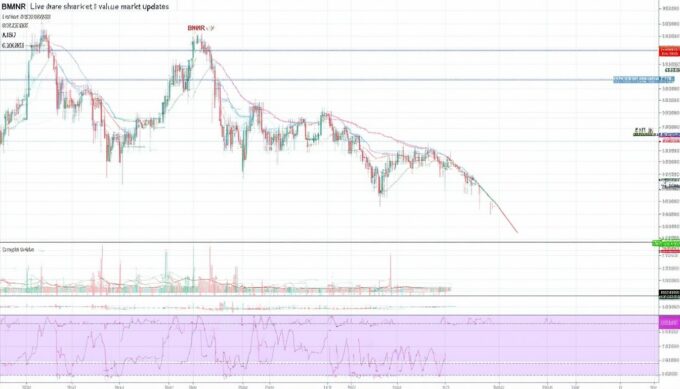
As with much of the cryptocurrency market, VET has experienced pronounced price swings. After its initial coin offering and migration to its standalone VeChainThor mainnet in 2018, VET saw a significant uptick during the 2021 crypto bull run. Strategic announcements and key partnerships have often correlated with upward price movements, albeit within the sporadic volatility familiar to digital asset investors.
Market Forces and Recent Developments
Several factors influence VET’s valuation, including:
- Enterprise adoption: News of new partnerships or pilot projects frequently spark increased trading volume and price interest.
- Regulatory sentiment: Global clarification around blockchain’s legal landscape has periodically impacted VET’s visibility.
- Network growth: Key on-chain indicators, such as blockchain activity, wallet growth, and smart contract deployments, hint at underlying utility.
Despite periodic corrections, long-term observers note that VET’s price tends to outperform many purely speculative tokens during periods of heightened enterprise activity or supply chain disruptions.
VeChain’s Expanding Real-World Impact
Industry Adoption and Case Studies
VeChain isn’t just about hypothetical promises; it’s an operational blockchain with live enterprise deployments. For instance, Walmart China implemented VeChain to increase transparency for its food products, allowing consumers to scan QR codes and access detailed provenance information. Similarly, luxury brands and wineries have integrated VeChain’s technology to combat counterfeiting and verify authenticity, protecting both corporate reputation and consumer trust.
Beyond supply chain, VeChain is exploring domains such as:
- Sustainability tracking: Facilitating verifiable carbon emissions reporting and ESG monitoring.
- Healthcare: Secure medical data management and pharmaceutical traceability.
- Automotive: Digital maintenance logs and parts verification.
Partnerships and Network Effects
VeChain’s collaborations often involve a tripartite relationship: the business client, an assurance provider (like DNV), and the blockchain protocol itself. This layered approach builds trust in the data recorded on-chain and signals VeChain’s intent to serve as underlying infrastructure for the next era of transparent global commerce.
VeChain News: Recent Upgrades and Roadmap Highlights
Major Technological Developments
The VeChainThor blockchain continues to evolve, with recent updates focused on scalability, interoperability, and developer engagement. Key upgrades have included:
- Enhanced consensus mechanisms for faster settlement.
- Expanded toolkits for building decentralized applications (dApps).
- Initiatives to support NFTs and tokenized assets unique to enterprise needs.
A growing community and developer ecosystem signal a robust future pipeline, bolstered by the Foundation’s commitment to research and strategic expansion.
Regulatory and Ecosystem Milestones
VeChain has proactively engaged with regulatory bodies, particularly amid intensifying global scrutiny of blockchain technologies. The Foundation’s focus on compliance, auditability, and real-world integration positions it favorably as governments and industry partners call for increased transparency.
Recent news cycles have highlighted VeChain’s efforts to align with sustainability goals, such as collaborations on blockchain-enabled carbon footprint tracking—addressing the intersection of digital innovation and climate action.
Risks, Challenges, and the Road Ahead
Potential Headwinds
While VeChain’s enterprise focus lends it durability, several challenges persist:
- Market volatility: VET remains subject to the broader crypto market’s highs and lows.
- Adoption curve: Converting traditional industries to blockchain requires ongoing education and integration support.
- Competitive landscape: Enterprise-focused protocols such as IBM Blockchain and Hyperledger vie for similar market segments.
Opportunities for Growth
As supply chains digitize and ESG standards tighten, VeChain’s infrastructure could see further adoption, especially among companies seeking end-to-end transparency solutions. Continued product innovation, ecosystem partnerships, and regulatory engagement will be key to sustaining growth.
Conclusion
VeChain (VET) has carved out a distinctive niche in the blockchain industry by targeting enterprise adoption, delivering working solutions for real-world problems, and cultivating a stable technical and governance framework. While challenges remain in a dynamic regulatory and competitive environment, VeChain’s growing roster of partnerships and expanding ecosystem position it as a foundational player in the intersection of blockchain and global commerce. Investors, technologists, and brands alike should keep VeChain on their radar as the next generation of digital infrastructure takes shape.
FAQs
What is VeChain (VET) used for?
VeChain (VET) is primarily utilized to facilitate transparent supply chain management, product authentication, and data assurance services for enterprises. Its blockchain protocol is designed to integrate seamlessly with real-world business processes.
How does VeChain differ from other blockchains like Ethereum?
Unlike general-use blockchains, VeChain is purpose-built for enterprise solutions and operates on a Proof of Authority consensus mechanism, offering predictable transaction costs and speed. Its two-token system distinguishes between value transfer and network operation costs.
What companies are using VeChain’s technology?
Major companies such as Walmart China, DNV, and BMW have deployed VeChain-based solutions for supply chain, quality assurance, and anti-counterfeiting. These partnerships highlight VeChain’s real-world operational use.
How is the price of VeChain (VET) determined?
VET’s price is influenced by supply and demand dynamics, news of enterprise adoption, regulatory developments, and broader crypto market trends. On-chain activity and network growth can also impact its valuation.
Is VeChain compliant with global regulations?
VeChain’s governance emphasizes compliance and auditability, making it well-suited for regulated industries. The VeChain Foundation actively collaborates with assurance providers and regulatory entities to meet global standards.
What are the primary risks associated with investing in VeChain?
Risks include crypto market volatility, potential delays in industry adoption, and competition from other enterprise blockchain solutions. Thorough research and awareness of changing regulations are recommended before investing.















Leave a comment