


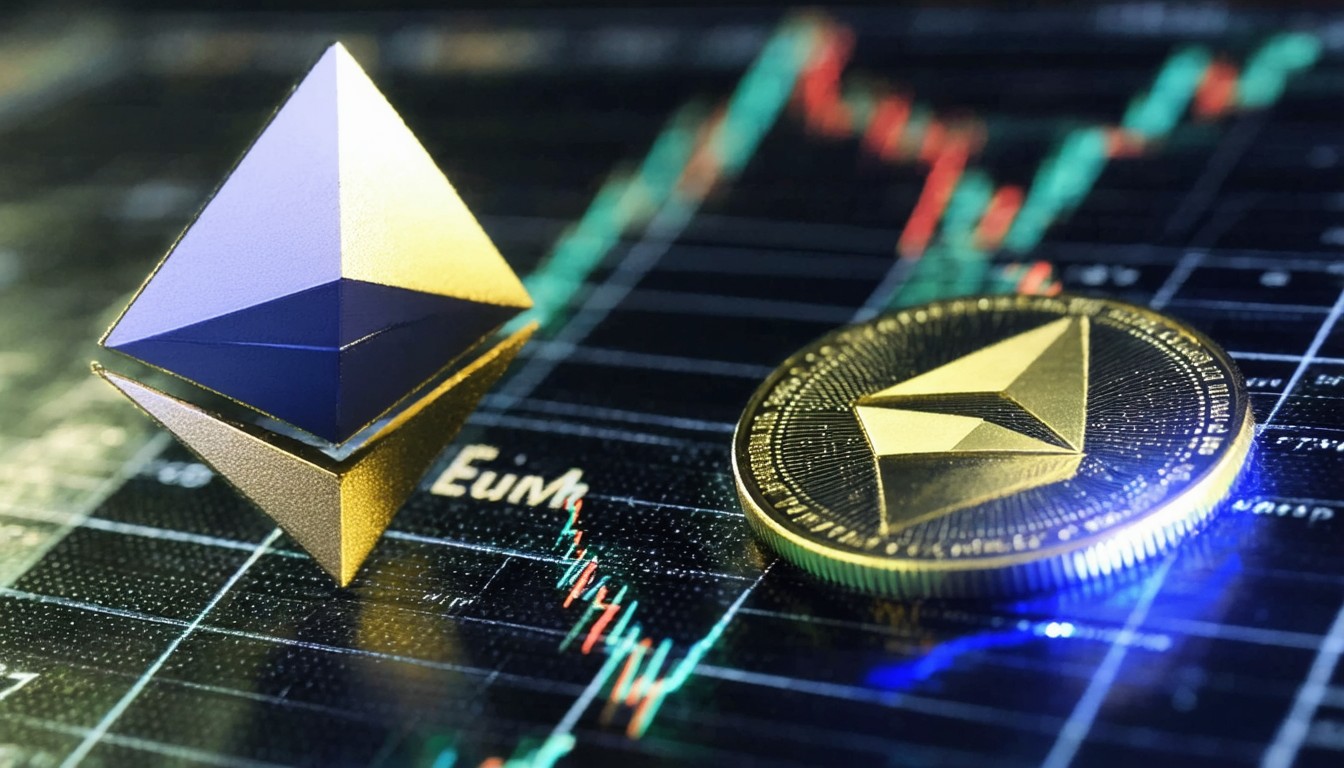
Ethereum, second only to Bitcoin in terms of global cryptocurrency influence, continues to shape the digital asset landscape. As the backbone of decentralized finance (DeFi) and countless innovative blockchain projects, Ethereum’s value is closely tracked by traders, developers, and large-scale institutions. Many factors converge to determine the Ethereum price today, including network upgrades, macroeconomic sentiment, evolving regulations, and overall adoption of blockchain technology. Understanding these forces is crucial for anyone navigating crypto’s volatile waters.
Real-Time Ethereum Price Movements and Market Capitalization
Ethereum’s value in the open market is famously dynamic. The live ETH price can shift by several percentage points in a single day, especially during periods of macroeconomic uncertainty or blockchain network upgrades.
- Market Cap: Ethereum’s market capitalization—calculated as the current price multiplied by total circulating supply—regularly positions it as the second-largest cryptocurrency, often exceeding the $200 billion threshold in strong markets.
- Liquidity and Trading Volume: ETH enjoys substantial daily trading volume, constantly supported by global exchanges such as Binance, Coinbase, and Kraken. High liquidity typically helps to reduce volatility but does not eliminate it, particularly around major news events or macro shifts.
Beyond headline numbers, microstructure factors like order book depth and derivatives activity also affect spot prices. In practice, the intricate interplay between long-term holders and speculative traders means each Ethereum price movement can reflect both technical and narrative-driven factors.
Key Factors Influencing Ethereum Price Today
1. Network Upgrades and Technological Progress
One of the most significant influences on Ethereum’s value is its technology roadmap. Major upgrades—such as Ethereum’s move from Proof-of-Work to Proof-of-Stake (the “Merge”)—have marked paradigm shifts, affecting network security, efficiency, and market perception.
“Each major Ethereum upgrade fundamentally reshapes not just the blockchain, but also market sentiment. This feedback loop regularly ignites price volatility and new cycles of innovation.”
— Blockchain infrastructure analyst, 2023
Recent and anticipated developments, such as Ethereum’s scaling solutions (“sharding” and Layer 2 rollups), are keenly watched by investors. These upgrades are designed to address scalability, reduce transaction costs, and bolster overall utility.
2. Decentralized Finance Growth
Ethereum’s role as the core infrastructure for DeFi applications (like Aave, Uniswap, and MakerDAO) underpins continued demand for ETH. Surging DeFi activity often means higher transaction fees (gas), leading participants to acquire and hold ETH to interact with smart contracts. Periods of explosive DeFi growth have previously coincided with bullish ETH price trends.
3. Regulatory Trends and Macro Sentiment
Government stances toward digital assets can swing Ethereum’s price sharply in both directions. A supportive regulatory development—such as the approval of spot Ethereum ETFs in major markets—can drive institutional demand and lend legitimacy. Conversely, sweeping crackdowns or unclear tax regimes tend to spook investors, sometimes triggering abrupt sell-offs.
Macro factors like inflation data, monetary policy shifts, or increased correlation with equity markets also exert influence. In recent cycles, Ethereum has at times tracked broader risk assets, moving in tandem with tech stocks during both upswings and risk-off episodes.
4. Real-World Adoption and Partnership Announcements
Adoption beyond the crypto-native audience, such as major brands integrating Ethereum-based tokens or blockchains for supply chain management, can boost confidence in future price appreciation. High-profile partnerships or technical collaborations have historically provided short-term price catalysts.
Recent Ethereum Price Trends: Insights from 2023 and Early 2024
The last year has seen Ethereum navigate both periods of optimism and moments of caution. Following the success of the “Merge” upgrade, Ethereum’s narrative shifted toward sustainability and increased institutional interest. Several data points emphasize recent dynamics:
- Price Volatility: ETH has experienced sharp moves, with intraday swings influenced by ETF speculation, Layer 2 growth milestones, and shifting macro backdrops.
- Supply and Demand: The transition to Proof-of-Stake introduced a “burn” mechanism, reducing ETH’s net inflation rate. Over specific periods, more ETH has been removed from circulation than added, creating a deflationary pressure that many analysts cite as a long-term bullish factor.
- Correlations: While ETH continues to correlate somewhat with Bitcoin, its on-chain activity and DeFi dominance occasionally decouple it from BTC, leading to unique price patterns.
To understand Ethereum’s live price context, traders often rely on a combination of technical analysis and on-chain data—watching wallet flows, exchange balances, and key support levels alongside market news.
How to Track Live Ethereum Value and Market Data
Staying informed about the Ethereum price today requires more than glancing at a price ticker. Advanced traders and institutional participants utilize a multi-faceted approach:
- Global Exchanges: Platforms like Binance and Coinbase offer real-time charts, depth-of-market views, and derivative pricing tools.
- On-Chain Analytics: Services such as Glassnode or Nansen provide wallet flow and network activity data, giving deeper insight into whale transactions or unusual user behavior.
- News Aggregators: Crypto-specific news feeds (The Block, Decrypt, CoinDesk) and social media sentiment tools can help users contextualize sudden price moves.
- Portfolio Trackers: Mobile and web applications allow for consolidated monitoring of ETH holdings, real-time value, and profit/loss.
While no single tool provides a complete picture, combining these resources enhances situational awareness during volatile periods.
Risks and Considerations for Ethereum Price Forecasting
Predicting ETH’s price trajectory entails navigating multiple uncertainties. Although historical patterns and technical indicators provide valuable clues, past performance offers no guarantees. Key risks to consider include:
- Regulatory Intervention: Sudden legal shifts can rapidly change the market landscape.
- Technical Vulnerabilities: Security incidents or exploitations in DeFi protocols can have systemic impacts, sparking liquidations and panic selling.
- Market Cyclicality: Prolonged bull runs often give way to corrective phases marked by significant drawdowns, requiring disciplined risk management.
For investors and observers, understanding both the potential and pitfalls of Ethereum is critical to informed decision-making.
Conclusion
Ethereum’s price today is the product of technological progress, macroeconomic crosscurrents, and evolving real-world adoption. While short-term volatility remains high, Ethereum’s position at the heart of the DeFi and smart contract ecosystem ensures it remains a focal point for innovation and investment. Staying informed through a mix of market data, news analysis, and on-chain metrics gives participants a crucial edge in this rapidly shifting landscape.
FAQs
How is the live Ethereum price determined?
Ethereum’s price is set by supply and demand dynamics on global cryptocurrency exchanges, where buyers and sellers agree on the value in real time.
What are the main factors that affect Ethereum’s price today?
Key influences include network upgrades, DeFi activity, macroeconomic trends, regulation, and real-world adoption news.
How does Ethereum’s price compare to Bitcoin?
While often tracking similar trends, Ethereum’s price can follow unique patterns due to its additional utility as the foundation for smart contracts and DeFi platforms.
Where can I check the latest Ethereum price and historical performance?
Major exchanges, financial data aggregators, and on-chain analytics services all provide up-to-the-second ETH pricing and historical charts.
Is Ethereum considered a safe investment?
All cryptocurrencies, including Ethereum, carry significant risks and volatility. It’s important to research thoroughly and consider your risk tolerance before investing.





















Leave a comment