


Price prediction March 2026 is drawing unusual attention across U.S. markets as investors, households, and businesses weigh the next move in inflation, interest rates, energy costs, and risk assets. The timing matters. On March 6, 2026, the U.S. jobs report for February is due, the February Consumer Price Index is scheduled for March 11, and the Federal Reserve’s next policy meeting is set for March 17–18. Those events are likely to shape near-term price expectations across stocks, bonds, commodities, and digital assets.
Why Price Prediction March 2026 Matters Now
In the U.S., price forecasts are not limited to one market. They affect mortgage rates, corporate borrowing costs, consumer spending, and portfolio strategy. March 2026 stands out because several major data releases arrive within days of one another, creating a concentrated window for repricing across financial markets. The Bureau of Labor Statistics has scheduled the February 2026 CPI report for March 11, while the Federal Reserve calendar shows a two-day Federal Open Market Committee meeting on March 17–18, followed by a press conference on March 18.
The latest official inflation snapshot available before those March releases is the January 2026 CPI report, published on February 13, 2026. That report said the all-items index rose 0.4% on a not seasonally adjusted basis for the month. It also noted that February 2026 CPI data would be released on March 11.
At the same time, the Fed’s January 2026 meeting minutes show policymakers left the target range unchanged and maintained the interest rate paid on reserve balances at 3.65%, effective January 29, 2026. The minutes also confirmed that the next meeting would be held on March 17–18, 2026. That means any price prediction March 2026 must account for both incoming inflation data and the possibility of a policy signal shift from the central bank.
For U.S. readers, the practical question is simple: are prices likely to cool, stabilize, or reaccelerate in March? The answer depends less on one headline number and more on how labor, energy, and credit conditions interact over the next two weeks. That is why March is being treated as a key checkpoint rather than an ordinary month.
The Core Drivers Behind March 2026 Forecasts
Several measurable forces are shaping current forecasts.
- Inflation data: The January CPI release showed monthly price growth, keeping attention on whether February data confirms a cooling trend or renewed stickiness.
- Fed policy: The March 17–18 FOMC meeting is the next major event for rates, liquidity, and market sentiment.
- Producer prices: The January 2026 Producer Price Index release said the February PPI report is due in March, offering another read on pipeline inflation.
- Labor market conditions: The February employment report is scheduled for March 6 and could alter expectations for demand, wages, and policy.
These inputs matter because markets often move on expectations before the data is fully absorbed. If inflation prints hotter than expected, Treasury yields can rise and risk assets can come under pressure. If inflation eases and labor conditions soften without a sharp downturn, markets may interpret that as supportive for lower future rates. That dynamic is central to any price prediction March 2026 framework.
There is also a technical factor in the inflation data itself. BLS said seasonal adjustment factors were recalculated with the January 2026 CPI release, and revised seasonally adjusted indexes for the previous five years were made available. That matters because revisions can change how analysts interpret momentum in categories such as shelter, services, and core goods.
According to the Federal Reserve’s published schedule, March is also a communication-heavy month, with the Beige Book on March 4 and the FOMC press conference on March 18. Those events can influence market pricing even without an immediate rate change, because investors parse language for clues on the path ahead.
Price Prediction March 2026 Across Major Asset Classes
Stocks
For equities, the March outlook hinges on whether inflation and rates remain restrictive. Higher-for-longer policy expectations usually weigh more heavily on rate-sensitive sectors such as technology, real estate, and small caps. By contrast, a softer inflation print can support broader risk appetite. This is an inference based on how equity valuations typically respond to discount-rate expectations, not a guarantee of market direction.
Bonds
Bond markets are likely to react first and most directly to March macro data. If CPI and payrolls come in firm, yields may stay elevated or move higher. If both reports show cooling conditions, bond prices could strengthen as investors price in a less restrictive path later in 2026. The Fed’s H.15 release remains a key official reference point for selected interest rates.
Energy and consumer prices
Energy remains one of the most visible channels through which households experience price changes. While March-specific gasoline and utility outcomes will depend on market conditions not yet fully published, BLS regional CPI releases continue to show that shelter, household operations, and medical care remain important contributors to household budgets. In the South region’s January 2026 CPI release, shelter was up 2.6% over the year and owners’ equivalent rent rose 2.9%.
Digital assets
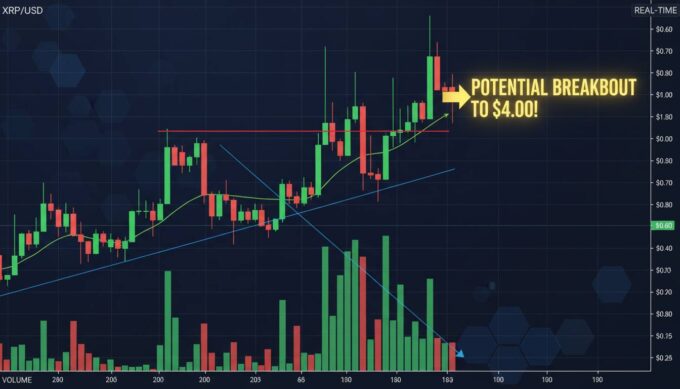
For cryptocurrencies and other high-volatility assets, March 2026 price prediction depends heavily on liquidity conditions and risk sentiment rather than inflation alone. Because the user’s keyword does not specify a single asset, a factual U.S. market view is more appropriate than a coin-specific target. In practice, crypto prices often react sharply to the same macro signals that move rates and the dollar, especially around Fed meetings. This is a market-structure inference supported by the importance of Fed timing, rather than a claim about a specific token’s future price.
What Stakeholders Should Watch in March
For investors, the most important dates are already on the calendar:
- March 6, 2026: U.S. Employment Situation for February 2026.
- March 11, 2026: U.S. Consumer Price Index for February 2026.
- March 12, 2026: U.S. Producer Price Index for February 2026.
- March 17–18, 2026: FOMC meeting, with press conference on March 18.
For businesses, these dates influence pricing strategy, inventory planning, and financing decisions. A company deciding whether to lock in borrowing costs or pass higher input costs to consumers will be watching the same data as Wall Street. For households, the implications are more immediate: mortgage rates, credit card costs, and real wage growth all depend in part on whether inflation is easing faster than borrowing costs.
A balanced reading of the current evidence suggests caution rather than certainty. January inflation data showed prices still rising month to month, but the decisive March signals have not yet been released as of March 6, 2026. That means strong directional forecasts should be treated carefully until the CPI and Fed decisions are public.
Outlook for the Rest of March
The most credible price prediction March 2026 is scenario-based. If February CPI surprises to the upside and labor data remains firm, markets may push back expectations for easier financial conditions. If inflation cools and the Fed signals greater confidence in disinflation, risk assets could find support while yields stabilize or drift lower. Both outcomes remain plausible based on the official calendar and currently available data.
What is clear is that March 2026 is not a routine month for price discovery in the U.S. economy. It combines a fresh inflation read, a labor market update, and a Fed meeting in rapid succession. That concentration of events raises the odds of short-term volatility and makes disciplined, data-driven forecasting more important than broad speculation.
Conclusion
Price prediction March 2026 is ultimately a story about timing, policy, and data. The U.S. market enters the month with January inflation still showing monthly price growth, a February CPI report due on March 11, and a Federal Reserve meeting on March 17–18. Until those releases arrive, the most reliable forecast is that markets will remain highly sensitive to inflation, employment, and policy language. For investors and consumers alike, March is shaping up as a decisive month for the direction of prices.
Frequently Asked Questions
What does “price prediction March 2026” usually refer to?
It generally refers to forecasts for prices in March 2026, including consumer prices, interest rates, stocks, bonds, commodities, and sometimes cryptocurrencies. In the U.S., the most important official inputs this month are the jobs report, CPI, PPI, and the Fed meeting.
What is the most important U.S. inflation date in March 2026?
The Bureau of Labor Statistics has scheduled the February 2026 Consumer Price Index release for Wednesday, March 11, 2026, at 8:30 a.m. Eastern Time.
When is the Federal Reserve meeting in March 2026?
The Federal Reserve calendar shows the FOMC meeting is scheduled for March 17–18, 2026, with a press conference on March 18.
Why do markets react so strongly to CPI and Fed decisions?
CPI shapes expectations for inflation, while the Fed influences borrowing costs and liquidity. Together, they affect bond yields, stock valuations, mortgage rates, and broader risk sentiment.
Is there enough data now to make a precise March 2026 forecast?
Not fully. As of March 6, 2026, key reports including February payrolls, February CPI, and the March FOMC decision are either due that day or still ahead. That is why scenario-based analysis is more reliable than exact price targets right now.
What should U.S. readers monitor first?
Start with the employment report on March 6, the CPI report on March 11, the PPI report on March 12, and the Fed meeting on March 17–18. Those four events are likely to set the tone for price prediction March 2026.
















Leave a comment