


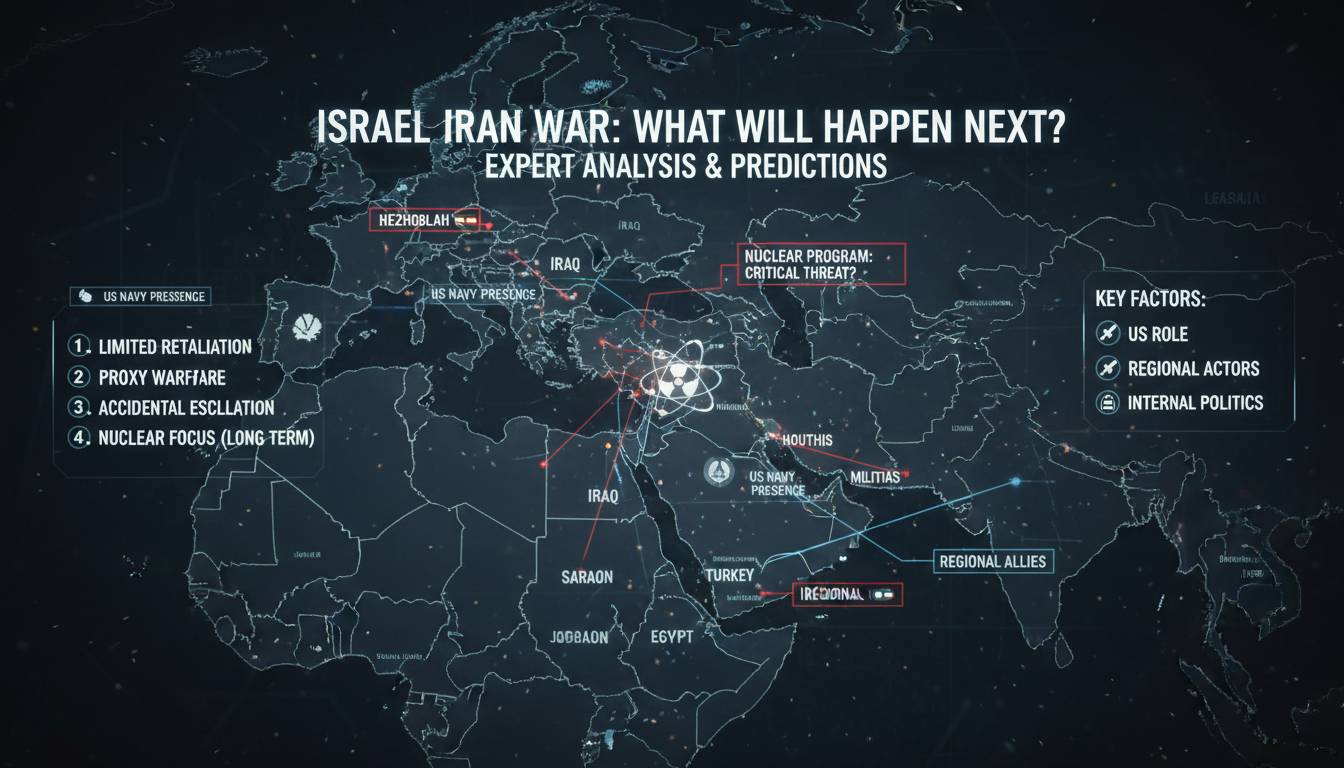
Since late February 2026, the Middle East has witnessed a dramatic escalation as Israel and the United States launched a coordinated military campaign—Operation Lion’s Roar—against Iran. This article examines the unfolding conflict, its regional and global implications, and what might lie ahead.
The offensive began on February 28, 2026, when Israel, with U.S. coordination, struck multiple targets across Iran, including Tehran, in a preemptive move against perceived nuclear and military threats. Iran responded with missile and drone attacks on Israel, U.S. bases, and Gulf states. The conflict rapidly spread, involving Hezbollah in Lebanon and disrupting global energy routes through the Strait of Hormuz. This article explores the current situation, its significance, and possible future trajectories.
Operation Lion’s Roar and Immediate Fallout
On February 28, 2026, Israel launched Operation Lion’s Roar—a preemptive strike targeting Iranian military and nuclear infrastructure. The operation involved air and missile strikes on Tehran and other cities, coordinated with U.S. forces. Explosions were reported across Iran, prompting airspace closures and widespread alarm .
In response, Iran unleashed a barrage of missiles and drones targeting Israeli territory and U.S. military installations in Gulf states. The Islamic Revolutionary Guard Corps (IRGC) also threatened to block vessel passage through the Strait of Hormuz, triggering a sharp decline in maritime traffic and disrupting global energy supplies .
Regional Escalation: Lebanon and the Gulf
On March 2, Hezbollah, aligned with Iran, began launching strikes into northern Israel following the confirmed death of Iran’s Supreme Leader, Ali Khamenei. Israel retaliated with strikes in Beirut, marking a dangerous expansion of the conflict into Lebanon .
Simultaneously, Iran targeted the United Arab Emirates with a massive assault—launching 189 ballistic missiles, 941 drones, and 3 cruise missiles by March 4. The attacks caused civilian casualties and property damage in Abu Dhabi and Dubai, prompting the UAE to close its embassy in Tehran and withdraw diplomatic staff .
Global Economic Shock: Strait of Hormuz Disruption
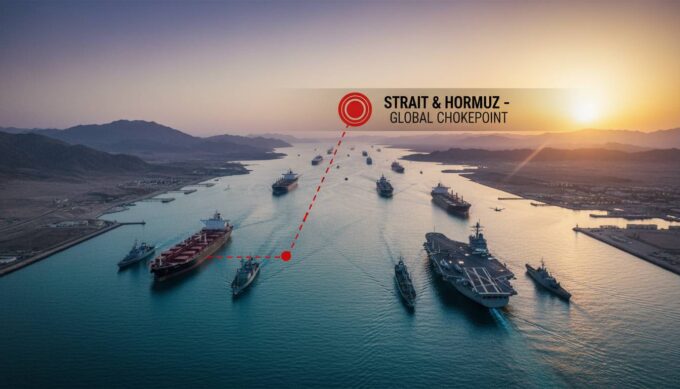
The conflict’s impact on global energy markets has been immediate and severe. The Strait of Hormuz, a critical chokepoint for oil and LNG shipments, saw tanker traffic drop by approximately 70%, eventually halting entirely. This disruption affected around 20% of the world’s daily oil supply, sending Brent crude prices up 13% to $82 per barrel, with fears of a rise toward $100 .
Strategic Implications and Expert Insights
Iran’s Resilience and Risk Appetite
Despite suffering setbacks, Iran appears determined to rebuild its deterrence capabilities. Analysts note that Iran’s ballistic missile stockpile—estimated at around 2,000 heavy missiles—remains largely intact. Tehran’s survival of the initial onslaught has emboldened its leadership to take greater risks in 2026 .
Elevated Risk of Escalation
Experts warn that the risk of further escalation is unusually high. The breakdown of diplomatic channels, hardened sanctions, and uncompromising rhetoric have narrowed off-ramps for de-escalation. A limited exchange of strikes could rapidly spiral into a broader conflict due to weakened verification mechanisms and heightened mistrust .
Possible Future Scenarios
Analysts outline several potential trajectories:
- Intensified Israeli Campaign: Israel may escalate its strikes to further degrade Iran’s military and nuclear infrastructure .
- Proxy Warfare Expansion: Iran could leverage proxies across the region—Hezbollah, militias in Iraq, and others—to open new fronts .
- Diplomatic Pressure and Ceasefire: International actors may push for a ceasefire, though success depends on Iran’s willingness to negotiate and Israel’s strategic objectives .
- Prolonged Low-Intensity Conflict: A drawn-out conflict with intermittent flare-ups could become the new norm, with regional instability persisting .
Impact on Stakeholders
- Israel: Mobilizing tens of thousands of reservists, closing schools, and suspending civilian air travel under a declared state of emergency .
- Iran: Facing internal unrest, economic strain, and international isolation, yet showing resilience and intent to rebuild its deterrence .
- Gulf States: UAE and others are directly targeted, prompting heightened security measures and diplomatic fallout .
- Global Markets: Energy prices surge amid shipping disruptions, with long-term economic consequences if the conflict persists .
Conclusion
The question of what will happen next in the Israel–Iran war remains open-ended. The conflict has already triggered regional escalation, disrupted global energy markets, and heightened geopolitical tensions. Iran’s resilience and Israel’s strategic posture suggest that the situation may remain volatile. Without credible diplomatic channels and mutual restraint, the risk of further escalation remains high. The world watches closely as the region teeters on the brink of broader conflict.
Frequently Asked Questions
What triggered the current Israel–Iran war?
The conflict began on February 28, 2026, with Operation Lion’s Roar—a coordinated Israeli and U.S. strike against Iranian military and nuclear targets .
How has Iran responded?
Iran retaliated with missile and drone attacks on Israel, U.S. bases in the Gulf, and disrupted shipping through the Strait of Hormuz .
Why is the Strait of Hormuz significant?
It is a vital energy corridor. Disruptions have halted tanker traffic, affecting 20% of global oil supply and driving prices sharply higher .
Could the war escalate further?
Yes. Analysts warn that weakened diplomatic mechanisms and hardened positions increase the risk of rapid escalation from limited strikes to broader conflict .
What are the possible outcomes?
Scenarios range from intensified military campaigns and proxy warfare to diplomatic ceasefires or a prolonged low-intensity conflict .
How are global markets affected?
Energy prices have surged due to disrupted shipping routes. Prolonged instability could further strain global supply chains and economic stability .


















Leave a comment