


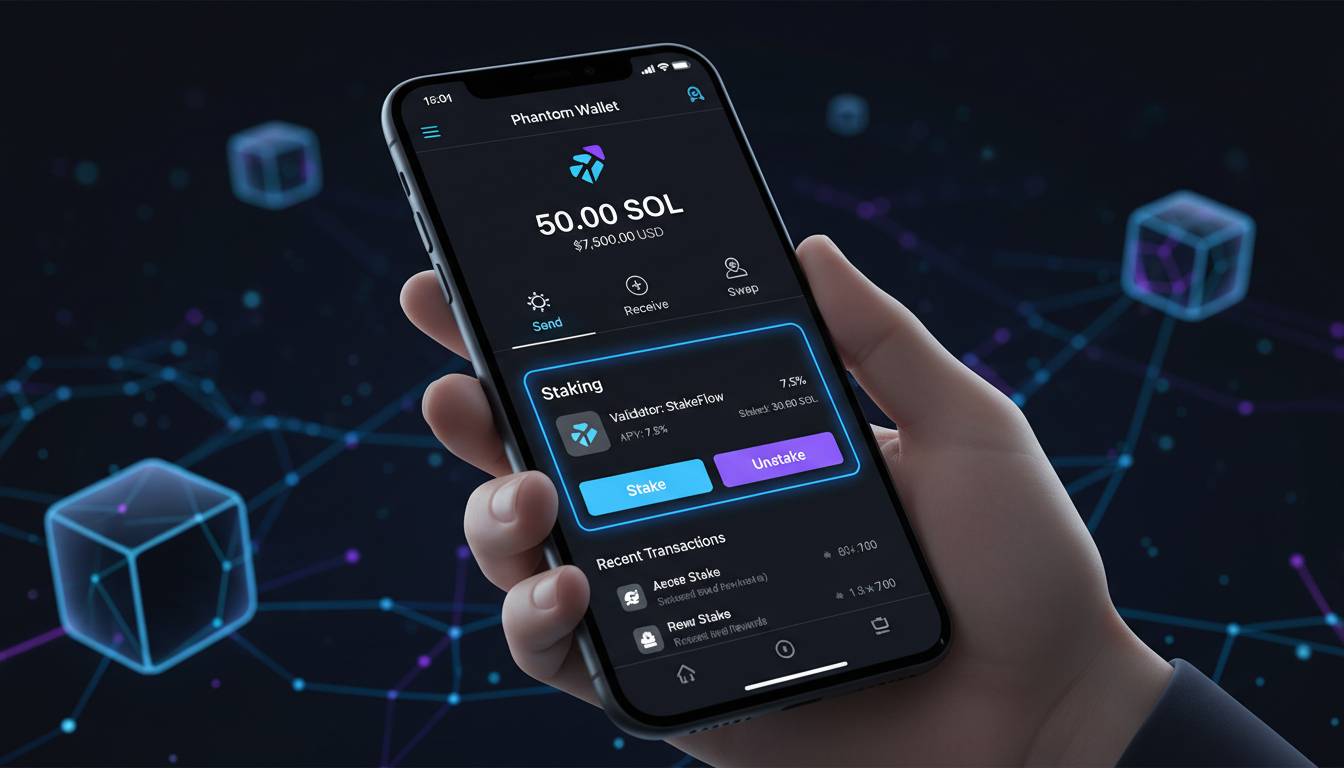
Solana staking is gaining momentum in the U.S. as investors seek high-yield, secure opportunities in the crypto space. With staking ratios hitting new highs and innovative liquid staking products emerging, this guide explores the latest developments, key metrics, and strategies to help U.S. users maximize rewards while maintaining flexibility.
Solana Staking Landscape: Key Developments
Solana’s staking ratio reached an all-time high of 70% as of January 20, 2026, with approximately $60 billion worth of SOL tokens locked to secure the network . This surge reflects growing confidence in Solana’s infrastructure and its appeal to both retail and institutional investors.
In parallel, SOL Strategies, a publicly traded company focused on Solana infrastructure, launched its liquid staking token, STKESOL, on January 20, 2026. Within two weeks, the platform attracted over 680,000 SOL in inflows, delegated across more than 50 validators, and integrated with major DeFi platforms like Kamino, Squads, Jupiter, and Orca .
These developments underscore the rapid evolution of Solana staking, blending traditional validator delegation with liquid staking innovations that enhance capital efficiency and flexibility.
Understanding Staking Options
Native Staking
Native staking involves delegating SOL directly to validators through wallets like Phantom or Solflare. This method offers:
- Full control over your tokens
- Typical APY in the range of 5–7%
- A 2–3 day unstaking period
- No additional fees beyond validator commissions
Liquid Staking
Liquid staking allows users to receive a tokenized representation of their staked SOL, enabling continued participation in DeFi while earning staking rewards. As of early 2026:
- JitoSOL yields around 8.4% APY
- Marinade’s mSOL offers approximately 8.1% APY
- Native staking remains steady at 6.8–7.5% APY
Liquid staking now accounts for over 10% of all staked SOL, with protocols like Jito, bnSOL, and mSOL leading the market . The introduction of STKESOL further diversifies liquid staking options, offering automated validator delegation and reduced concentration risk .
Market Metrics and Trends
- As of May 2025, over 67% of SOL was staked across 1,321 active validators, with the top 25 validators controlling 46.3% of the stake .
- Liquid staking penetration rose from 10.4% in 2025 to 17.6% by Q4 2025 .
- JitoSOL dominates the liquid staking market, holding 27% of the LST share as of August 2025 .
- SOL Strategies reported a 69% increase in staking and validation revenue in Q1 2026, reaching CAD $2.1 million, driven by a growing staking base .
- The Solana Staking Index (SSI), launched in February 2026, offers a transparent benchmark for staking yields, supported by major industry players .
Impact on Stakeholders
Retail Investors
- Native staking offers simplicity and security, with moderate returns.
- Liquid staking provides higher yields and DeFi utility, though with added complexity and protocol risk.
- Tools like SSI help retail users compare validator performance and yields more effectively.
Institutions
- Institutional demand is rising, evidenced by SOL Strategies’ growth and the launch of staking ETFs offering around 7% yields .
- Liquid staking platforms like STKESOL offer scalable, diversified staking solutions tailored for institutional needs.
Network Health
- High staking participation strengthens network security and decentralization.
- Liquid staking and SSI contribute to more transparent and efficient validator ecosystems.
- Validator concentration remains a concern, though diversified delegation strategies are mitigating risks .
Analysis and Future Outlook
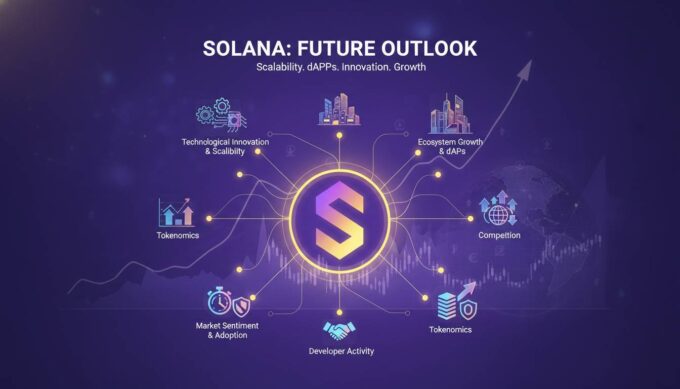
Solana staking is at a pivotal moment. The record-high staking ratio and growing liquid staking market signal robust ecosystem maturity. Liquid staking protocols like STKESOL and JitoSOL are redefining how users engage with staking—balancing yield, liquidity, and DeFi integration.
The launch of SSI marks a significant step toward standardizing staking metrics, empowering users with clearer insights into validator performance. Institutional adoption, through ETFs and infrastructure providers, is accelerating, reinforcing Solana’s position as a mainstream staking destination.
Looking ahead, potential developments include:
- Continued growth in liquid staking penetration, possibly surpassing 20% of total staked SOL.
- Expansion of institutional staking products and regulated offerings.
- Further decentralization as validator networks diversify and SSI adoption grows.
Conclusion
Solana staking is evolving rapidly, offering U.S. users a spectrum of options—from secure native staking to high-yield liquid staking and institutional-grade solutions. With staking ratios at record levels, innovative products like STKESOL, and tools like SSI enhancing transparency, the Solana ecosystem is poised for sustained growth. Whether you’re a retail investor or institutional participant, understanding these dynamics is key to maximizing rewards while supporting network resilience.
Frequently Asked Questions
What is the current APY for Solana staking?
Native staking yields around 6.8–7.5% APY, while liquid staking options like JitoSOL and mSOL offer approximately 8.1–8.4% APY .
What is liquid staking and how does it differ from native staking?
Liquid staking issues a tokenized representation of staked SOL, allowing users to maintain liquidity and participate in DeFi while earning staking rewards. Native staking involves locking SOL directly with a validator and requires a 2–3 day unstaking period .
How much of Solana’s supply is currently staked?
As of January 2026, approximately 70% of SOL is staked, representing about $60 billion in value .
What is the Solana Staking Index (SSI)?
SSI is an open-source, on-chain benchmark launched in February 2026. It provides standardized staking yield data and validator performance metrics, backed by major staking providers .
Are staking yields taxed in the U.S.?
Staking rewards are generally considered taxable income in the U.S. at the time they are received. Consult a tax professional for guidance on reporting and compliance.
Is staking Solana safe?
Native staking is relatively safe, with risks primarily tied to validator performance. Liquid staking introduces protocol risk and fees. Tools like SSI and diversified validator selection can help mitigate these risks.
This guide equips U.S. users with the latest insights and strategies to navigate Solana staking effectively and securely.














Leave a comment