


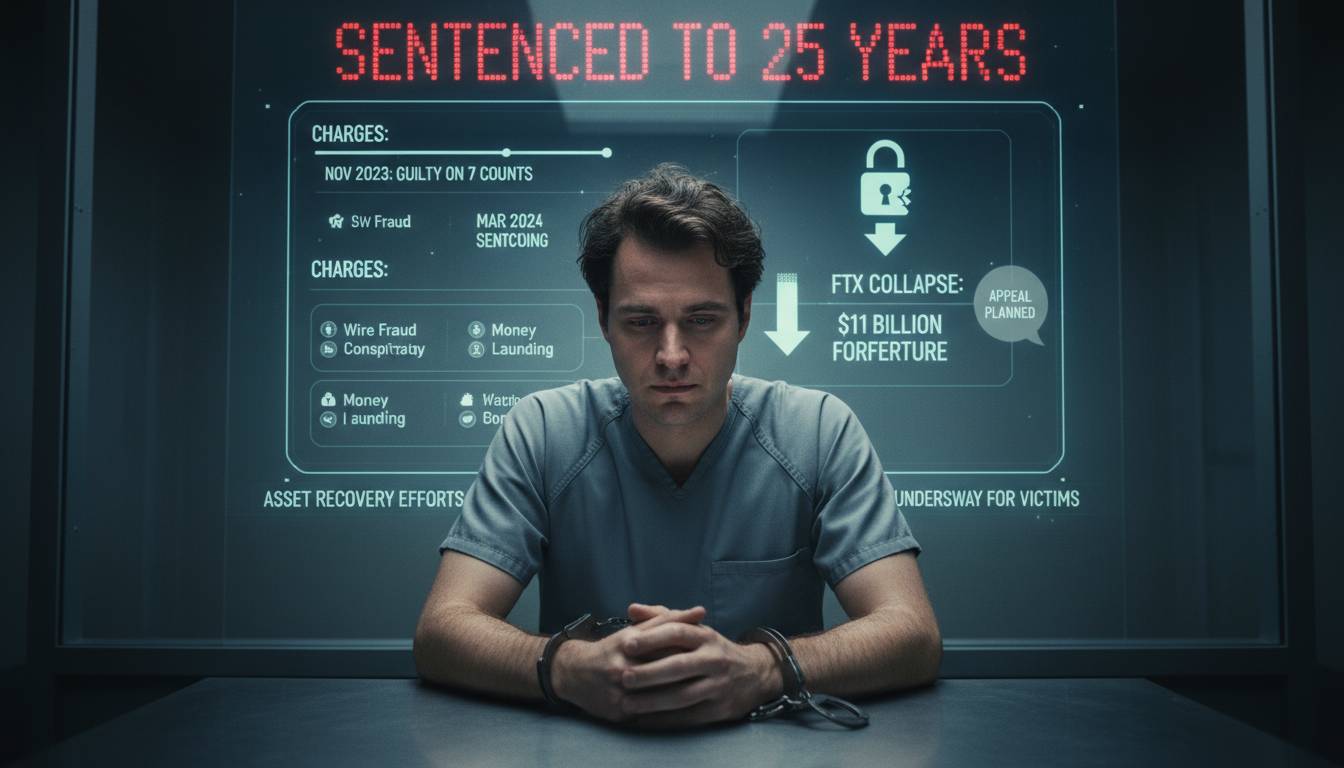
Sam Bankman‑Fried, the former CEO of FTX, is once again at the center of legal developments. On February 15, 2026, he filed a motion for a new trial, claiming newly discovered evidence and prosecutorial misconduct. This marks the latest twist in a saga that continues to unfold nearly three years after his conviction. Here’s what’s happening now—and why it matters.
What Just Happened
Sam Bankman‑Fried formally requested a new trial in federal court, arguing that evidence not presented during his 2023 trial undermines the prosecution’s case. He alleges that FTX was solvent and only faced a short-term liquidity crisis—not insolvency—and accuses the Department of Justice of coercing a key witness, Nishad Singh, into changing his testimony under threat. The motion was filed pro se, meaning Bankman‑Fried is representing himself, with support from his mother, Stanford Law professor Barbara Fried .
Why It Matters Now
This motion could potentially overturn Bankman‑Fried’s conviction or sentence, extending the legal saga surrounding FTX’s collapse. It raises questions about the fairness of the original trial and the integrity of witness testimony .
Legal Arguments and Claims
- New Evidence: Bankman‑Fried contends that documents and testimony now available show FTX had sufficient assets to cover customer withdrawals, contradicting the prosecution’s insolvency narrative .
- Witness Coercion: He claims that Nishad Singh, a former FTX executive and key prosecution witness, was pressured by the DOJ to alter his initial statements to align with the government’s version of events .
- Judicial Bias: The motion also requests that Judge Lewis Kaplan recuse himself, citing “manifest prejudice” and questioning his impartiality .
Broader Legal Context
Bankman‑Fried’s legal team previously appealed his conviction, arguing he was presumed guilty from the start and denied a fair trial due to media and judicial bias. That appeal was heard by the Second Circuit in November 2025, where judges expressed skepticism about his claims .
Meanwhile, former FTX executive Caroline Ellison—who testified against Bankman‑Fried—was released from federal custody in January 2026 after serving 14 months of her 24-month sentence .
What Comes Next
- Judge’s Decision: Judge Kaplan must decide whether to recuse himself and whether the motion meets the legal standard for a new trial under Rule 33 of the Federal Rules of Criminal Procedure .
- Appeal Timeline: The outcome of this motion could influence ongoing appeals and any potential future proceedings.
- Public and Legal Impact: A successful motion could reopen the case, potentially delaying resolution and affecting restitution timelines for FTX creditors.
Summary
Sam Bankman‑Fried’s latest legal maneuver—a motion for a new trial—rests on claims of new evidence, witness coercion, and judicial bias. It adds another chapter to a high-profile case that has already reshaped the crypto industry’s regulatory landscape. The judge’s ruling on this motion will be closely watched, as it could significantly alter the course of the FTX fallout.
Key Takeaways
- Bankman‑Fried seeks a new trial based on new evidence and alleged misconduct.
- He argues FTX was solvent and that DOJ influenced key testimony.
- Judge Kaplan’s response will determine whether the case reopens.
- The motion’s outcome may affect appeals, restitution, and broader legal precedents.
The next few weeks will be critical in determining whether this legal saga continues or finally moves toward closure.





















Leave a comment