


Introduction
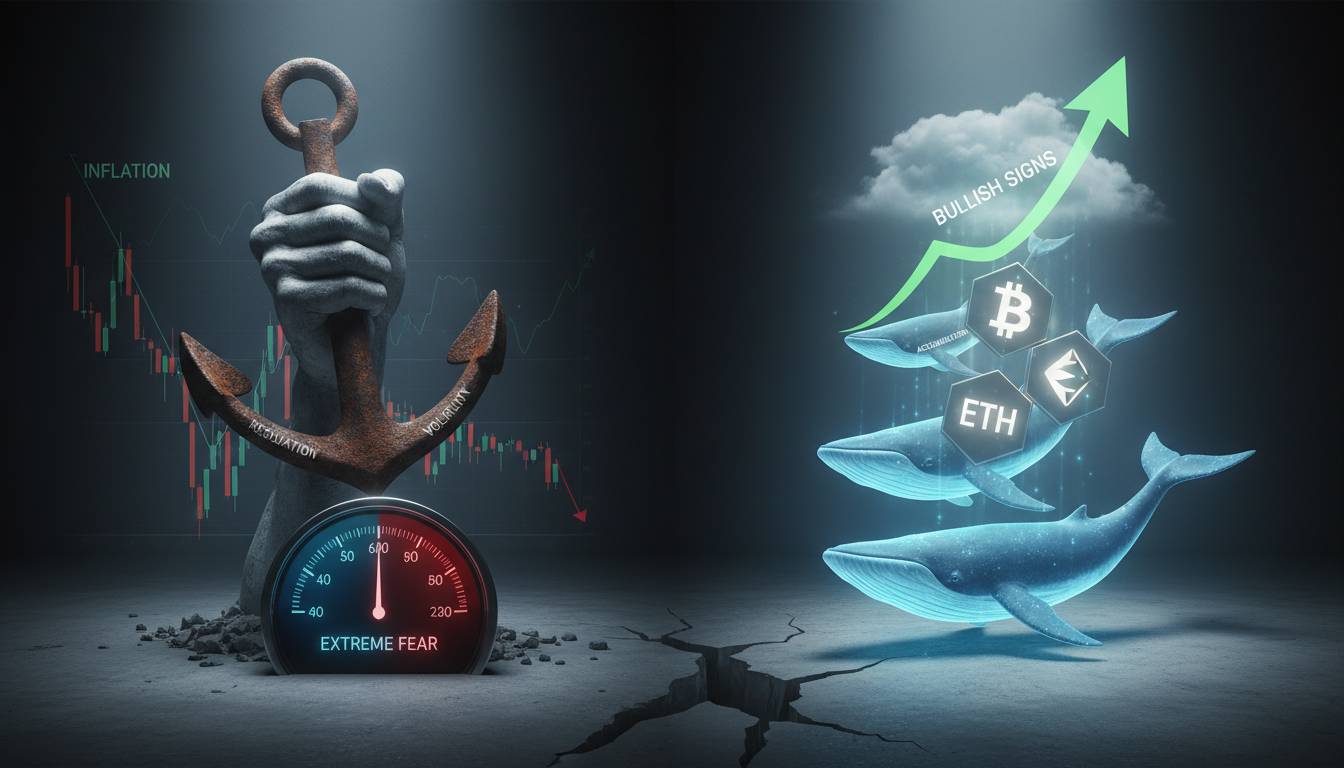
Crypto market sentiment has plunged into “extreme fear,” yet some metrics hint at bullish undertones lurking beneath the panic. The widely watched Crypto Fear & Greed Index is signaling deep worries among investors, even as analysts and on-chain indicators suggest potential stabilization. This divergence between emotional sentiment and technical context makes for a compelling snapshot of today’s crypto market.
Extreme Fear Defined: What’s Driving Panic?
Crypto sentiment has dipped to historically low levels. Alternative.me’s Crypto Fear & Greed Index shows a reading of just 9 as of February 13, 2026, indicating “extreme fear.” This is among the lowest seen in recent years, reflecting entrenched pessimism. Market commentators note that such a reading typically mirrors crash-like conditions, driven by macroeconomic stress, regulatory worries, and heavy liquidations.
Meanwhile, daily sentiment updates report only marginal improvement—with the index moving to 11 by February 11, 2026. That tiny uptick still leaves markets firmly in panic territory, with buyers largely passive.
The Bullish Signal amid Fear
Oddly enough, this pervasive fear may be framing a nascent bullish opportunity. Santiment, a crypto sentiment analytics platform, flags the “silver lining” in the extreme negativity flooding social media. Historically, when bearish commentary dominates, contrarian buying often triggers a rebound.
Matrixport’s sentiment model also identifies a potential bottoming signal. Their Bitcoin fear-and-greed metric is at an extreme low, yet they note that a reversal in the 21-day moving average may signal “durable bottoms.” However, they caution that further downside remains possible.
These interpretations reflect a broader pattern: when widespread dread grips the market, it occasionally signals the exhaustion of sellers and the foundations for rebound.
Context: Where Our Fear Fits in History
This wave of extreme fear is not entirely unprecedented—but it is notable. The current 9–11 reading parallels sentiment troughs seen during significant market stress in 2022 and late 2025. For instance, January 2026 saw the index fall to 24 amid a $120 billion drawdown triggered by tariff threats—ironically signaling a surprise retreat from greed just days before.
Last December, sentiment lingered in the extreme fear zone for over two weeks, even as Bitcoin hovered near $88,000—an all-time high compared to prior cycles. These sustained periods of panic often align with—or precede—local market bottoms, according to historical comparisons.
Why Fear Remains Dominant
Several key factors continue to sustain the current panic:
- Macroeconomic and regulatory uncertainty: Ongoing global instability continues to unsettle crypto investors.
- Liquidations and sell pressure: Reports indicate upward of $2.5 billion in crypto liquidations, feeding panic downward momentum.
- Whale selling and institutional caution: Historically stable holders are reducing exposure, adding selling pressure.
Amid these dynamics, even slight upticks in sentiment offer fleeting relief, illustrating how fragile investor optimism remains.
What’s Next: Market Watchpoints
Given the stark sentiment divide, here are key developments to monitor closely:
- Fear & Greed Index movements: Whether the index stabilizes above extreme fear or remains depressed will help signal whether sellers have capitulated.
- Sentiment models and technical indicators: Platforms like Matrixport that track reversals in moving averages and oversold thresholds may signal short-term inflection points.
- Macro and regulatory news: Any easing in geopolitical tensions or clarity from regulators could alleviate sentiment even before price shifts.
- On-chain accumulation trends: Rising activity among institutional or long-term holders, contrasted with waning retail involvement, could signal market depth ahead of rebounds.
Ultimately, the market’s next move depends on whether bearish sentiment persists or begins to show signs of exhaustion and contrarian capitulation.
This is a moment when fear dominates headlines, even if subtle indicators point to potential stabilization. For now, the market remains cautiously entrenched in “extreme fear,” but history shows those levels may precede a shift—if and when panic subsides.





















Leave a comment