


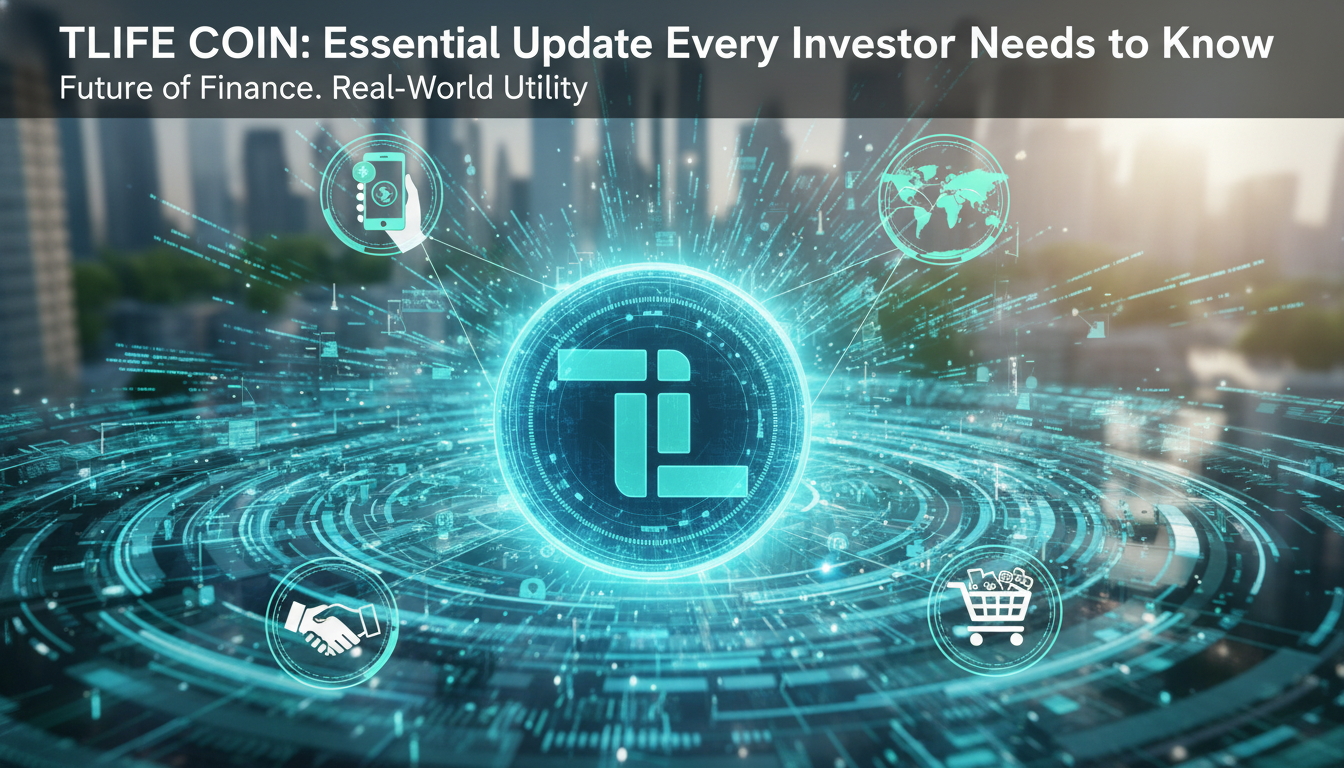
Tlife Coin has finally addressed a major investor concern by securing listings on LBank Exchange in September 2023 and Coinsbit in August 2023. This marks a key milestone in providing enhanced accessibility and liquidity for investors who’ve been waiting for these crucial developments.
A Milestone in Exchange Listings
LBank Exchange Debut
TLife Coin launched on the LBank platform, with trading for the TLIFE/USDT pair beginning at 08:00 UTC on September 23, 2023. Deposits opened a day earlier, and withdrawals followed the next day, creating a structured ramp-up for market entry.
This listing was a crucial first step, as LBank represents a relatively respected global exchange, offering increased discoverability beyond the nascent DEX environments TLife initially inhabited.
Coinsbit Exchange — Expanded Reach
Two weeks prior, TLife Coin secured another listing, this time on Coinsbit. Trading commenced on August 9, 2023, via the TLIFE/USDT pair.
Together, these listings suggest the team recognized the urgent need for liquidity and took steps to move from presale hype toward genuine market presence—finally giving investors real avenues for entry and exit.
Liquidity, Transparency, and Investor Concerns
Poor Transparency and Development Activity
Despite getting on exchanges, lingering investor wariness remains justified. Analysts at BTCC highlighted that TLife Coin exhibits virtually no verifiable trading volume or liquidity metrics, and its development appears stagnated with no public code updates since 2023.
Without clear usage metrics—like liquidity pools, active volume, or user history—investors remain in a murky space. Trading visibility on LBank and Coinsbit is a start, but it doesn’t necessarily mean healthy, sustainable demand.
Missing Whitepaper and Unknown Team
TLife Coin suffers from chronic opacity—no whitepaper, no transparent developer group, no roadmap with confirmed milestones, nor any partnered real-world projects.
When projects lack these fundamentals, meaningful valuation or confidence becomes nearly impossible, and the danger of pump-and-dump scenarios becomes a real risk.
Ecosystem Utility Still Hypothetical
TLife’s promotional materials tout ambitions like staking, NFTs, a metaverse presence, and even an island retreat for holders.
Unfortunately, independent reviews point out that these remain speculative—they exist mostly in whiteboard form, with little evidence of launch-ready applications or functioning platforms.
Weighing the Good Against the Uncertain
Pros
– Gaining real exchange listings gives investors practical exit routes and a semblance of legitimacy.
– The hard-capped supply (21 million tokens) and staking rewards remain structurally appealing to those attracted to scarcity models.
Cons
– Lack of transparent team, audits, or active development casts a long shadow.
– No meaningful data on liquidity or trading volume makes price discovery unreliable.
– Ambitious roadmap items appear more speculative than actionable, reducing confidence in completion.
Blockquote Insight
“Investing in projects with unidentified teams is comparable to purchasing lottery tickets blindfolded.”
— BTCC Research Team
This metaphor neatly captures the essence of the risk: without a reliable foundation or transparency, token gains may be no more than a fluke.
Final Thoughts
TLife Coin has taken vital steps to become tradable by securing listings on LBank and Coinsbit, which is exactly what many investors have been demanding. Yet critical gaps remain—transparency, functional utility, actual community adoption—that leave TLife firmly in speculative territory.
For risk-aware investors, TLife might offer short-term speculative upside. But for strategic, long-term-centric portfolios, tokens with strong developer ecosystems (like Ethereum or Solana), clear utility, and proven track records remain far more promising.
FAQs
Is TLife Coin now fully trustworthy for investors?
Not entirely. While exchange listings offer accessibility, trust still hinges on transparency, ongoing development, and verifiable adoption.
What does the supply structure look like?
The total supply is fixed at 21 million tokens, allocated across staking rewards, marketing, development, team, and treasury—60% goes to staking rewards.
Can I now easily buy or sell TLife Coin?
Yes, through Coinsbit and LBank. However, lack of deep liquidity may result in slippage or limited volume.
Does TLife have its promised ecosystem live yet?
No. Despite a long roadmap—staking platforms, NFT marketplace, metaverse—the current functionality remains largely hypothetical.
Have developers been active lately?
Not that public sources show. There have been no visible updates since around 2023, raising questions about current commitment.
Should I invest in TLife Coin now?
Proceed with extreme caution. Without operational transparency or ecosystem adoption, it remains a speculative asset better suited for highly risk-tolerant portfolios.















Leave a comment