



If you’re wondering where Ethereum (ETH) might go next, here’s the short scoop: ETH’s trajectory will likely be shaped by upcoming upgrades, broader crypto trends, investor sentiment, and macroeconomic pressure. Without fluff, note that the potential for upward movement is there, driven by network development and renewed adoption, but downside remains possible if regulatory or global risks intensify.
Market Forces and Recent Trends
Ethereum’s momentum today reflects both renewed optimism and lingering caution. Several developments stand out:
- Upcoming Protocol Improvements: Ethereum’s upcoming updates—such as enhancements to layer 2 scaling and proof-of-stake efficiency—could boost transaction speed and lower fees. That may improve user experience and attract activity.
- Institutional Interest: Despite the hype around Bitcoin ETFs, institutional interest in Ethereum—especially for staking and as a DeFi backbone—still holds weight. Renewed approvals or infrastructure rollouts could positively influence price.
- Macro Backdrop: With inflation pressures cooling in parts of the U.S. and Europe, risk assets like cryptocurrencies sometimes edge higher. But any surprises in central bank policy or geopolitical risk could trigger sell-offs.
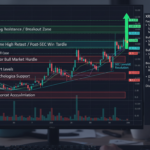
Beyond that, investor sentiment tends to ebb and flow with short-term charts. If ETH breaks certain resistance levels—say $3,500—it could lead to a bullish run. On the flip side, slipping below $2,800 might prompt selling. It’s a tightrope.
Network Upgrades and Their Impact
Ethereum’s development roadmap has always been central to its valuation. The move to proof-of-stake after The Merge was a big milestone. Now, developers are targeting further gains through:
Layer 2 and Rollups
Scaling solutions like Optimism and Arbitrum continue gaining traction. If those rollups see greater adoption or lower fees, it supports Ethereum indirectly. More activity can mean more staking rewards and positive narrative.
Sharding Timeline
Though full sharding hasn’t arrived yet, early steps toward efficient data storage could reduce costs further. Lower barriers to entry often mean more users and projects building on Ethereum.
Sustainability of Staking Rewards
Staking yields have normalized. If staking incentives remain palatable without excessive issuance, ETH’s deflationary aspects stay intact. That matters a lot to long-term holders.
Sentiment and Market Psychology
Human behavior always colors markets. So what’s working on sentiment right now?
- Bullish Indicators: News of Ethereum ETFs (if approved in any region) could create speculative buying. Strong developer engagement and community activism also matter.
- Bear Signals: Regulatory crackdowns, especially in the U.S., or a macro downturn could depress ETH sentiment. Also, if Bitcoin steals the spotlight again, Ethereum could lag in comparison.
As rounds of fear and greed play out, ETH tends to follow broader crypto cycles. Mood swings in markets—like a FOMO rally or risk-off retreat—can shift things quickly.
Real-World Use Cases Driving Demand
Ethereum remains the backbone for many DeFi and NFT ecosystems. That foundation isn’t going away.
- Decentralized Finance (DeFi): A lot of lending, borrowing, decentralized exchanges still operate primarily on Ethereum. Growth in lending platforms or real-world asset tokenization could drive demand.
- NFT and Web3 Activity: Renewed NFT interest—especially around art, gaming, or metaverse projects—often links back to ETH usage and value.
- Enterprise Adoption: Some businesses exploring blockchain for supply chains or digital identity still consider Ethereum as a trusted public chain.
These real-use scenarios may not boom overnight, but they anchor Ethereum’s long-term relevance and can boost sentiment when activity picks up.
Expert Insight
“Ethereum’s path forward hinges as much on technical progress as it does on macro climate. When upgrades align with broader sentiment, ETH tends to shine.”
That sums up the dynamic balance: progress plus mood matter.
Key Price Scenarios for ETH
Here’s a breakdown of plausible price scenarios in the near to mid-term:
| Scenario | Catalyst | Potential Price Direction |
|———————-|———————————-|——————————-|
| Bullish Rally | Network upgrades, ETF approvals | Surge above resistance (~$3.5k+) |
| Sideways Consolidation | Slow adoption, investor patience | Trading in $2.8k–$3.2k band |
| Bearish Pullback | Regulatory tightening, macro risk | Drop toward support (~$2.5k–$2.7k) |
While exact numbers are uncertain, those bands help frame possibilities without pretending to be precise forecasts.
Strategic Playbook for Investors
How might different players approach ETH from here?
Long-Term Holders
Focus on fundamentals. If upgrades materialize and staking grows, ETH’s scarcity narrative strengthens. Use dollar-cost averaging to weather fluctuations.
Traders
Watch technical levels. Breakouts above key resistances or bounce from supports could signal short-term opportunities. Stay alert to macro cues like inflation data or Fed speak.
Developers & Builders
Expanding building on layer 2s or interoperating with other ecosystems (e.g., cross-chain bridges) may signal increased utility. That often precedes network usage spikes.
Institutions
If Ethereum ETFs or regulatory clarity emerges, institutional allocations might expand. Track announcements and payouts around staking and custody solutions.
What to Watch Next
- Upgrade Milestones – Any delays or speed-ups in rollout could swing sentiment.
- Regulatory Signals – U.S. SEC comments, global rules on staking or token classification matter a lot.
- Macro Shifts – Inflation numbers, Federal Reserve decisions, global tensions can act as catalysts.
- Developer Activity – Github commits, projects launching on Ethereum or L2s can hint at real momentum.
Keeping tabs on these factors offers a clearer view of where ETH might head.
Smooth Summary
Ethereum’s next moves hinge on a tight interplay of tech progress, real-world use, investor psychology, and global conditions. Network upgrades and adoption offer a bullish tailwind. But macro shocks or legal risks could pull ETH back. Whether you’re a trader or long-term believer, staying updated and flexible matters more than fixed predictions.
FAQs
1. What could drive Ethereum’s price upward?
Scaling improvements and smoother staking incentives can boost efficiency and lower fees. That may attract users and support upward momentum in demand and price.
2. What risks could push ETH lower?
Main threats include regulatory crackdowns, macroeconomic stress, and any delays in network upgrades. These factors could depress sentiment and trigger selling.
3. How important are layer 2 platforms for Ethereum?
Layer 2s are vital—offering faster, cheaper transactions helps retain users and developers. Strong rollup adoption often correlates with healthier Ethereum usage and confidence.
4. Is a new Ethereum ETF realistic soon?
It’s uncertain. Some regions are exploring ETH-linked funds, and approval could spark speculative buying. That said, regulatory hurdles remain significant.
5. Should I stake ETH now or wait?
If you’re focused on long-term returns, staking now may offer yield while supporting the network. Short-term traders may wait for volatility or clearer upgrade steps.
6. What’s a good way to watch ETH’s trajectory?
Track technical levels, developer news, regulatory updates, and macro indicators. They give complementary clues about both sentiment and real engagement.
By staying attuned to Ethereum’s evolving technical landscape, market mood, and regulatory backdrop, you’ll be better equipped to anticipate where ETH could head next.
















Leave a comment