


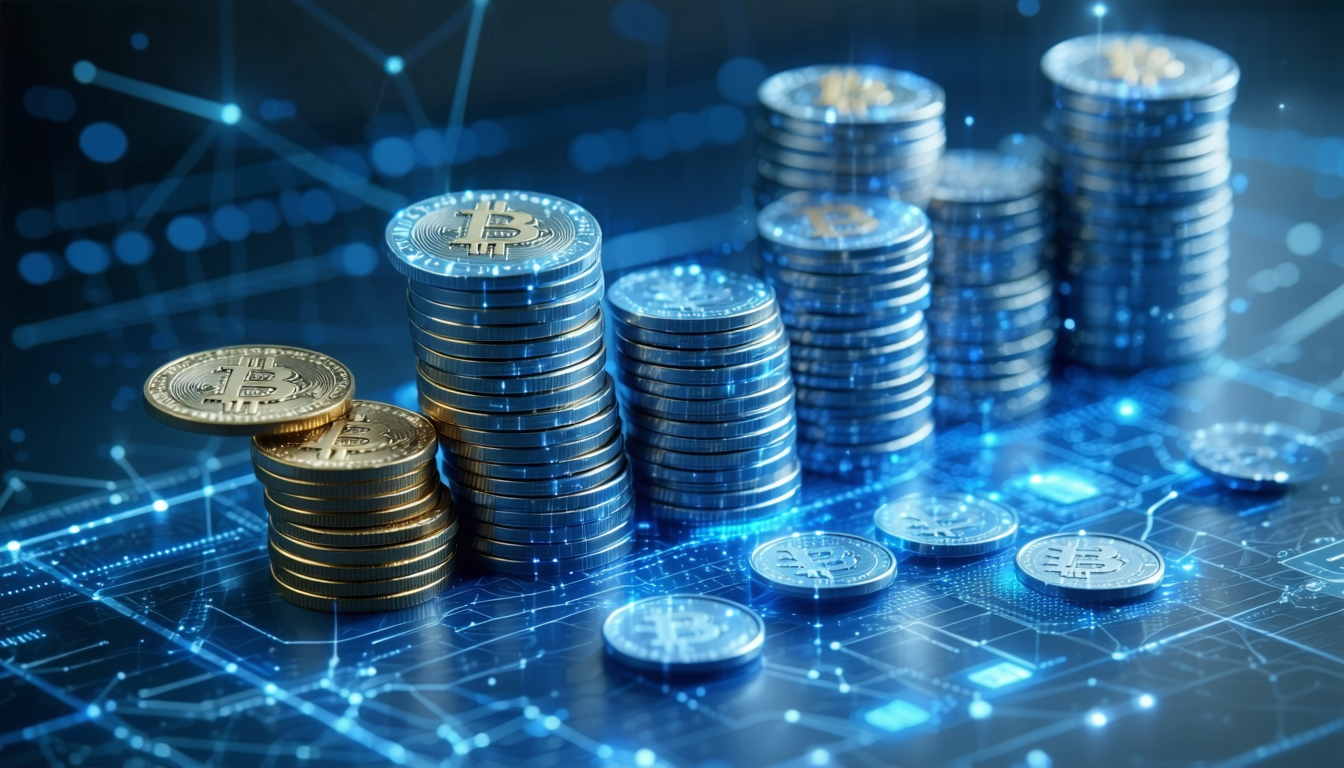
Digging into the world of cryptocurrency, the phrase “XRP Rich List” can feel a bit mysterious—like some hidden ledger keeping tabs on who’s hoarding what. But peek behind that veil, and you’ll find an intriguing snapshot of XRP’s economic landscape: top holders, distribution dynamics, wallet concentration, and yes, the ripple effects (pun intended) of control and influence. This article digs through the data, explores what it means in real terms, and maybe chatters a bit like you’d overhear between crypto nerds—because let’s face it, no one talks like a perfect robot.
Understanding the XRP Rich List
What the XRP Rich List Reveals
The XRP Rich List is, at its core, a ranking of addresses that hold the most XRP. It’s not as simple as naming names—XRP addresses don’t carry user identities—but the distribution patterns tell a story. Huge holdings often belong to exchanges, institutional wallets, or founders; smaller ones reveal retail-level activity.
Beyond just showing the top wallets, this list hints at potential market movers. If an address holding a significant portion of supply moves coins, folks pay attention. So, it’s not just numbers—it’s a lens into market psychology, liquidity, and sometimes speculation.
Wallet Concentration: Why It Matters
Imagine if a handful of folks held half your nation’s dollars—every policy shift or rumor would cause drama, right? In XRP’s case, wallet concentration isn’t extreme, but it’s noteworthy. A significant chunk is held by Ripple Labs itself, not surprising given they issued the token. Beyond that, large wallets—often exchanges—contain a meaningful slice, influencing price and volume trends.
This concentration doesn’t necessarily signal risk, but it invites scrutiny: who controls the levers? Are these holdings locked, or in rotation? Understanding distribution lays a groundwork to judge network health and resilience.
Distribution Breakdown: Patterns and Trends
Institutional vs. Retail Dominance
Delving deeper, you’ll see a classic tug-of-war: institutional versus retail holders. Institutions and exchanges own large volumes, typically more stable or strategic. Retail wallets, though fragmented, collectively add up. Their behavior tends to be more reactive, sometimes triggering volatility.
For instance, in times of hype or fear, retail wallets may swarm in or exit en masse, creating visible blips on the XRP price chart. On the other hand, institutional players often operate with longer timelines and bigger risk thresholds. That interplay keeps the market lively—that’s crypto for you.
Wallet Behavior: Hoarding vs. Spending
Some top wallets act like vaults—holding tight, rarely spending. Others are more dynamic, moving XRP to negotiate trades, service clients, or send liquidity across borders. Tracking these behaviors—like distinguishing between “active” and “dormant” whales—adds nuance to otherwise static top-holder rankings.
Here’s a mini real-world vignette: say Wallet A (an exchange) gets a deposit of millions of XRP, then shifts most of it to other addresses or uses it to fill trade orders. That’s active behavior. Wallet B, belonging to Ripple Labs, might be part of an escrow schedule—slowly releasing tokens over time. Those patterns feed into market narratives: is demand rising, or is supply being trickled?
Risks and Rewards in High-Holder Dynamics
The Double-Edged Sword of Concentration
Strong concentration among top wallets can create illiquidity—or at least perception thereof. If a chunk of XRP is sequestered, market participants assume less readily tradable supply, pushing prices higher when demand picks up. Conversely, if those wallets suddenly flood the market, sharp downward pressure can follow.
But here’s a twist: not all large holders behave the same. Some are locked, like escrowed tokens from Ripple Labs; others are agile, like exchange wallets servicing trades in real time. That diversity offers a sort of natural hedge against sudden swings—though not foolproof.
Governance, Influence, and Network Trust
Unlike traditional finance, where major shareholders wield voting power, XRP holders don’t vote on protocol rules. Yet their financial footprint still matters. Large holders can indirectly influence narratives, especially if they engage with media or community forums. And if they shift significant volumes, the ripple effect (sorry again) can shift sentiment quickly.
Networks without centralized governance components—like to some degree XRP—rely on market integrity and distribution transparency. So ensuring that large holders aren’t manipulatory is as much about perception as it is about mechanics.
Real-World Examples: Learning from Other Tokens
Bitcoin’s Whale Effects
Think back to Bitcoin surges where “whales”—addresses holding large BTC quantities—made headlines. When a whale starts transferring coins to an exchange, markets waver. XRP echoes some of that sentiment, albeit at different scales.
Consider this scenario: Bitcoin whales moving funds have triggered flash crashes or rallies. XRP’s situation is similar; watchers monitor big wallet movements and pace of escrow releases. These aren’t hype—these are market signals.
Ethereum’s Staked and Self-Custody Trends
Ethereum has seen growth in staking and self-custody—where users hold tokens rather than park them on exchanges. XRP exhibits parallel behaviors, with holders choosing to self-custody for long-term belief or placing assets on exchanges for trading access. This blend of approaches impacts liquidity, flow, and overall stability.
Seeing these parallels helps understand XRP’s distribution more holistically—not just as blockchain tech, but as a human ecosystem seeking convenience, safety, or strategic advantage.
Expert Insight on Distribution Implications
“Large holders shape the narrative even if they don’t cast a vote. In markets like XRP, when a whale moves, everyone watches—and reacts.”
That bit, attributed to a market analyst at a crypto think tank, underscores how psychology and behavior matter nearly as much as on-chain stats.
Implications for Retail and Institutional Stakeholders
For Retail Investors
Staying informed about the XRP Rich List can guide strategy. Spotting patterns—like repeated large transfers to exchanges—may hint at upcoming volatility. But sensibly, it’s better to treat these tools as signals, not gospel, blending technical analysis with broader fundamentals.
For Institutions
Brokers, custodians, or funds see the top-holder data differently. It informs liquidity planning, risk hedging, and market making. Knowing how much supply is locked versus active helps in designing trading algorithms or forecasting shifts in spreads and depth.
Conclusion
The XRP Rich List isn’t a static leaderboard—it’s a dynamic reflection of financial behavior, infrastructure usage, and trust. Top holders hold sway, but so do fragmented retail wallets. Distribution nuances—locked vs. liquid, retail vs. institutional—shape market dynamics in subtle yet powerful ways. For both casual observers and professionals, tracking these patterns offers a lens into XRP’s inner workings, bringing clarity to what might otherwise feel like a veiled, uncertain token economy.
FAQs
FAQs
What is the XRP Rich List?
It’s a ranking of XRP wallet addresses by their holdings, revealing the concentration of XRP across different entities like exchanges, Ripple Labs, and retail participants.
Why does wallet distribution matter?
Distribution affects liquidity, market sentiment, and potential volatility. Highly concentrated holdings may lead to sudden price movements if large wallets change behavior.
Can XRP Rich List identify individual holders?
Not directly. Wallet addresses are pseudonymous—while you can see balance and history, identities behind addresses remain undisclosed unless voluntarily revealed.
How often is the XRP Rich List updated?
It updates in real time according to blockchain data, but interpretation requires context—such as knowing which wallets are likely exchanges, institutions, or escrow accounts.
Should retail investors follow the XRP Rich List?
Yes, but cautiously. It can hint at market trends, but it’s one of many indicators. Pairing it with technical, news-based, and macroeconomic analysis yields a more balanced view.
Does a large wallet dumping XRP always cause price drops?
Not always—if the wallet is part of scheduled releases or internal transfers, impact may be limited. The market responds more to perceived intent and context than sheer movement volumes.















Leave a comment