


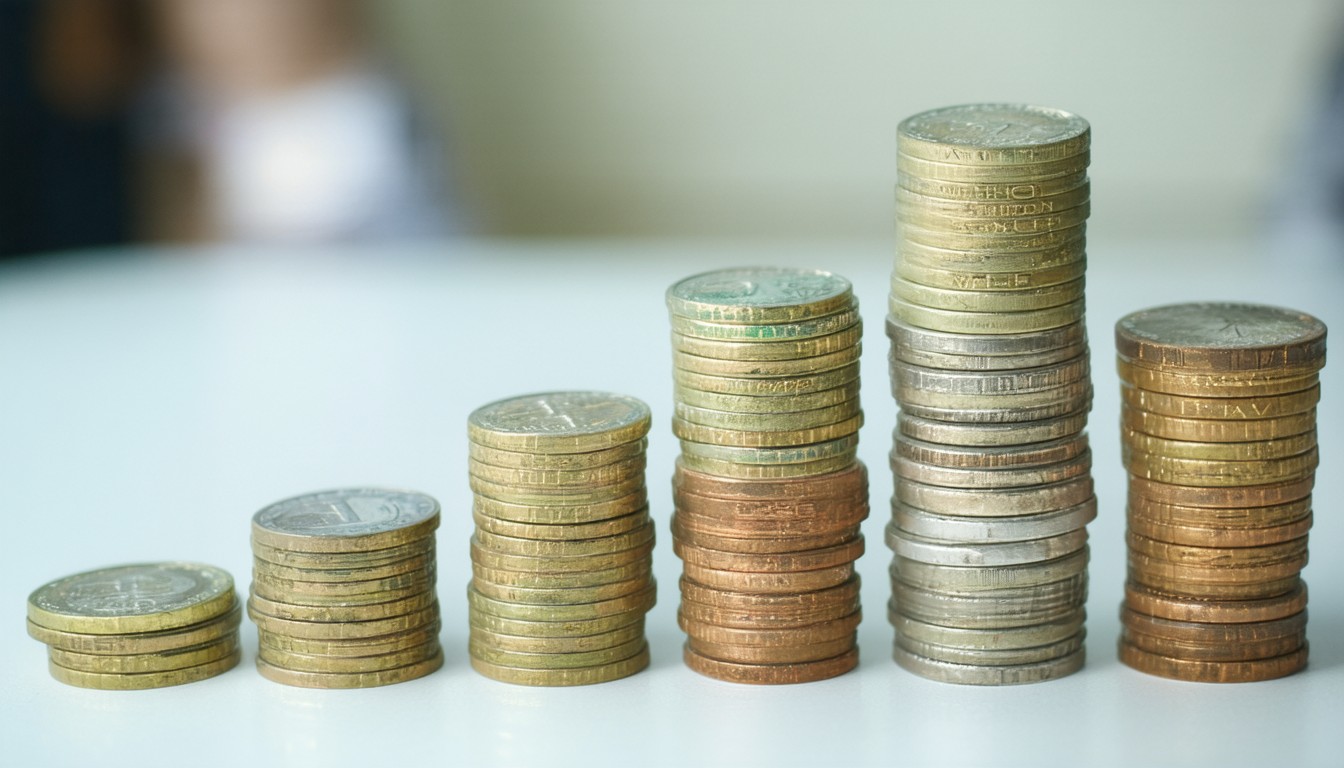
Inflation has long been a key barometer for U.S. economic health, influencing everything from monetary policy to household budgeting. In recent years, headline-grabbing inflation spikes have prompted robust debates among policymakers, business leaders, and everyday Americans. The driving forces behind these price increases—and their ripple effects—are varied and complex. To better understand U.S. inflation, it’s essential to examine its underlying causes, recent trends, and real-world impact on consumers, businesses, and the broader economy.
What Drives Inflation in the U.S.?
Inflation arises when the general price level of goods and services rises over time, eroding purchasing power. At its core, inflation is shaped by both demand-side and supply-side factors.
Demand-Pull and Cost-Push Dynamics
- Demand-pull inflation occurs when consumer demand outpaces supply, causing prices to climb.
- Cost-push inflation results from increased production costs—such as wages, energy, or raw materials—being passed on to consumers.
Periods of robust consumer spending, fueled by fiscal stimulus or strong labor markets, can ignite demand-pull price pressures. Conversely, shocks to supply chains or surges in commodity prices typically trigger cost-push inflation.
The Role of Monetary Policy and Expectations
The Federal Reserve, the nation’s central bank, significantly influences inflation via interest rates. Low borrowing costs encourage spending and investment but can also risk overheating the economy. High inflation expectations themselves can become self-fulfilling—employers preemptively boost wages, while consumers rush purchases before prices climb further.
Fed Chair Jerome Powell has noted:
“Inflation expectations play a critical role in actual inflation. If expectations become unanchored, returning inflation to target becomes much more difficult.”
This highlights the importance of both credible central bank policies and transparent communication.
Key Inflation Trends in Recent U.S. History
Inflation rates have fluctuated dramatically across decades. Each era offers insights into the structural and external forces that shape price dynamics.
Historical Overview and Post-2020 Surge
From the late 1970s to the early 1980s, the U.S. battled double-digit inflation, prompting aggressive interest rate hikes by then-Fed Chair Paul Volcker. The situation stabilized over the next three decades, with inflation holding near the Fed’s 2% target for much of the 21st century.
However, the COVID-19 pandemic dramatically altered the landscape. Disrupted global supply chains, record fiscal stimulus, and pent-up demand fueled a sharp rise in prices across sectors like housing, food, and energy. By mid-2022, inflation readings had reached levels not seen in four decades. Though recent data suggest moderating inflation, sticky price pressures persist in certain categories.
Sectors Most Affected
- Housing: Surging rents and home prices have been persistent inflation drivers.
- Energy: Volatile oil and gas prices—affected by geopolitical dynamics—filter through the economy.
- Groceries and consumer goods: Labor shortages, shipping bottlenecks, and higher input costs have raised prices at checkout.
Consequences of Inflation Across the U.S. Economy
Understanding who is most affected—and how—sheds valuable light on the societal and business consequences of rising prices.
Household Budgets and Real Wages
Inflation erodes the value of money, forcing families to reassess their spending priorities. Lower- and fixed-income households feel the greatest pinch, since staples like food and utilities comprise a higher share of their budgets.
Wage growth sometimes lags behind inflation, resulting in declining “real” wages even when paychecks nominally grow. Recent years have seen many Americans grappling with these dynamics, leading to changing habits such as trading down brands, seeking discounts, or delaying big-ticket purchases.
Impact on Businesses and Investment
Companies navigate inflation by adjusting pricing strategies, renegotiating supply contracts, or finding operational efficiencies. Some can pass higher costs to consumers, but others—especially small businesses—may find their margins squeezed. Meanwhile, unpredictable inflation complicates planning for major investments and long-term projects, sometimes leading to business retrenchment.
Market and Policy Reactions
Beyond individual actors, inflation shapes broader market and policy trends:
- The Federal Reserve responds by raising interest rates to cool demand.
- Investors shift portfolios to asset classes considered “inflation hedges,” like real estate or commodities.
- Persistent inflation can fuel political debates over fiscal policy, taxation, and redistribution.
Case Study: How U.S. Inflation Has Shaped Corporate Strategy
Consider the fast-moving consumer goods sector during the 2021–2022 inflation spike. Brands such as Procter & Gamble and General Mills raised prices multiple times in response to rising input and shipping costs. Some companies introduced “shrinkflation”—reducing package sizes while keeping prices steady. These strategies helped defend margins but sparked consumer pushback and increased media scrutiny.
Small businesses, lacking the pricing power of large corporations, often relied on local sourcing or trimmed offerings. As the CEO of a regional grocery chain commented at the height of supply chain turmoil:
“We’ve had to get creative with procurement and keep communication transparent with our customers. There’s only so much you can pass along before shoppers start looking elsewhere.”
This scenario underscores the tightrope many businesses walk during inflationary periods.
How Does Inflation Eventually Subside?
Inflation eventually cools when demand ebbs, supply constraints ease, or the central bank’s tightening takes effect.
The Importance of Policy Coordination
- Monetary policy: The Federal Reserve raises rates, slowing borrowing and spending.
- Fiscal policy: Congress may curb spending or adjust taxes to lessen excess demand.
- International coordination: Since commodity prices are often global, cooperation with trading partners can be pivotal.
Supply-side improvements—such as resolving shipping logjams or expanding domestic production—also play a role.
Risks and Tradeoffs
While aggressive rate hikes can reduce inflation, there’s the risk of tipping the economy into recession or raising unemployment. Policymakers must balance stabilizing prices with sustaining economic growth. Historically, “soft landings”—reducing inflation without sparking a downturn—have proven difficult but not impossible.
Concluding Thoughts
U.S. inflation remains a defining economic issue, affecting everything from interest rates and investment decisions to the cost of groceries for working families. Its causes are multifaceted, ranging from demand surges and supply shocks to monetary missteps and shifting expectations. The past few years have demonstrated both the vulnerabilities and resilience of the American economy—while inflation has brought new challenges, coordinated policy responses and adaptive business strategies offer pathways toward stability. As the landscape evolves, vigilance and flexibility will be critical for households, businesses, and policymakers alike.
FAQs
What is the main cause of U.S. inflation right now?
Current inflation is largely driven by a combination of strong consumer demand, lingering supply chain issues, and global energy price volatility. The aftereffects of pandemic-era stimulus and tight labor markets have also played a role.
How does the Federal Reserve fight inflation?
The Federal Reserve raises interest rates to curb excess demand and slow price increases. By making borrowing more expensive, the Fed aims to temper spending and investment.
Who suffers most during high inflation?
Low- and fixed-income households are usually most affected, since necessities like food and housing make up a bigger share of their budgets. Small businesses may also struggle if they can’t pass rising costs on to customers.
What investments perform well during inflation?
Assets like real estate, commodities, and inflation-indexed bonds often perform better when inflation is high. However, all investments carry risk, and past performance does not guarantee future results.
How long does it typically take for high inflation to return to normal?
It varies. Inflation can subside within a year with effective policy action and improved supply chains, but persistent shocks or entrenched expectations can extend the adjustment period.
Can inflation be good for the economy?
Moderate inflation can encourage spending and investment, but when it accelerates too quickly, it undermines purchasing power and economic stability. The challenge is finding the right balance.
















Leave a comment