


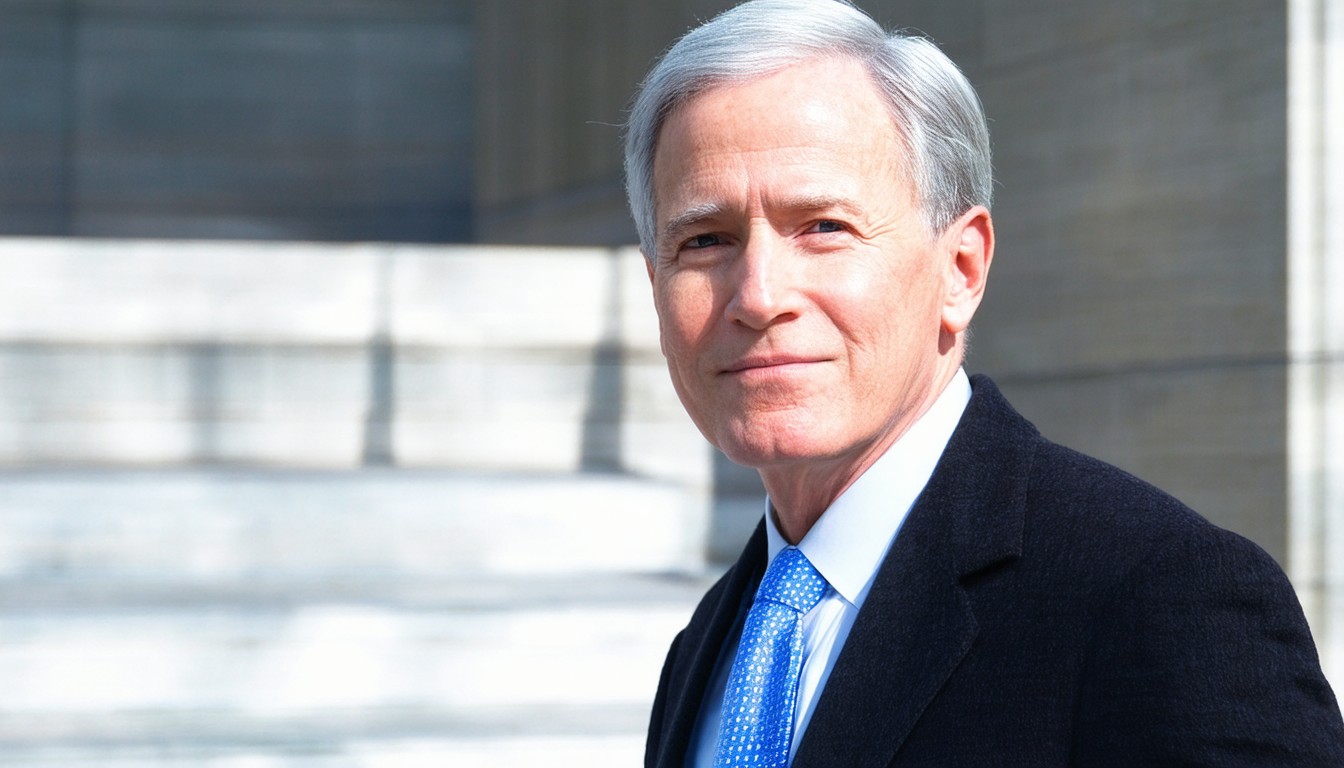
When a new Federal Reserve Chair takes the helm, markets, policymakers, and everyday Americans watch closely. The individual selected for this high-stakes role will steer monetary policy for the world’s largest economy. Their approach to inflation, employment, and financial stability can ripple across global markets and directly shape household finances in the United States. With the latest appointment announced, the question now becomes: what will this leadership transition mean for the economic trajectory of the U.S.?
Understanding the Fed Chair’s Influence
No single role wields more day-to-day influence over the U.S. economy than the Federal Reserve Chair. This position oversees America’s central bank, which has three core mandates: managing inflation, supporting maximum employment, and fostering long-term interest rate stability. The Chair also serves as the public face of U.S. monetary policy, influencing not only domestic markets but also international economic sentiment.
Historically, Fed chairs have responded to a spectrum of economic challenges—from stagflation in the late 1970s to the Great Recession and the pandemic-induced shocks of recent years. Their decisions set the tone for borrowing costs, consumer spending, and even asset valuations globally.
“The Fed Chair is not just a technocrat; they’re a signal to markets about how the U.S. will navigate uncertainty and growth ahead,” notes Dr. Melissa Feldman, economics professor at Columbia University.
Priorities for the New Fed Chair
Balancing Inflation and Growth
Today’s economic context brings a unique set of challenges. Following several years of stimulus and pandemic recovery, inflation has become a major concern for both Wall Street and Main Street. While recent data suggest some easing of upward price pressures, inflation remains stubbornly above the Federal Reserve’s long-term target of 2%. This makes the Chair’s policy trajectory a matter of intense scrutiny.
Concurrently, GDP growth has been uneven. Sectors like technology and energy are fueling expansion, while others struggle under the weight of high interest rates. Striking the right balance—controlling inflation without curbing job creation or consumer confidence—requires nuanced decision-making and clear communication.
Interest Rates: Signals and Strategy
One of the first signals the new Chair will send is their stance on interest rates. The previous cycle of aggressive rate hikes successfully cooled parts of the overheated economy, but higher borrowing costs also slowed housing activity and business investment. As of the appointment, analysts are divided: some call for a “pause and assess” approach, while others urge a cautious pivot toward rate cuts if economic data falters.
Financial Stability and Market Communication
Beyond inflation and rates, the Fed Chair must maintain trust in the financial system. Recent regional bank failures and ongoing global uncertainty have kept risk management in sharp focus. How the new Chair communicates during crisis—much like Ben Bernanke during 2008 or Jerome Powell in the pandemic—will shape both investor behavior and public sentiment.
Potential Impact on Businesses and Consumers
Housing, Mortgages, and Lending
The direct impact of Fed policy is felt most keenly in housing and credit markets. Through its regulation of short-term interest rates, the Federal Reserve influences mortgage rates, loan affordability, and ultimately, home sales nationwide.
Should the new Chair signal a continued tightening stance, Americans may see persistently high mortgage rates, dampening demand. On the other hand, a move toward lower rates could unlock pent-up homebuying by reducing monthly payments. Small business lending and credit card rates will also adjust in step with the Fed’s decisions, shaping consumer and business spending plans.
Labor Market Dynamics
Employment is another focal point. The U.S. labor market has been remarkably resilient, with low unemployment rates even amid economic turbulence. Aggressive rate hikes could eventually slow hiring or lead to layoffs, particularly in rate-sensitive sectors like construction or manufacturing. However, a steady hand might extend the current expansion, supporting robust job growth in services and technology.
Investment, Markets, and Economic Sentiment
Stocks, bonds, and global capital all respond to Fed leadership. Markets often “price in” expectations about the Chair’s policy leanings—hawkish or dovish. Sudden shifts in tone or policy can trigger volatility. Investors will be watching upcoming press conferences, minutes, and testimonies for clues on the Chair’s forward guidance, especially regarding inflation targets and economic projections.
The Fed Chair’s Legacy: Learning from Predecessors
Every new appointment is measured against notable past leaders. Paul Volcker’s aggressive early 1980s’ rate hikes put an end to runaway inflation, though at the cost of a sharp recession. Alan Greenspan’s tenure saw unprecedented growth, but also the buildup of systemic risks. More recently, Janet Yellen and Jerome Powell navigated crises with transparency and regular communication, helping stabilize markets in uncertain times.
The ability to learn from these experiences while adapting to today’s challenges is essential. Market credibility, strategic foresight, and expertise have become the hallmarks of successful Fed chairs.
Signals to Watch in the Coming Months
Several indicators will offer insight into the new Chair’s early performance and impact:
- FOMC Meeting Announcements: Any shift in tone or guidance on rate policy will be closely parsed.
- Economic Data Releases: Markets will respond to inflation, jobs, and GDP data in light of new Fed leadership.
- Global Coordination: The U.S. does not operate in a vacuum. How the Chair engages with global central banks—especially the European Central Bank and Bank of Japan—will influence currency markets and international investment.
- Market Reactions: Initial volatility is likely as investors adjust to new leadership. Watch for major shifts in equity, bond, and housing markets.
Conclusion: Anticipating the Fed’s Direction
With a new Fed Chair installed, the landscape of U.S. monetary policy is set for potential recalibration. While history shows the challenges are significant, so too are the opportunities for fostering balanced growth and financial stability. As the policy path unfolds, clear communication and steady leadership will be critical for both investor confidence and the broader health of the economy.
FAQs
What is the main role of the Federal Reserve Chair?
The Federal Reserve Chair oversees U.S. monetary policy, working to manage inflation, support maximum employment, and maintain financial system stability. This role also involves communicating policy direction to both domestic and global audiences.
How does a new Fed Chair affect interest rates?
A new Chair may shift the central bank’s approach to setting interest rates, which impacts borrowing costs for mortgages, car loans, and business credit. Markets watch early statements and decisions closely for signs of potential rate changes.
Will the economic outlook change with the new Fed Chair?
While the overall framework remains consistent, leadership style and policy emphasis can influence growth prospects, inflation handling, and market sentiment. Historical precedent shows that even small shifts in guidance can have outsized effects.
How soon might we see changes to monetary policy?
The pace of change depends on economic conditions and the Chair’s risk tolerance. Immediate policy shifts are less common; usually, the new Chair assesses data and consults with other policymakers before making significant changes.
What does this mean for regular consumers?
The Fed Chair’s decisions affect interest rates, loan availability, and inflation, all of which have a direct impact on day-to-day life—from monthly mortgage payments to job stability and purchasing power.






















Leave a comment