


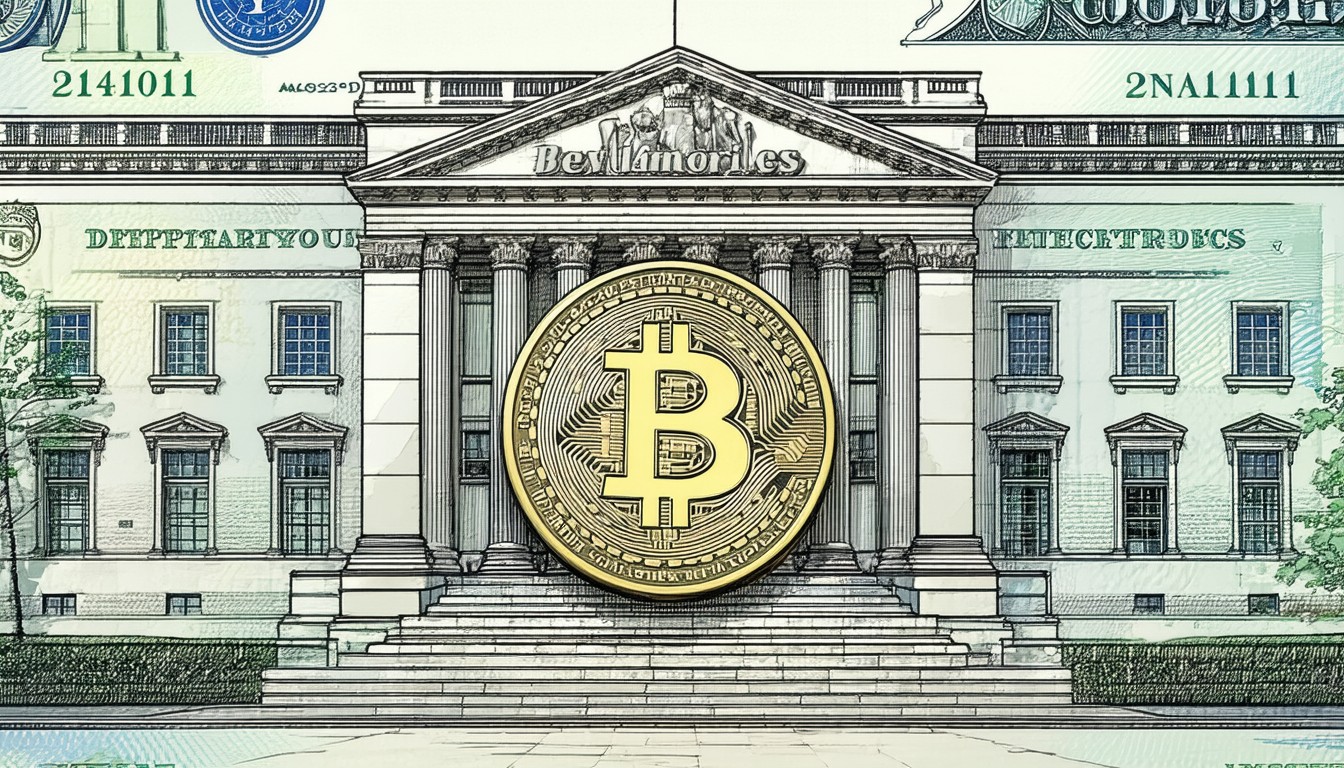
Cryptocurrencies have long captured global attention, oscillating between innovation and uncertainty. In 2024, crypto regulation news has become one of the tech sector’s most-watched categories, as lawmakers and industry players wrestle with digital assets’ massive—yet risky—potential. Whether examining Bitcoin’s record-breaking swings or the proliferation of decentralized finance (DeFi) platforms, regulation remains the critical lens through which governments, investors, and everyday users judge legitimacy, safety, and future economic impact.
Recent years have seen major regulatory milestones, geopolitical moves, and heated debates that continue to reshape the cryptocurrency landscape. Understanding the latest updates on cryptocurrency laws is essential not only for compliance but also for adapting to a volatile market environment.
Global Developments in Cryptocurrency Laws
The evolution of crypto regulation is a story of contrasts: proactive frameworks in some countries, strict crackdowns in others, and ongoing ambiguity across the rest. This section breaks down recent headline movements in key jurisdictions.
United States: Increasing Scrutiny, Slow Progress
The U.S. regulatory landscape remains fragmented, with agencies like the Securities and Exchange Commission (SEC) and Commodity Futures Trading Commission (CFTC) sometimes pulling in different directions. Court decisions in 2023, including high-profile cases involving leading exchanges, have forced clarification on what constitutes a security in the crypto world.
A bipartisan bill, known as the Financial Innovation and Technology for the 21st Century Act, has reignited debate in Congress, yet clarity remains elusive. Meanwhile, enforcement actions have ramped up, especially against platforms that facilitate unregistered securities trading or lack robust anti-money laundering measures.
“The absence of clear federal guidelines continues to challenge both innovation and investor protection. It’s vital for stakeholders to stay vigilant,” notes blockchain policy analyst Rachel Lewis.
European Union: MiCA Ushers in Standardization
In contrast, the European Union forged ahead with the Markets in Crypto-Assets (MiCA) regulation, setting a new global benchmark. MiCA, which comes into effect in phases through 2024 and 2025, aims to harmonize rules across member states, defining clear requirements for stablecoins, crypto asset service providers (CASPs), and consumer protection mandates.
Industry observers see MiCA as a template for other regions. Its licensing system and reserve requirements promise improved transparency and security, appealing to mainstream financial institutions seeking exposure to digital assets.
Asia-Pacific: Diverse Approaches, Rapid Growth
Asia-Pacific nations display a spectrum of regulatory philosophies:
- Japan upholds rigorous standards, mandating registration and capital requirements for exchanges, which has given investors a measure of confidence in market integrity.
- Singapore continues to attract crypto innovators through its comparatively flexible Payment Services Act, while expanding anti-money laundering scrutiny and restricting access for retail investors to high-risk products.
- China, on the other hand, maintains a complete ban on crypto trading and mining, citing concerns about financial stability and capital flight.
India exemplifies the region’s uncertainty, floating tax changes and considering a central bank digital currency (CBDC), while still lacking comprehensive legislation.
Key Regulatory Themes and Industry Impact
Zooming out, several enduring themes and real-world implications emerge across recent crypto regulation news.
Clearer Definitions—and Lingering Gray Areas
A recurring challenge is categorizing crypto assets: Are some coins commodities, securities, or something entirely new? The U.S. “Hinman Test,” MiCA definitions, and Australia’s evolving taxonomy all illustrate incremental, but incomplete, progress. This definitional gray zone influences not only which agencies have oversight but also industry funding, product launches, and legal compliance strategies.
Consumer Protection and Anti-Fraud Measures
The collapse of several exchanges in recent years, notably FTX, has fueled calls for strict consumer safeguards, custodial standards, and transparency in reserve management. Regulators now focus intensely on disclosures, cybersecurity controls, and operational resilience.
Stablecoins and CBDCs: Frontier of Monetary Policy
Stablecoins—crypto tokens pegged to traditional currencies—have become flashpoints in regulation. While MiCA enforces reserve requirements, U.S. regulators weigh potential frameworks to address systemic risks. At the same time, central banks worldwide are piloting or launching digital currencies, as seen with China’s digital yuan and pilot projects in the eurozone.
“Regulators recognize both the systemic promise and potential threats posed by stablecoins. Their treatment will shape the future of payments and cross-border transfers,” according to fintech professor Laura Kim.
Compliance Challenges and Opportunities
Staying ahead of regulatory shifts is now a core operational challenge for crypto projects and exchanges.
Navigating Cross-Border Complexity
For global platforms, reconciling different—and sometimes conflicting—regulations can be a labyrinthine exercise. Exchanges often resort to geo-blocking users or forming regional subsidiaries to align with local laws. Meanwhile, “travel rule” requirements for tracking and reporting crypto transfers above certain thresholds have increased reporting burdens worldwide.
Technology’s Role in Compliance
The RegTech sector is booming as firms seek automated anti-money laundering (AML) screening, transaction monitoring, and identity verification. For example, platforms that deploy advanced blockchain analytics now help flag suspicious activity in real time, assisting compliance teams in keeping pace with changing rules.
Strategic Shifts for Industry Players
Faced with aggressive enforcement, some crypto projects are shifting focus to decentralized, open-source models less exposed to regulatory liabilities. Others are lobbying policymakers or pursuing proactive licensing to cement their legitimacy. For institutional investors, regulatory clarity remains a prerequisite for larger commitments to digital assets.
The Road Ahead: Emerging Trends and Future Scenarios
Looking forward, several trends are likely to dominate crypto regulation news.
Toward Global Standards—Or More Fragmentation?
While frameworks like MiCA inspire cross-border harmonization, deep regional differences endure. Initiatives at the International Organization of Securities Commissions (IOSCO) and the Financial Action Task Force (FATF) may eventually bridge some gaps, but inconsistent enforcement and political interests complicate a truly unified approach.
Evolving Enforcement and Policy Focus
Expect more granular scrutiny on decentralized finance (DeFi), non-fungible tokens (NFTs), and privacy coins as these segments grow in popularity. At the same time, advances in compliance technology and increased regulatory engagement with industry leaders suggest the inevitability of further policy evolution.
“The next phase of crypto regulation will test the sector’s adaptability. Stakeholders must collaborate to balance innovation with consumer and systemic safeguards,” says digital asset legal strategist Daniel Moore.
Conclusion: Staying Informed and Adaptive in a Regulatory Hotspot
Crypto regulation remains one of the sector’s most dynamic and consequential fronts. As jurisdictions adopt new frameworks or step up enforcement, industry actors—from investors to developers—must prioritize staying informed, maintaining robust compliance protocols, and engaging constructively with policymakers. Whether the next regulatory wave brings clarity or further complexity, adaptability will remain the decisive competitive advantage.
FAQs
What are the latest global trends in crypto regulation?
The leading trends include the push for standardized frameworks like the EU’s MiCA, increased enforcement in the U.S., and a wide range of approaches across Asia-Pacific, from innovation-friendly Singapore to restrictive China.
How does the MiCA framework affect cryptocurrency companies?
MiCA imposes harmonized requirements for disclosure, licensing, and reserve management, aiming to boost consumer trust and make it easier for crypto businesses to operate across EU member states.
Why is there still so much uncertainty in U.S. crypto law?
Overlapping jurisdiction among agencies and slow legislative progress mean definitions and enforcement priorities can shift, creating persistent legal ambiguity for projects and investors.
How are stablecoins being regulated differently from other cryptocurrencies?
Stablecoins attract heightened scrutiny because of their ties to the traditional financial system, prompting measures such as reserve requirements, transparency mandates, and disclosure rules in various jurisdictions.
What are the compliance challenges facing crypto exchanges today?
Exchanges contend with complex, often inconsistent regulations across markets, including strict anti-money laundering rules, reporting obligations, and registration requirements that can differ by country.
Will there be global harmonization of crypto laws soon?
While some progress is being made through international organizations, significant regional differences and political interests mean full harmonization is unlikely in the short term.






















Leave a comment